Donald Trump is facing a humiliating series of setbacks, even though he refuses to admit them.
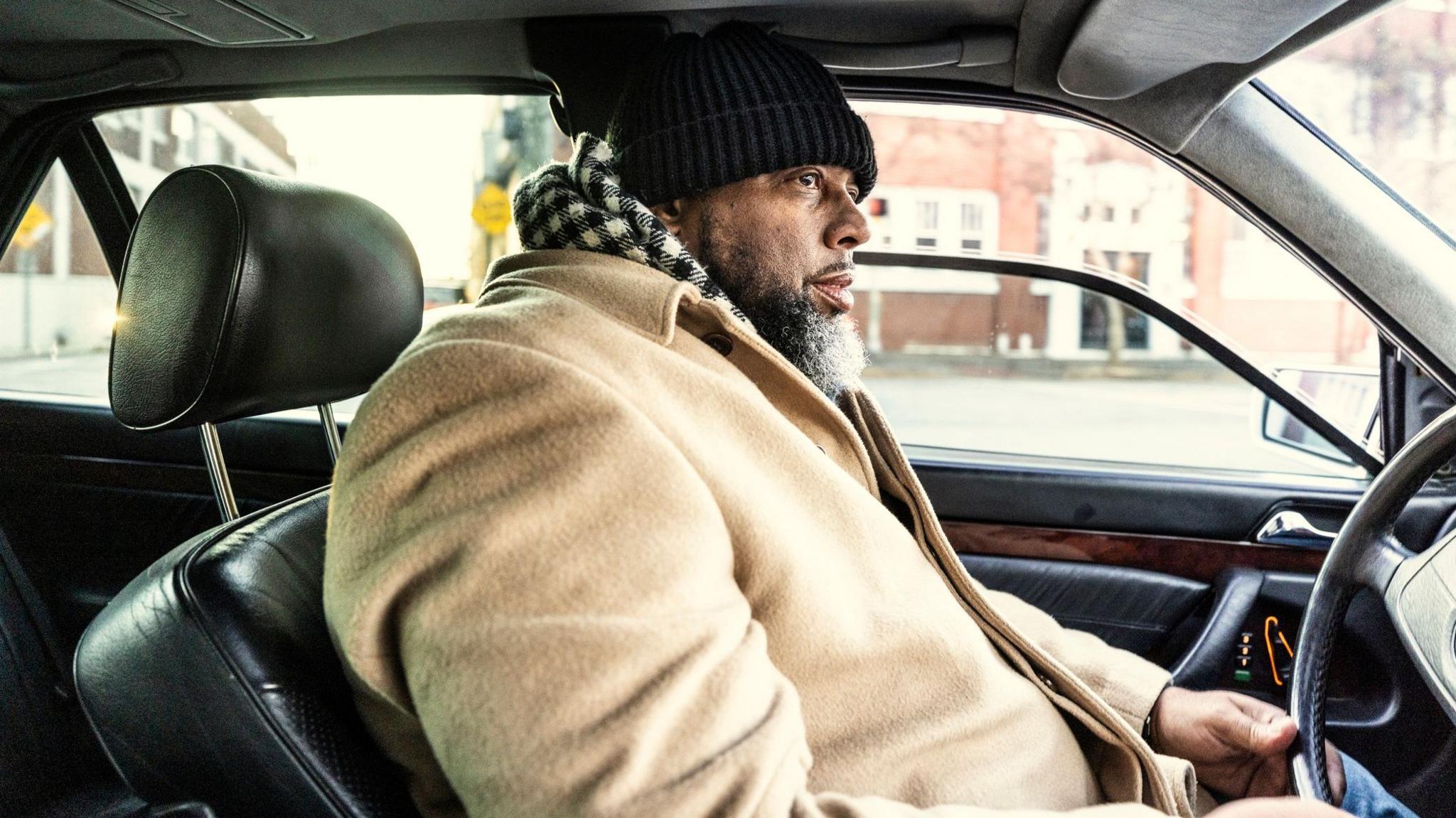
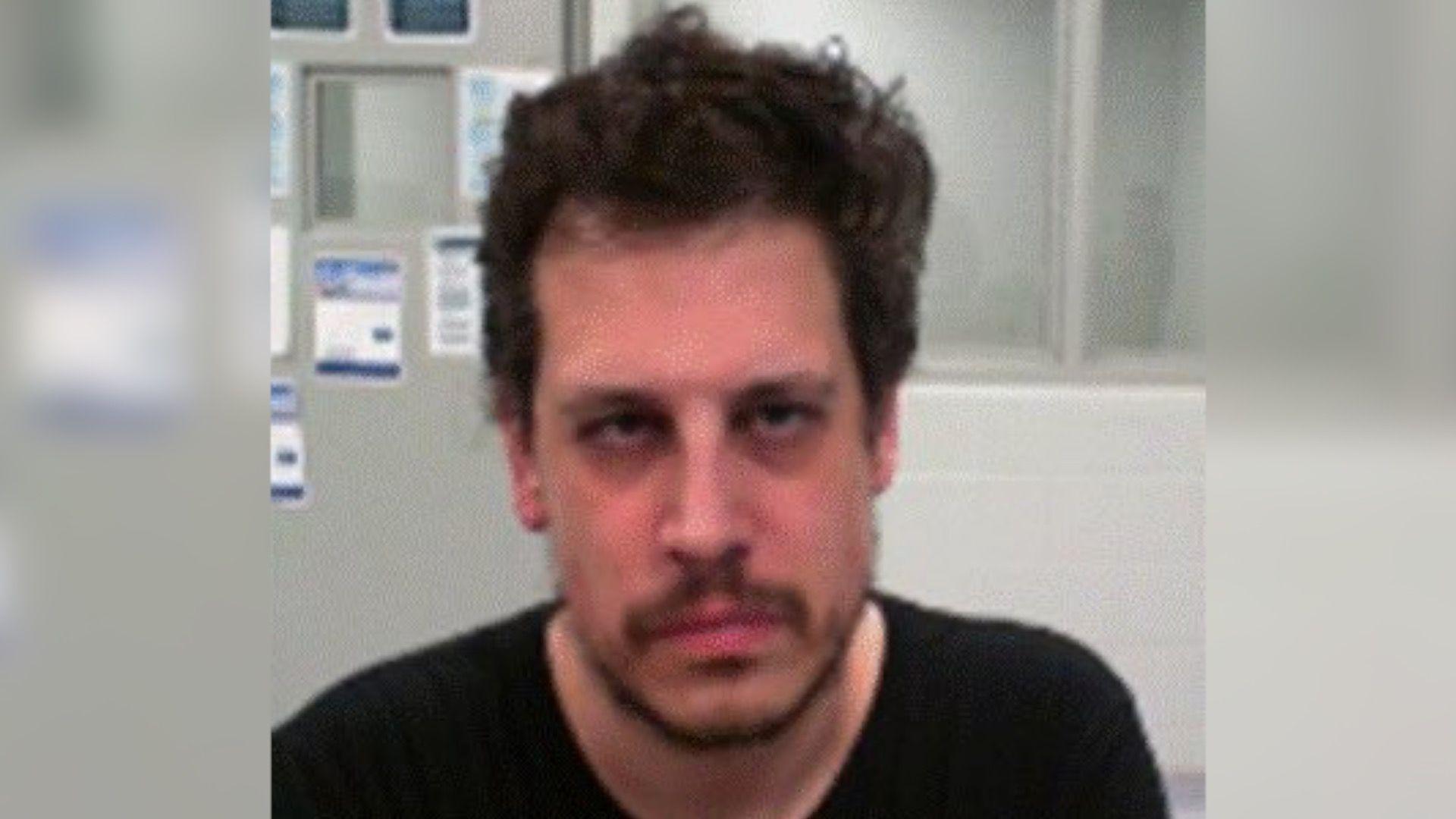
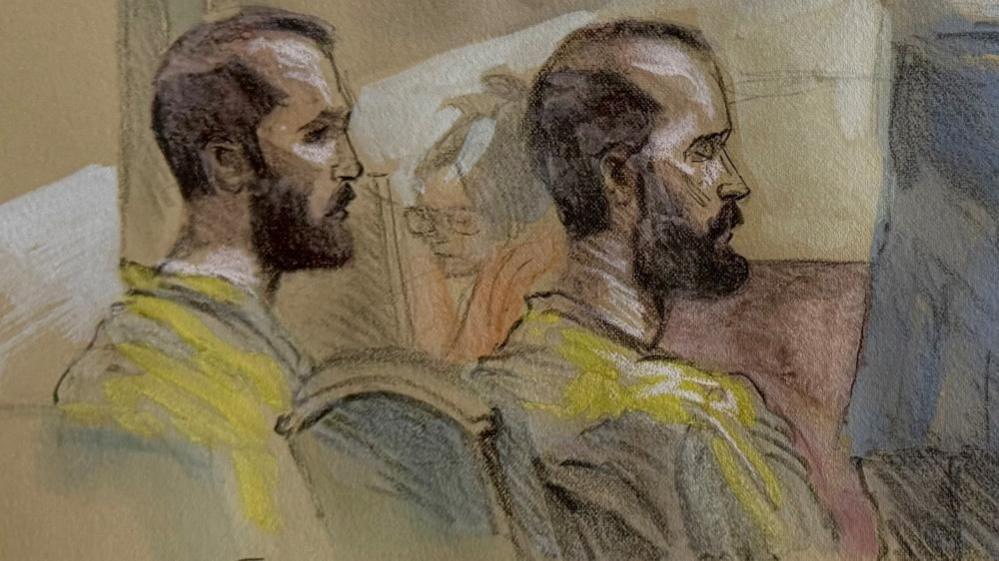
In a high‑profile case, U.S. Attorney Jeanine Pirro—an outspoken ally—discontinued felony charges against former Olympic swimmer David Hearn, who was accused of damaging the Reflecting Pool near the Washington Monument. The prosecutor wrote that the damage was a botched repair, not vandalism, and that the case should be dropped because the Department of Interior had provided misleading information. Trump called the prosecutor “folded like an umbrella” and still insisted the damage was a result of misfortune, not intentional harm.
Another ally, former defence lawyer Todd Blanche, faced a Senate blockade over his proposed $1.8 billion fund that would reimburse people who claimed to have been targeted by political prosecutions. Two Republican senators, John Cornyn and Thom Tillis, joined Democrats in demanding Blanche formally renounce the plan. He withdrew the proposal, released letters appeasing the senators, yet Trump tweeted that he would continue to push for the fund’s passage.
The Reflecting Pool episode and the fund dispute are minor issues to the public, but the larger drama centers on Trump’s war with Iran. He called an “attempted attack” that he claims would have been the biggest attack since World War II, only for Iranian officials to deny any new negotiations and claim deceit. Trump’s narrative of Iranian duplicity has intensified as polls show his approval hovering around 33 %—low even compared to his post‑Capitol riot scores.
With the mid‑term elections in three months, Trump’s political future hangs on his ability to navigate these setbacks. The former president’s style—refusing to confront the facts and railing against allies—could turn the court‑ and public‑defeats into a larger electoral liability.
For more context on the Reflecting Pool scandal visit Reflecting Pool vandalism case or read about Todd Blanche’s nomination stumbling on the Senate withdrawal drama.