In brief
Iceland’s national referendum on whether to resume EU membership talks is down to wiring as counting continues. The first 153,197 votes show 50.1% against the proposal and 49.9% in favour, a difference of only 435 votes. Prime Minister Kristrún Frostadóttir’s centre‑left government held the vote early due to international tensions, but the debate centred on protecting fishing interests rather than security concerns. The outcome will decide whether the country moves toward a full accession or keeps the possibility of future talks open.
Iceland's closely fought referendum on whether to resume membership talks with the European Union is going down to wire, with the result too close to call.
Based on the first 153,197 votes counted of the 270,000 voters eligible, 50.1% rejected the government's proposal, while 49.9% said yes, with only 435 votes separating them.
Prime Minister Kristrún Frostadóttir's centre‑left government promised a referendum by 2027 but brought it forward because of international tensions, including US President Donald Trump's threats against Greenland.
Debate in the island nation of almost 400,000 people centred more on its fishing industry than on security concerns.
Already part of the EU's single market and Schengen border‑free zone, EU membership would bring Iceland into the customs union and eventually the euro.
Iceland began its application to join the EU in 2009 following the 2008 financial crisis and the collapse of its banking system.
Its application was advanced when a eurosceptic government came to power in 2013 and put talks on hold, with fishing rights as the biggest obstacle.
Fish and marine industries account for almost 40% of Iceland's exports, and many voters feared ceding control of lucrative fishing grounds under the EU's common fisheries policy.
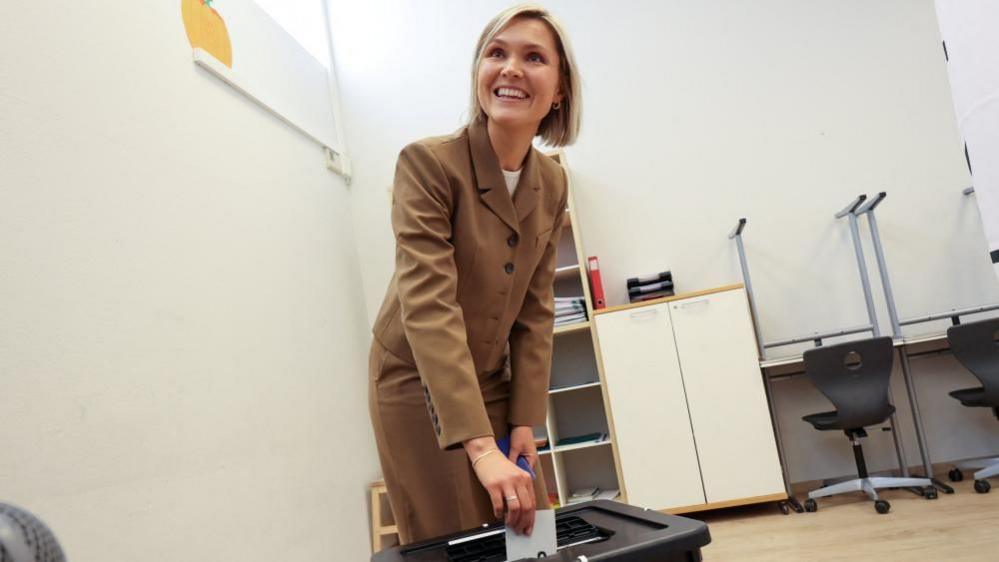
The referendum campaign sparked debate about Iceland's place in the world, Frostadóttir said after casting her ballot in the capital.
"This is a great day, we've been waiting for this for years to be able to have a vote," Frostadóttir said, adding that her government would continue its work regardless of the outcome.
The ballot question was: "Should Iceland resume accession negotiations with the European Union?"
A Yes vote would not be a final decision on joining the EU, but a move toward an accession agreement that would need approval by a second referendum.
An equally, a No vote would not rule out the chance of Iceland resuming talks in the future.
While economic issues dominated the campaigns, security concerns also featured. Iceland is a founder member of NATO but has no military and relies on its allies for defence.
The country has backed Ukraine during Russia's full‑scale invasion and officials have been alarmed by Russia's increased maritime manoeuvres near the island.
Trump's expressed interest in taking over Greenland has also raised concerns.