In brief
In a September 2026 referendum, Icelanders voted 52.8% to reject the government's proposal to restart European Union accession talks, a 12,600‑vote margin executed by an 82.5% turnout. The campaign centred on issues of fishing rights and national sovereignty, with Prime Minister Kristrún Frostadóttir stating the decision would stand until a future referendum could revisit the issue. Though Iceland already participates in the EU single market and Schengen area, a complete membership would require the customs union and euro adoption. EU officials see the result as a setback, while eurosceptic leaders from Europe praised Iceland’s commitment to independence.
Iceland’s electorate voted against the government’s proposal to resume discussions on joining the European Union.
The referendum held on 27 August 2026 saw 52.8% of more than 225,000 voters opting for a "No," while 47.2% supported the initiative. The margin was 12,600 votes, and the turnout reached 82.5%—the highest in any Icelandic election since 2009.
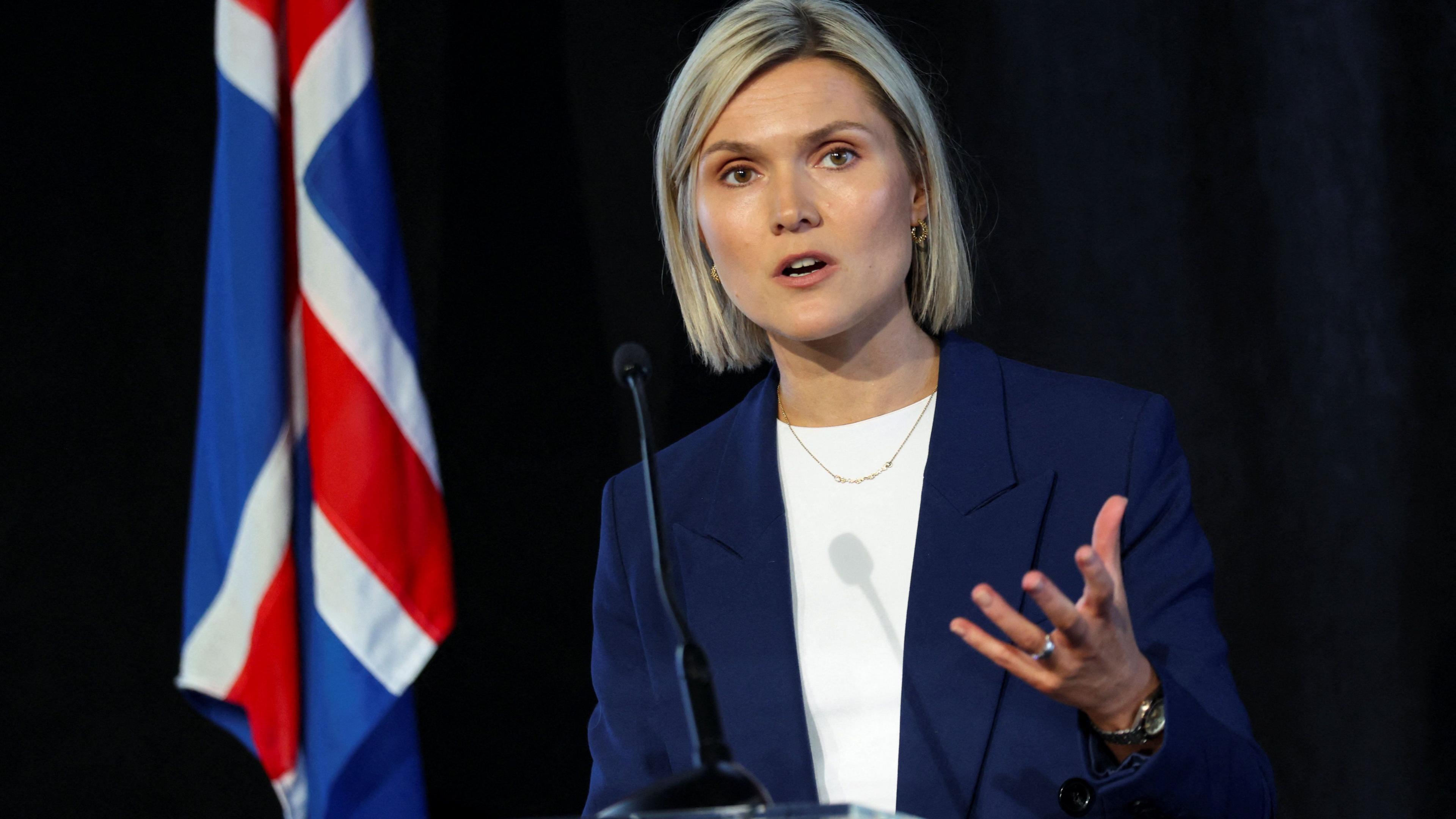
The campaign emphasised fishing rights and national sovereignty rather than security concerns, even though the island is a NATO founding member and relies on allies for defence. Prime Minister Kristrún Frostadóttir said the issue would not be revisited while her government is in office, citing the high turnout as evidence of a engaged electorate.
Today, Iceland already partakes in the EU single market and is within the Schengen free‑border zone; full EU membership would require entry into the customs union and eventual adoption of the euro. However, the referendum was framed as a preliminary step, not a final decision, and an agreement would still need a second referendum.
EU officials regard the result as a setback, with fishing policies and the desire to maintain independence identified as key factors. Eurosceptic voices, such as Nigel Farage and Marine Le Pen, praised Iceland for protecting its autonomy.
<