In brief
In a narrow 5‑4 decision, the U.S. Supreme Court cleared the path for President Donald Trump to continue construction of a grand ballroom in the East Wing of the White House. The court overturned lower‑court orders that had stalled the project, affirming the administration's emergency request despite objections from the National Trust for Historic Preservation, which argued the president lacked unilateral power to build on federal ground. Trump has long advocated for the new space to accommodate larger events and bolster security, while critics warned of irreversible damage to a historic landmark. The ruling underscores the court’s role in adjudicating executive powers amid ongoing debates over preservation and federal construction authority.
Supreme Court clears the way for Trump to stamp out a new White House ballroom
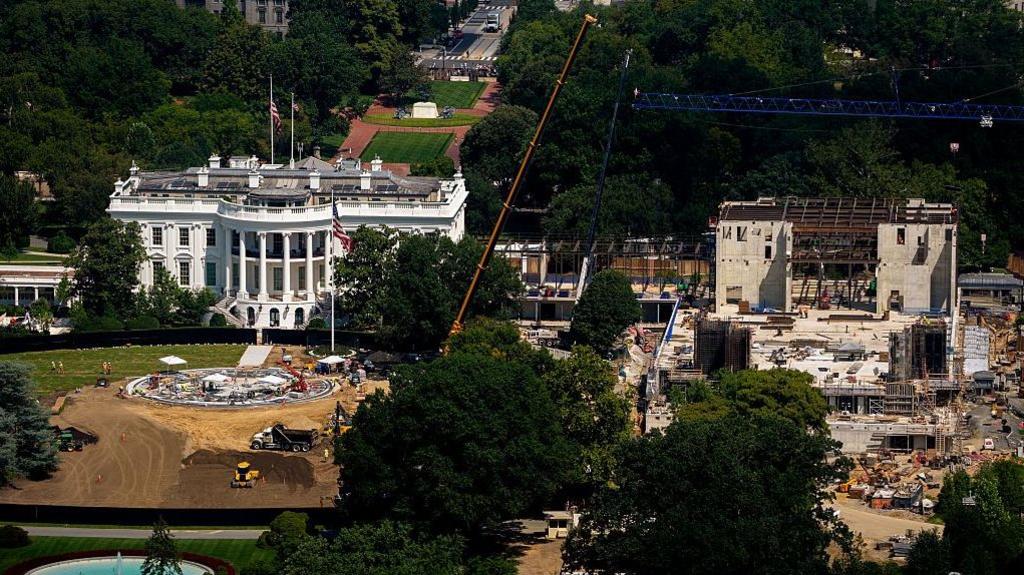
The U.S. Supreme Court, in a 5‑4 split, has granted President Donald Trump’s emergency request to proceed with a $400m ballroom at the White House, overturning lower‑court rulings that had halted construction.
The legal battle began when the National Trust for Historic Preservation filed a suit arguing that the executive branch lacks unilateral authority to build on federal ground without explicit congressional approval. The court found that Trump’s administration could likely succeed in showing a risk of irreparable harm and that the balance of equities favored continuation.
The project, which Trump began last autumn after demolishing the historic East Wing, is intended to expand the White House’s event‑hosting capability and address security needs. The National Trust contended the construction would cause irreversible damage to a historic landmark.
Chief Justice John Roberts, who issued a stay, sided with three liberal justices to describe the construction as “likely unlawful,” but the majority opinion favored the administration’s stance, allowing construction to proceed while the lawsuit remains under review.