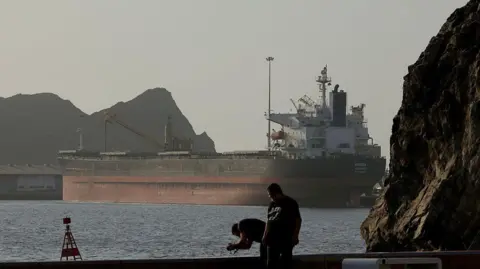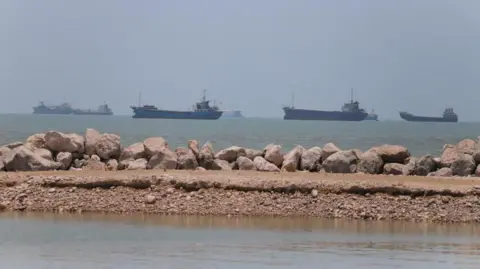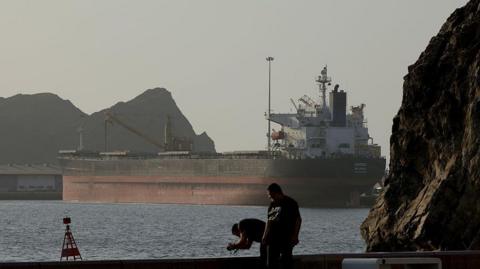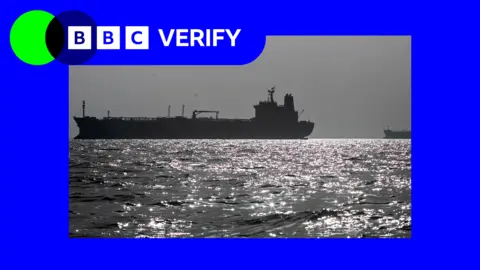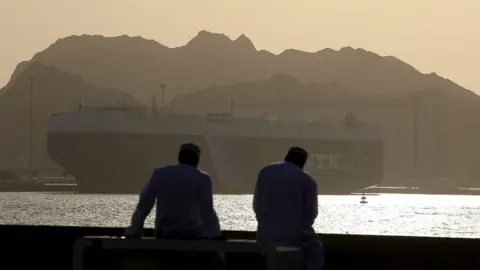
US President Donald Trump has threatened to take out Iran in one night if it fails to make a deal, emphasizing the reopening of the Strait of Hormuz, a vital global energy route. Trump's stipulated deadline for an acceptable agreement is 20:00 EDT (01:00 GMT) on Tuesday.
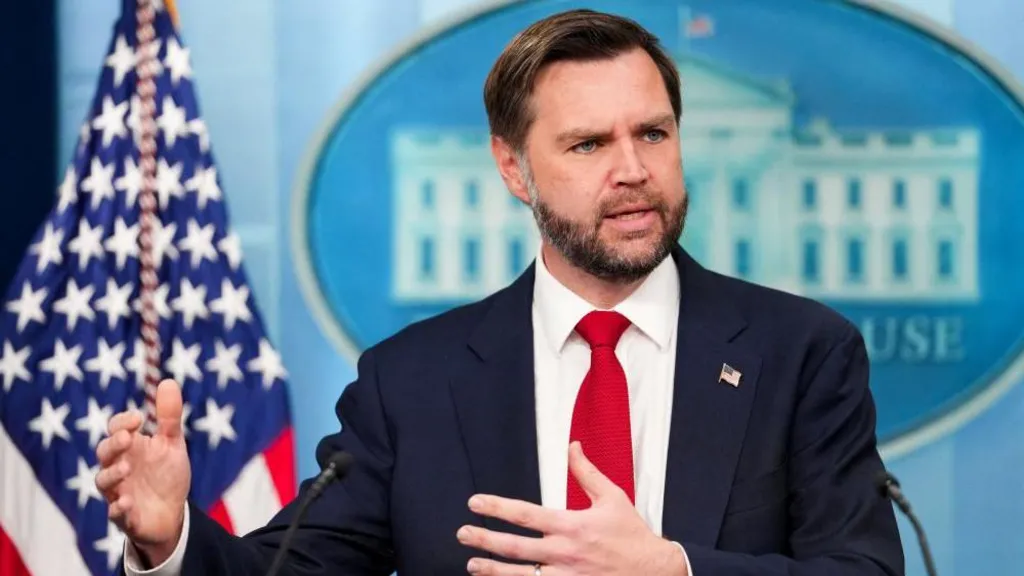
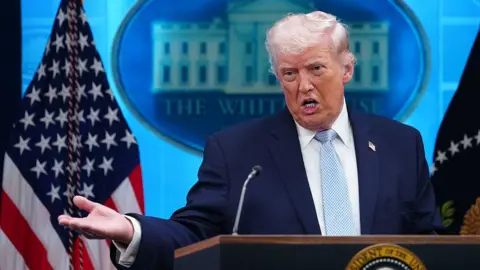
During a press conference at the White House, Trump expressed his belief that reasonable Iranian leaders were negotiating in good faith, although he acknowledged that outcomes remained uncertain. Iran has rejected proposals for a ceasefire, insisting on an immediate cessation of hostilities and the lifting of sanctions.
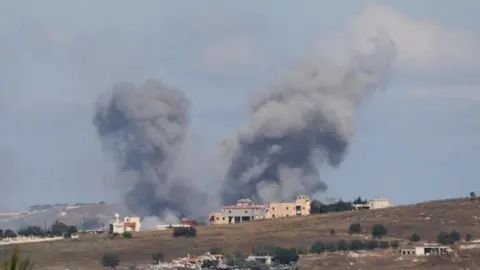
These statements followed the successful recovery of two crew members from a downed F-15 fighter jet, highlighting ongoing military operations in the region. Trump reiterated that the US is prepared to take action against Iran’s energy and transportation infrastructure if the Strait of Hormuz remains closed after the deadline.
The entire country can be taken out in one night – and that night might be tomorrow night, he warned, threatening that Iran would be returned to the Stone Ages if negotiations break down.
Despite Iran's continued rejection of US terms, Trump maintained an optimistic outlook on negotiations, particularly after the recent deaths of several Iranian leaders due to US and Israeli strikes. He stated, We're going to find out whether Iran will comply or face severe repercussions.
Regional dynamics complicate these negotiations, as communication barriers and ongoing conflicts hamper progress. Countries like Pakistan, Turkey, and Egypt are reportedly involved in attempting to facilitate dialogue.
The prospect of military action raises serious legal and ethical concerns, with experts cautioning that attacks on Iranian infrastructure could violate international law. The White House is under pressure as it navigates the delicate balance between diplomacy and military readiness in this high-stakes scenario.
During a press conference at the White House, Trump expressed his belief that reasonable Iranian leaders were negotiating in good faith, although he acknowledged that outcomes remained uncertain. Iran has rejected proposals for a ceasefire, insisting on an immediate cessation of hostilities and the lifting of sanctions.
These statements followed the successful recovery of two crew members from a downed F-15 fighter jet, highlighting ongoing military operations in the region. Trump reiterated that the US is prepared to take action against Iran’s energy and transportation infrastructure if the Strait of Hormuz remains closed after the deadline.
The entire country can be taken out in one night – and that night might be tomorrow night, he warned, threatening that Iran would be returned to the Stone Ages if negotiations break down.
Despite Iran's continued rejection of US terms, Trump maintained an optimistic outlook on negotiations, particularly after the recent deaths of several Iranian leaders due to US and Israeli strikes. He stated, We're going to find out whether Iran will comply or face severe repercussions.
Regional dynamics complicate these negotiations, as communication barriers and ongoing conflicts hamper progress. Countries like Pakistan, Turkey, and Egypt are reportedly involved in attempting to facilitate dialogue.
The prospect of military action raises serious legal and ethical concerns, with experts cautioning that attacks on Iranian infrastructure could violate international law. The White House is under pressure as it navigates the delicate balance between diplomacy and military readiness in this high-stakes scenario.