In brief
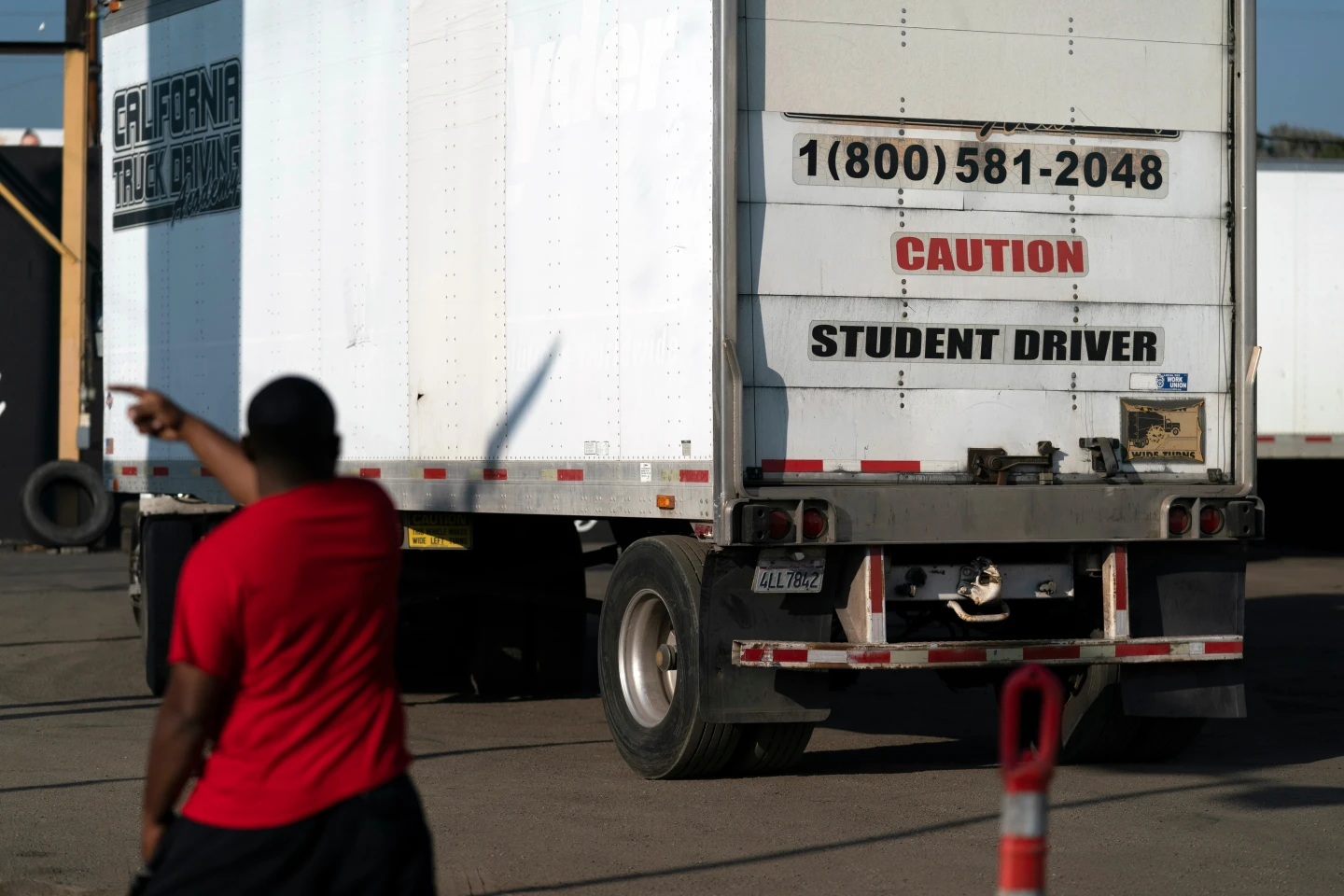
The Trump administration has flagged almost 50% of commercial driving schools as noncompliant with updated regulations, but experts believe this move will have minimal disruption to the trucking industry. Focused scrutiny on immigrant drivers, who make up about 20% of truckers, has intensified following a fatal crash involving an unauthorized driver. While established schools are largely unaffected, the decertification of noncompliant programs may slow the influx of new drivers, potentially leading to increased wait times at remaining schools.
The Trump administration’s latest move to enforce standards for commercial truck drivers by flagging nearly half of the driving schools as noncompliant won’t disrupt the industry significantly, experts predict. However, the heightened scrutiny on immigrant drivers may have ramifications.
The main driving schools with good reputations were not included in the latest compliance list, and many schools flagged appear to have already been inactive. This suggests that trucking industry officials anticipate minimal disruption. The self-certification process established in 2022 had enabled questionable schools to gain approval. Changes to enforce training standards will roll out gradually, coinciding with license renewals and new driver completions.
As the economy faces uncertainty and shipments have decreased by 10% since 2022, the surplus of drivers mitigates the stress of finding qualified drivers. Still, trucking companies struggle to find enough skilled drivers with clean records.
Following a tragic incident in Florida involving a truck driver who was not authorized to be in the U.S., the administration has emphasized ensuring that truck drivers possess adequate English proficiency. The federal focus on immigrant drivers intensified after this crash, prompting audits of commercial driver’s license programs.
Even though a court has currently stalled new enforcement rules, threats from the Transportation Secretary to withhold funds from states like California and Pennsylvania after audits revealed significant licensing issues have compelled states to act—California recently revoked approximately 17,000 licenses.
Many immigrant drivers express fear of being harassed in certain states, leading to a gradual loss of qualified drivers. Trucking company owners report that drivers are leaving in droves, feeling targeted and insulted amidst regulatory pressures. Companies are systematically undergoing audits of their drivers' immigration statuses.
The Transportation Secretary’s announcement about potentially decertifying many trucking programs could undermine efforts to recruit and train new drivers, but experts believe that the majority of affected schools had already stopped operating before the latest measures began. The bulk of at-risk schools had not submitted necessary documentation in the past year.
There’s a belief among industry professionals that while these regulatory adjustments will cause some disruption, the impact will likely be absorbed over time, and any increase in shipping rates would stem from already low baseline rates due to ongoing shipment declines.
Supporters of the driver training standards assert that stricter regulations will contribute to safer roadways. Established truck schools and professional groups endorse these regulatory changes as beneficial for improving training quality. However, decertifying a significant number of schools could create longer wait times for new drivers hoping to enter the industry.
As the need for new drivers continues, an increase in former immigrant drivers is being observed—yet language barriers pose significant training challenges. Community members renewing efforts to support immigrant drivers in the trucking industry is crucial as it faces ongoing scrutiny amid regulatory changes.