The Trump administration has instructed five states to halt certain welfare distributions amid allegations of improper benefits being awarded. The affected states—California, Colorado, Illinois, Minnesota, and New York—are crucial to the federal welfare program, encompassing childcare subsidies, job training, and cash assistance for low-income families.
Officials in these areas argue that the federal government has not substantiated its claims of widespread fraud, which they believe unjustly threatens critical support networks for the nation’s most vulnerable populations. New York Governor Kathy Hochul has labeled the administration’s narrative as false and politically motivated.
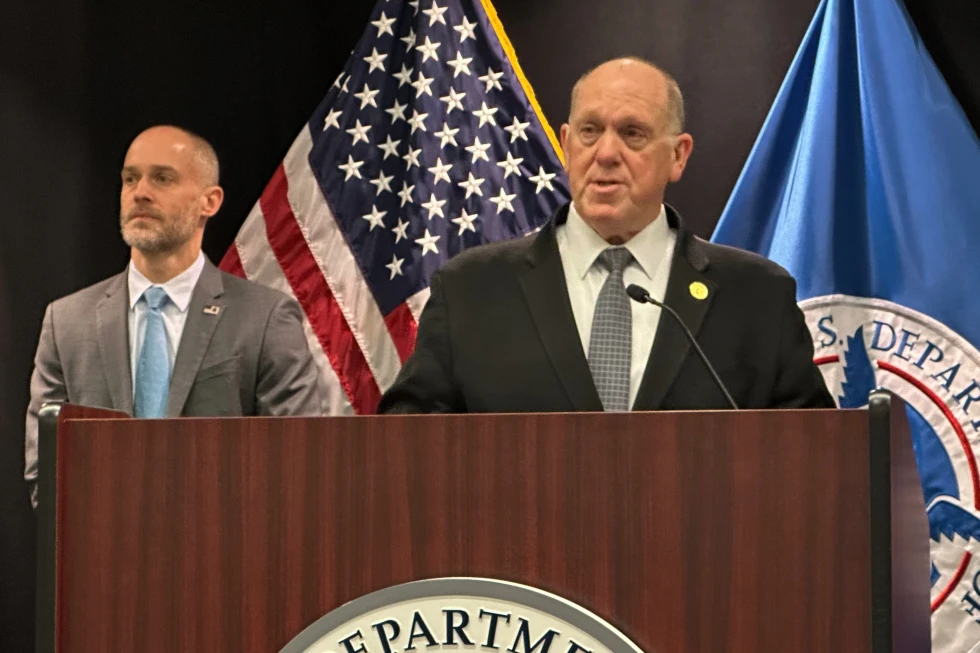
According to federal directives, the Department of Health and Human Services considers the states as suspect in providing benefits to illegal immigrants without adequate verification processes. In response, these states have filed a lawsuit to contest the freeze, arguing that it's an unconstitutional overreach that disrupts their welfare systems.
California, for instance, relies on these funds to support over a million disadvantaged children in childcare programs. State leaders are concerned that the indefinite freeze might result in budget shortfalls that could affect numerous social services, including homeless shelters and adoption services.
The administrative shift in policy requires states to navigate new hurdles for fund verification—a process criticized for being burdensome and lacking clarity. This initiative, dubbed 'defend the spend,' could inadvertently delay necessary funding for childcare facilities serving families across the states.
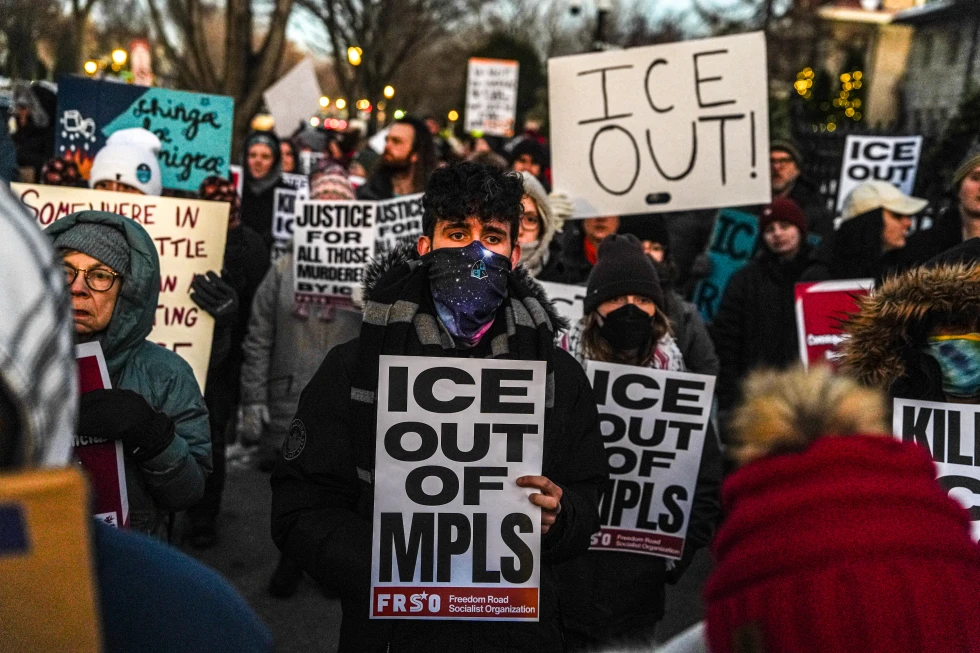
A notably contentious aspect arose when Minnesota was specifically targeted following a viral video alleging massive fraud within daycare operations run by the Somali community. This culminated in a dramatic push from the federal government for detailed records from Minnesota's childcare providers.
The response to these allegations and the subsequent federal actions could have lasting implications on state welfare operations, particularly if not addressed swiftly. With the states collectively receiving over $10 billion annually, the maintenance and distribution of these funds remain critical as families depend on such programs for survival.