Trump Administration Faces Uncertainty Amidst US-Israel Campaign Against Iran
Three weeks after the joint US-Israeli war against Iran began, the conflict has reached a fuzzy state of mixed messages and uncertainty, with Donald Trump's public comments often seemingly contradicted by realities on the ground.
The war is very complete, pretty much, Trump has said, but new American ground forces – including a Marine expeditionary unit - are moving into the region. It is winding down, but US and Israeli bombing and missile strikes on Iranian targets continue unabated.
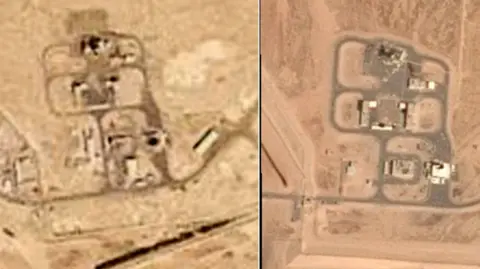
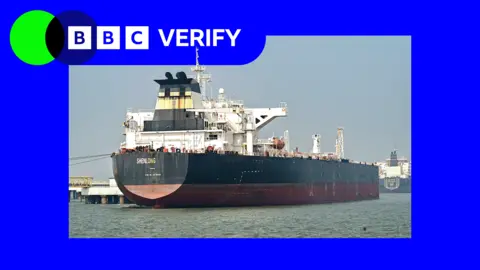
Opening the Strait of Hormuz, the geographic choke point through which 20% of the world's oil export travels, is a simple military manoeuvre, but for now only Iranian-approved ships are transiting the waters. The Iranian military is gone, but drones and missiles are still striking targets in the region, extending as far as the joint US-UK base on Diego Garcia.
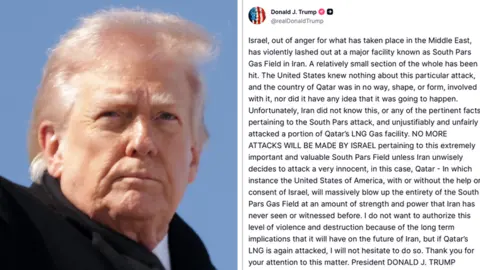
In a Friday evening Truth Social post published while he was flying from Washington to his Florida resort for the weekend, the US president provided a numbered list of American military objectives for the Iran war, which he said the US was getting really close to fulfilling. The items included degrading or destroying Iran's military, its defence infrastructure, and its nuclear weapons programme, as well as protecting American allies in the region.
Not included was the goal of securing the Strait of Hormuz, which Trump said should be the responsibility of other nations that are more dependent on oil exports from the Gulf. The president has frequently noted that the US is a net exporter of energy and does not rely on oil from the Middle East – although such a view glosses over the global nature of the fossil fuel market, where price fluctuations directly impact the price at American gas pumps.
Trump's Truth Social post also made no call for Iranian regime change, marking a significant shift in tone from the early days of the conflict. The lack of an explicit call for regime change suggests a possible acceptance of the status quo regarding Iran's leadership.
Recent military movements signal that the conflict might not be winding down after all. Reports indicate that a Marine expeditionary unit, with about 2,500 combat soldiers, was dispatched from Japan to the Middle East, expected to enhance US military capability in the region.
Congressional response to the administration's request for $200 billion in emergency funding indicates caution regarding ongoing military operations. The potential implications of a broader military engagement, including the possibility of capturing strategic oil facilities such as Kharg Island, add to the complexities of the conflict.
As Trump suggests he is not sending ground troops to Iran, this statement raises further questions about clarity and the administration's military intent. The threat of escalation and Iranian retaliation remains a significant concern, as Iran's state media warning of severe consequences if key facilities are targeted shows the potential for wider conflict ramifications.
The current situation reflects a pivotal moment for US policy in the Middle East, with the administration grappling with a conflict that has historical roots in the broader US-Iran dynamic. The path forward remains uncertain as the Trump administration navigates the challenging waters of international military engagement.