In brief
Transportation Security Administration (TSA) agents are grappling with severe financial pressures as they continue to work unpaid due to the ongoing government shutdown. With resignations on the rise, airports are witnessing heightened wait times and operational challenges. The situation is exacerbated by the economic strain on workers, many of whom are turning to food drives for assistance. Community leaders are calling for urgent action from Congress to support federal employees.
Eviction notices, vehicle repossessions, and empty refrigerators are just a few of the financial crises that Transportation Security Administration (TSA) agents are enduring amid an unprecedented funding lapse that has persisted for over a month. This is the third shutdown in less than six months, compelling officers responsible for ensuring the safety of travelers to continue working without compensation.
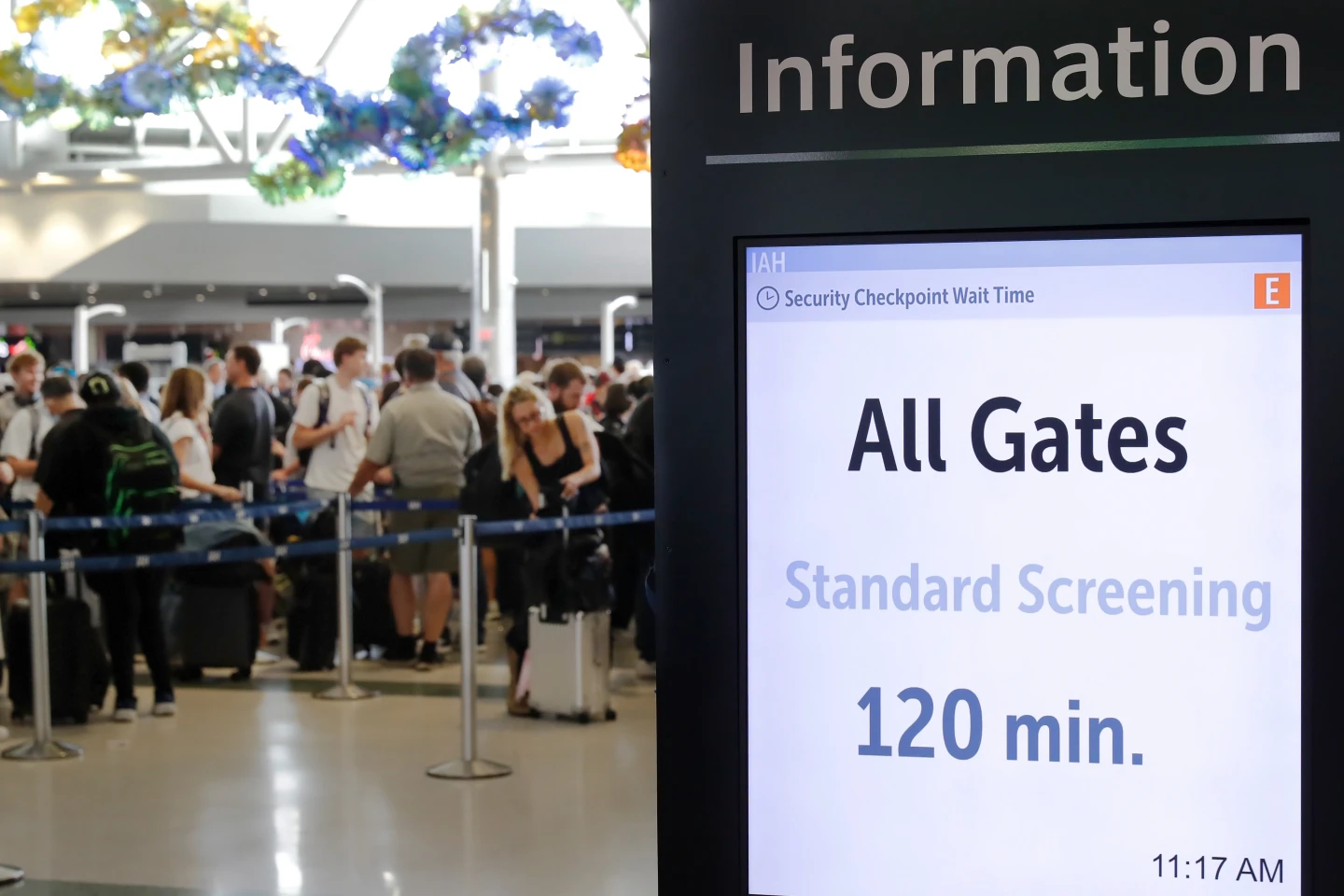
The repercussions of the shutdown have translated into longer wait times at many airports. Reports indicate that roughly 376 TSA agents have resigned since the shutdown started on Valentine's Day, contributing to an alarming turnover rate within the agency, which already struggles with low morale and high attrition rates. Cameron Cochems, a TSA union leader in Boise, Idaho, expressed that the pressure is mounting: “It’s just exhausting. Every day it just feels like this weight gets heavier and heavier on us.”
Approximately half of the past 170 days have seen TSA staff working without pay due to political standoffs, experiencing the longest government shutdown in history last fall, followed by brief interruptions earlier this year, and now the current shutdown affecting only the Department of Homeland Security. Despite being deemed essential workers, TSA agents must report to duty with halted paychecks.
The situation is pressing; national travel patterns are deteriorating as the TSA faces increased staffing shortages. Absent rates have surged, with as much as 33% of the TSA workforce missing at certain airports, leading to canceled checkpoints and significant delays. Cochems termed the environment as one where more workers feel obligated to stay even though they would prefer to leave under different circumstances.
In light of his financial struggles—following his wife’s recent job loss—Cochems turned to airport food drives to secure basic necessities for his family, a stark representation of the ongoing hardships faced by TSA agents nationwide. The political landscape remains uncertain, with Congress on recess for parts of April and negotiations around funding continuing. Amid the turmoil, the public is feeling the strain as long security wait times threaten to put traveling plans on hold.
As the House Committee on Homeland Security prepares to address the ongoing situation, the demand for legislative solutions grows ever more vital to stabilize TSA operations and support the hardworking men and women who keep America’s airports secure.