In brief
With the church-political divide increasingly apparent, a wave of religious leaders is taking to politics, hoping to reshape Democratic engagement with faith-based communities. Rev. Sarah Trone Garriott's sermon emphasizes hospitality, while fellow Democrats like James Talarico highlight progressive values regarding social justice and integrity in faith discussions.
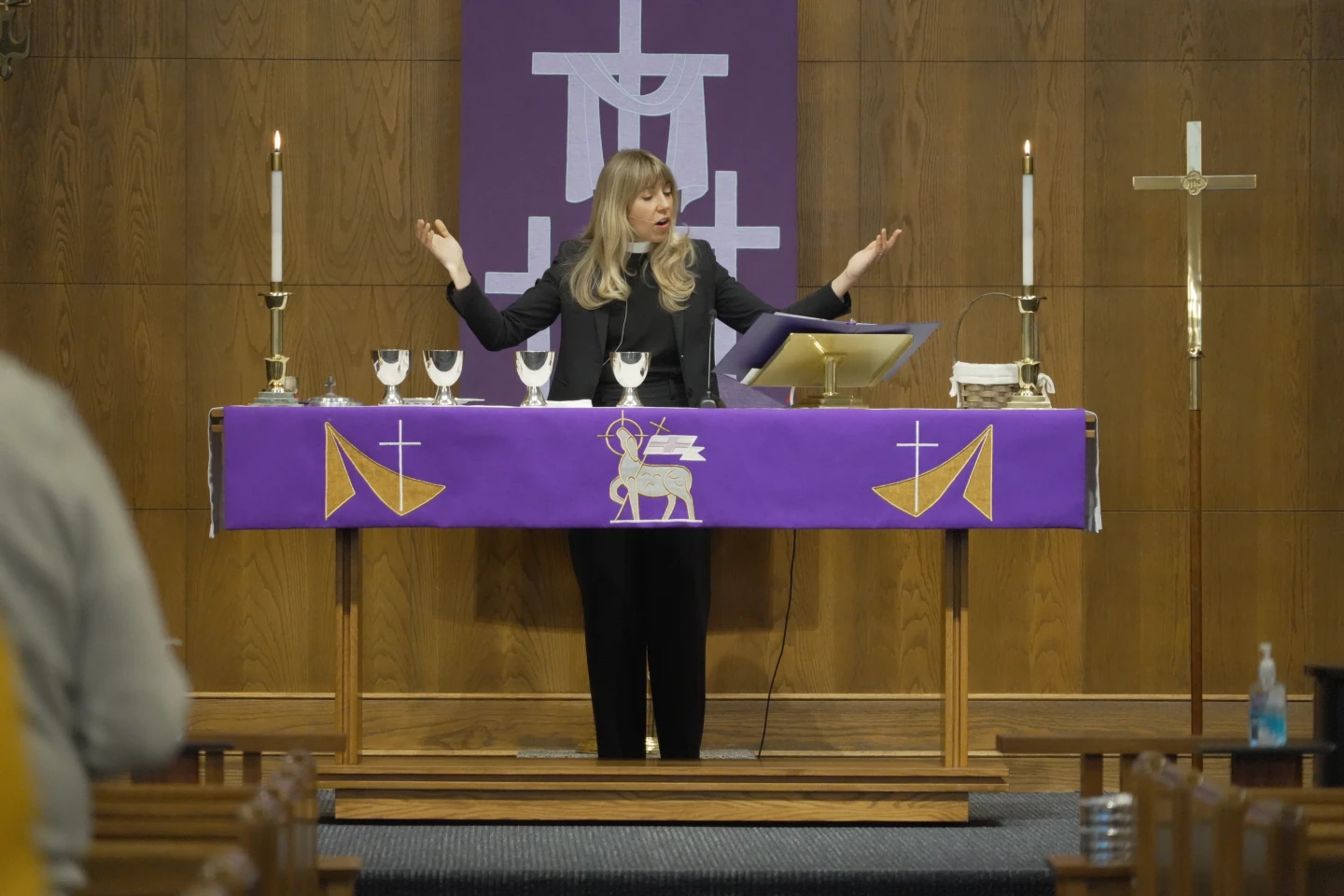
DES MOINES, Iowa (AP) — The Rev. Sarah Trone Garriott, an Iowa state senator, is at the forefront of a growing movement of religious leaders who are becoming actively involved in political contests, particularly within the Democratic Party. Last Sunday, she delivered a poignant sermon at Grace Lutheran Church urging congregants to embrace outsiders, embodying the welcoming spirit of Jesus. Her activism extends beyond the pulpit; she recently campaigned against Medicaid cuts in rural Iowa, stressing the urgent need for accessible healthcare.
Trone Garriott is not alone; she joins two other clergy members in Iowa vying for Democratic nominations for the U.S. House of Representatives. The trend of religious figures, particularly from the Christian faith, entering politics as Democrats follows years of overwhelming support for conservative candidates like Donald Trump.
According to experts, a significant shift is underway as some Christian clergy reject the notion that faith aligns solely with conservative ideals. Melissa Deckman from the Public Religion Research Institute observes, There are different ways to think about how our faith informs our policy. This indicates a broader conversation that Democrats must navigate as they work to articulate their religious values in a party enriched by diversity.
Engaging Faith Matters
Trone Garriott emphasizes that many Democrats often struggle to discuss their faith meaningfully. She articulates a desire for dialogue that respects various beliefs while maintaining an authentic expression of one’s own. Her outreach reflects an awareness that failing to address religious perspectives only emboldens the religious right.
Texas state representative James Talarico further exemplifies this bridge-building strategy, effectively intertwining faith and progressive political discourse. He gained a national following through candid discussions about his beliefs on podcasts and public forums. Emphasizing the importance of an authentic dialogue, he critiques any attempt to enforce religious symbols in public schools, advocating for a practical relationship between faith and governance.
Voter Dynamics and Future Pathways
As the 2024 election draws closer, the divide among voters continues to highlight the nuances within religious affiliations. A recent AP VoteCast survey indicated approximately eight in ten white evangelical Christians supported Trump, contrasting starkly with Black Protestant and nonreligious voters who leaned towards the Democrats.
This presents a challenge for Democrats like Kentucky's Governor Andy Beshear, who admits the party has faltered in articulating its core messages tied to faith. This gap underscores a potential opportunity for clergy and active members within the party to reclaim and redefine the conversation around faith in politics.
This emerging trend among clergy entering politics is evident in both higher-profile races, such as U.S. Senator Raphael Warnock, and local campaigns from countless pastors across various states, demonstrating a burgeoning realization that prophetic voices can influence meaningful change.
Ultimately, incumbents and challengers alike share the hope that faith can inspire a progressive agenda that resonates with a diverse electorate, shedding the constraints of past stereotypes while promoting inclusive, compassionate political dialogue.