In brief
The ongoing war in Iran triggers significant financial impacts across the globe, particularly affecting energy prices and economic stability. While countries like Norway, Canada, and Russia emerge as beneficiaries from the crisis, nations such as the U.S., the U.K., and several European countries confront the fallout of rising fuel prices, inflation, and potential economic shrinkage. The disparity in the effects underscores the geopolitical complexities and the uneven distribution of economic advantages amid conflict.
The global winners and losers of the war in Iran
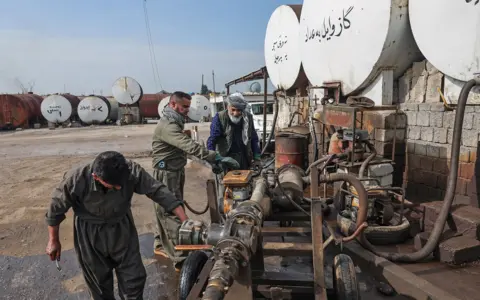
From soaring heating oil bills for homes in Yorkshire to bill-saving school closures in Pakistan, the financial fallout from the war in the Middle East is already being keenly felt. It is increasingly clear that the impact of Tehran's retaliation, designed to trigger economic disruption and damage, may not be fleeting and is very uneven. Alongside a hefty catalogue of those who risk being hard hit, there are some who are benefiting.
Winners: Norway, Canada and Russia
For all the efforts to pursue renewable energy, the global reliance on oil and gas remains high. When prices rise, producers often stand to gain while consumers endure escalating costs. The Middle East remains central to the global oil supply, with the Strait of Hormuz being a vital artery.
The current conflict has led to substantial impacts on Gulf producers like Qatar and Saudi Arabia. As customers seek alternative sources, Norway and Canada are poised to gain. After Russia invaded Ukraine, Norway ramped up its oil production, while Canada is positioning itself as a stable energy supplier.
Meanwhile, Russia could emerge as the biggest winner, with a notable increase in crude sales to India amid U.S. relaxation of sanctions, potentially boosting its revenue by billions.
Losers: US, UK and Europe
Despite potential gains for American oil producers, the U.S. as a whole may not benefit. Destruction in the Middle East can disrupt supplies, and many shale producers lack the capacity to rapidly increase output. With Americans being the largest consumers of oil, rising prices place considerable strain on households.
Europe faces similar vulnerabilities, heavily relying on imported gas and facing inflation risks. Countries like South Korea are experiencing significant impacts, warning of risks to major industries like chip making.
As the situation unfolds, the long-term economic ramifications remain uncertain, exacerbating concerns over global energy stability.