In brief
Police detained a 33‑year‑old German man following a fire at the Kehlsteinhaus, better known as the Eagle’s Nest, in the Bavarian Alps. The blaze began at 21:15 local time and spread rapidly over difficult terrain, drawing a response of around 200 emergency personnel. Authorities say the suspect was riding a motorcycle near the scene and was apprehended immediately. While no other suspects have been identified, investigators are exploring possible mental health issues and potential political motives. The incident adds to ongoing debates in Germany about whether to preserve, repurpose or demolish sites associated with Nazi history.
Police in Bavaria arrested a 33‑year‑old German man after a blaze erupted at Adolf Hitler’s former mountaintop retreat, the Kehlsteinhaus, also called the Eagle’s Nest.
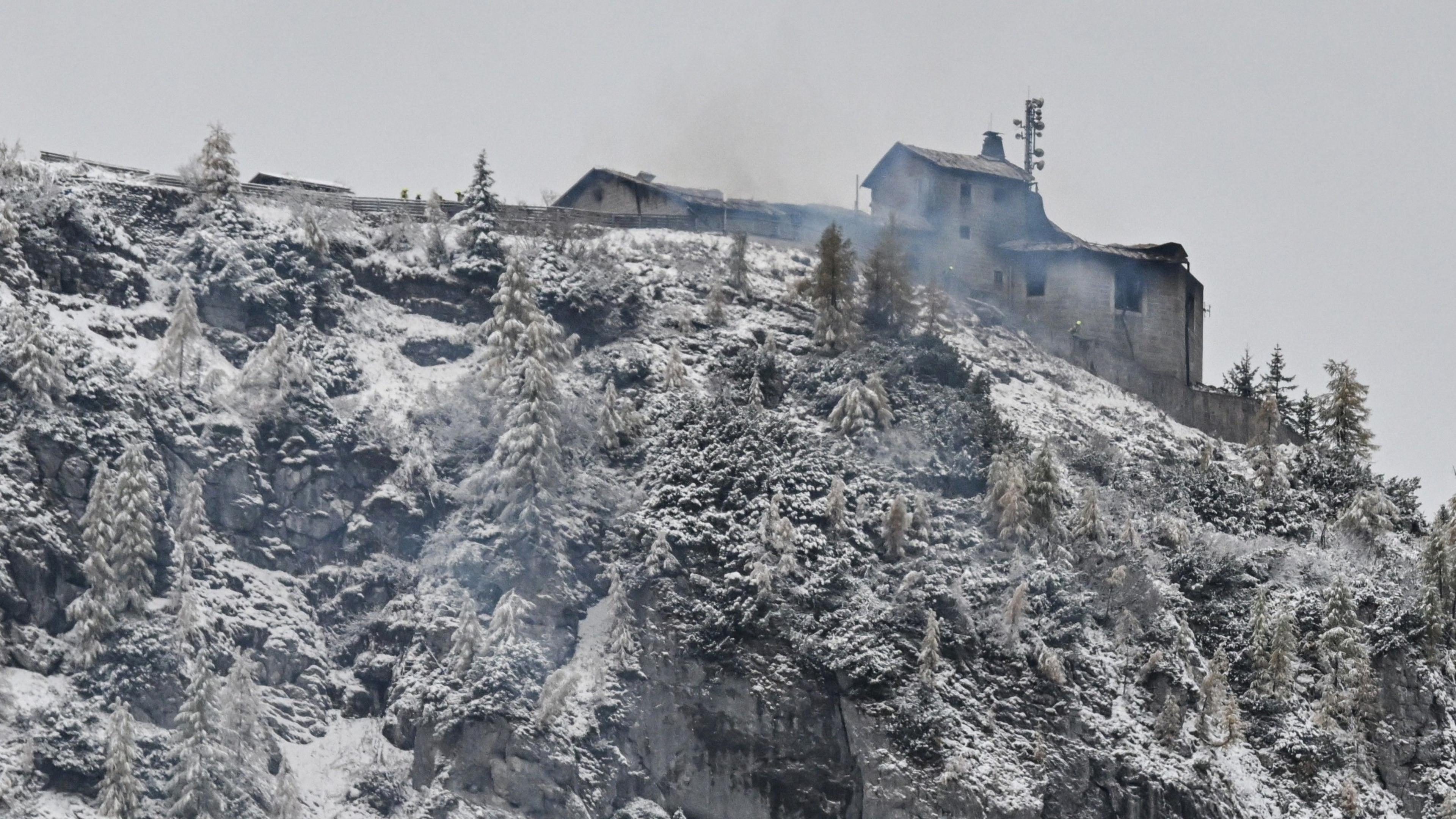
Emergency services received a fire alarm at 21:15 local time on Friday. The building, perched near Berchtesgaden at about 1,800 m above sea level, was found engulfed in flames the following morning.
Around 200 firefighters and support staff were deployed, but the steep terrain and wind‑driven fire made containment difficult. The blaze was still active when workers arrived on Saturday.
Authorities reported that the suspect was caught on a motorcycle near the site. A criminal investigation has been opened, and no further suspects have been identified so far.
Public prosecutor Rainer Vietze said a psychiatric assessment suggested the man may suffer from mental illness, which could affect culpability. A possible political motive is also being investigated, but investigators remain in the early stages of the inquiry.
The Kehlsteinhaus was completed in 1938 and served as one of Hitler’s high‑altitude headquarters during World War II. Since the war, the site has been a popular tourist destination, hosting a mountain inn and hosting memorial displays that remind visitors of the atrocities committed by the Nazi regime.
The incident adds to the wider debate in Germany and Austria about the future of buildings tied to Hitler. Some argue for preservation as historical lessons, while others fear they could become neo‑Nazis’ pilgrimage sites. Recent actions include the demolition of a Berlin bunker and the conversion of Hitler’s birthplace into a police station.
Interior Minister Joachim Herrmann emphasized that the site will not remain a ruin. “It is important that we continue our work of remembrance,” he said, underscoring the commitment to preserve the memory of the nation’s past while preventing misuse.