In brief
A massive flash flood last week destroyed villages along the Nepal–Tibet border, killing over a thousand people and leaving nearly four thousand missing in Nepal and more than five hundred in Tibet. Rescue crews are battling difficult terrain, damaged bridges, and ongoing monsoon rains to locate survivors, many of whom are trapped in hydropower tunnels. The United Nations, together with local governments, has shifted focus from immediate rescue to long‑term recovery, emphasizing aid, housing, and psychological support for displaced residents. With heavy machinery clearing the main route and drones scanning remote areas, the hope is that rescue operations can soon resume more effectively, though the death toll may rise as more evidence comes to light.
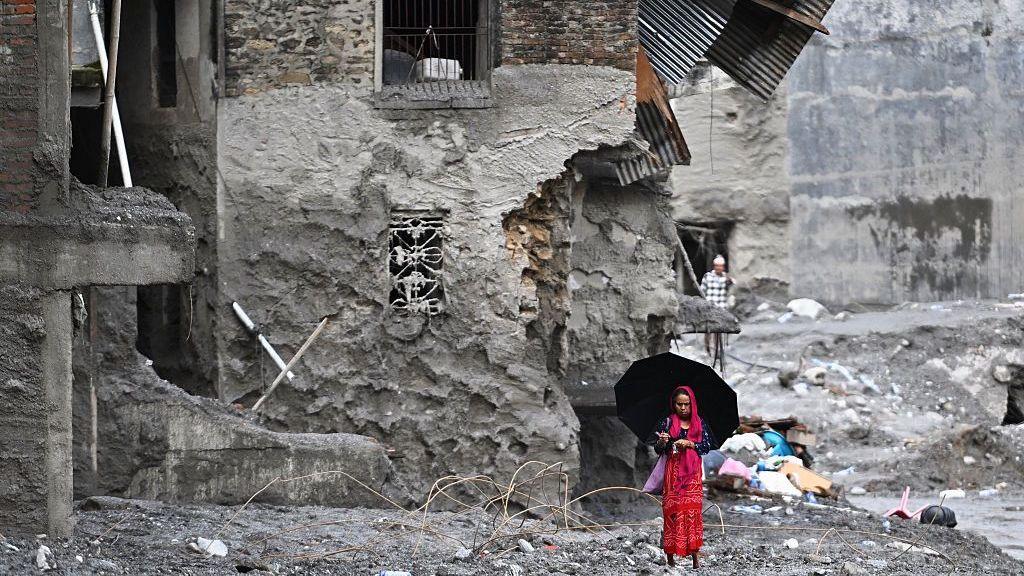
A sudden flash flood that swept through a Himalayan valley last Wednesday has turned the border region between Nepal and Tibet into a humanitarian nightmare. The flood, likely triggered by a glacial collapse, buried villages, washed away villages, and left thousands of people dead or unaccounted for.
Official figures from the Nepal disaster agency report 1,114 confirmed deaths and almost 4,000 missing. In Tibet, the official death toll is 16 with more than 500 people missing. Foreign nationals from India, the UK, Australia, the US, Malaysia and others are among the missing, and their families still hope for rescue reports from their safety.
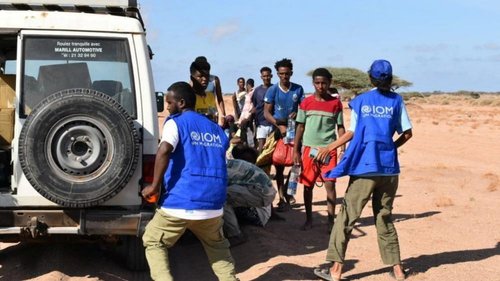
The United Nations humanitarian agency says the response has entered a new phase. Authorities are redirecting resources toward recovery operations—building temporary shelters, restoring access routes, and providing medical and psychological support for the displaced.
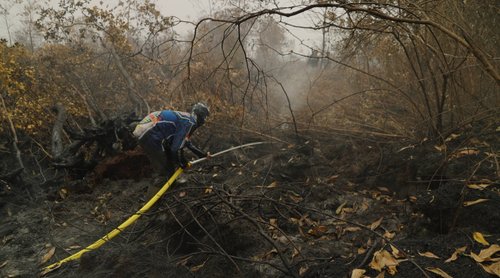
Rescue teams are working in a hazardous environment. Heavy machinery is being used to clear debris and reopen the Gyirong border crossing, while Chinese and Indian experts build temporary bridges to reach remote settlements. Drones are flying over hard‑to‑reach areas, scanning for survivors in collapsed houses and tunnel networks.
One of the most pressing challenges is limited access. More than 40 bridges were destroyed, and villages still struggle with fuel shortages and broken water supplies. Army helicopters are now transporting aid to the most isolated communities.
In Nepal, nearly 3,500 people are now homeless or displaced in 27 camp sites, many of them schools that are now also centers for temporary housing. The priority for residents is receiving immediate humanitarian relief, identifying remains of loved ones, locating missing relatives, reuniting separated children, and accessing psychosocial support.
The government of Nepal and the UN have agreed to launch a four‑month humanitarian flash appeal to meet urgent needs.
As the Tuesday after the disaster passes, officials caution that the death toll may rise as rescue teams dig deeper into the flooded valleys. The international community watches closely, hoping that swift relief will mitigate the long‑term impacts on these fragile communities.