In brief
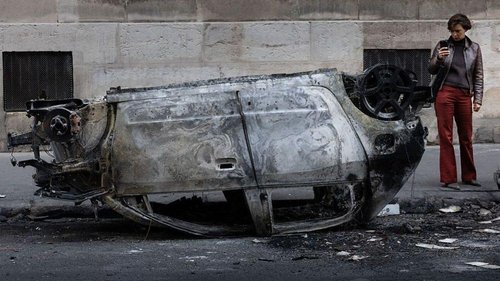
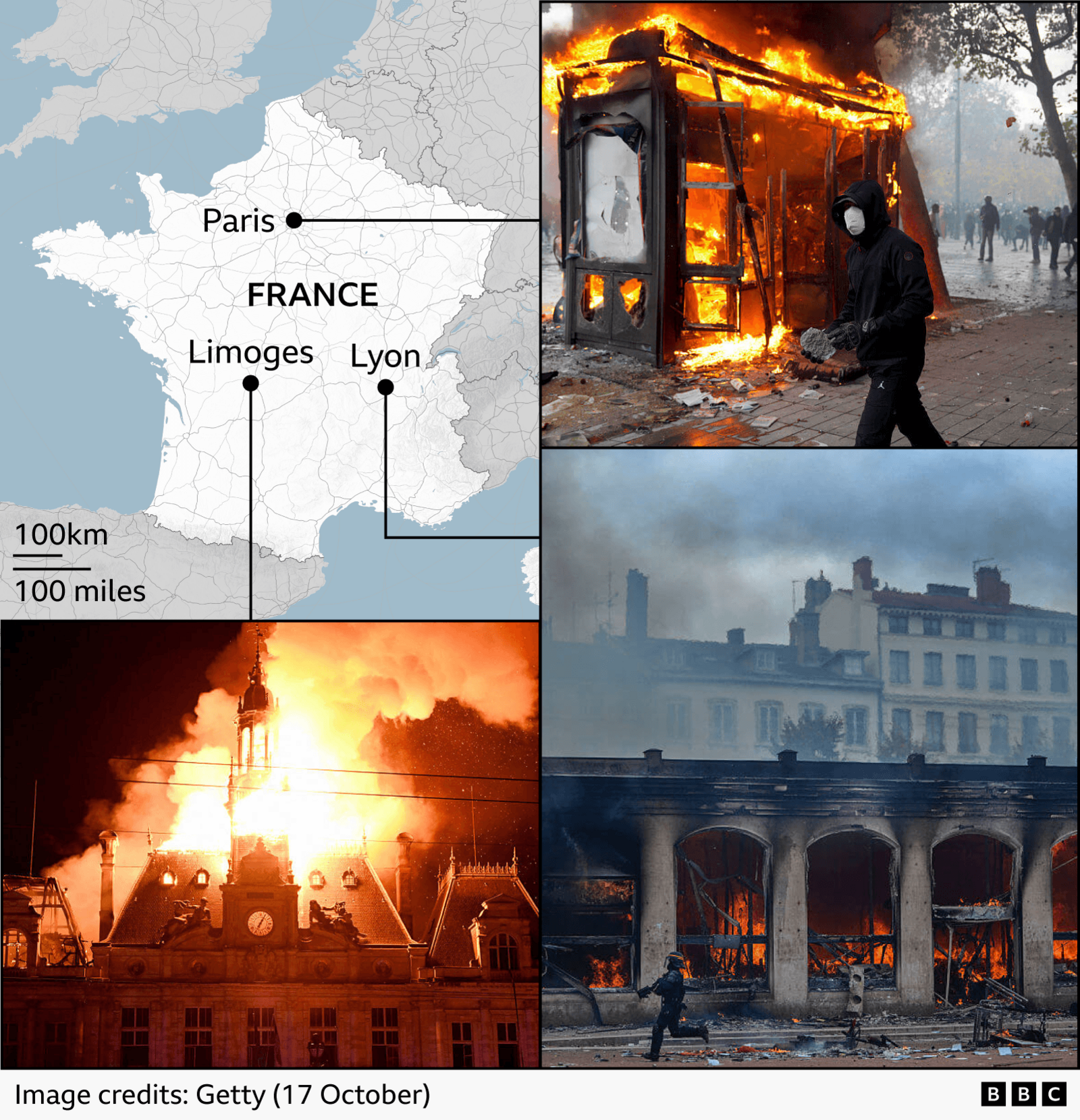
Over a weekend of demonstrations, dissenters moved from peaceful marches into violent actions – setting cars, kiosks and city halls ablaze. In Paris, landmarks such as Place de la République were vandalised, while buildings in Lyon and Marseille suffered similar damage. Curfews were introduced in multiple towns, and national leaders faced calls for resignation as police struggled to regain control. The unrest, sparked by rising living costs, threatens a relaxing of civil order ahead of France's presidential elections.
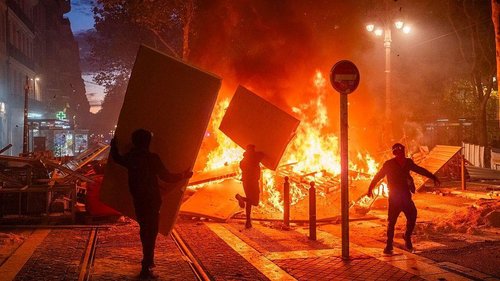
A wave of demonstrations that began with calls to curb rising fuel costs quickly turned into violent clashes across France. Protestors, some wearing masks and balaclavas, set fire to kiosks, vehicles and even historic city halls, leaving scorched ruins in the heart of Paris, Lyon and Marseille.
In Paris’s Place de la République, a yellow‑vest banner was draped over the Statue of the Republic and the street suffered extensive fire damage. The municipal building in Lyon was gutted by flames, and the city hall in Marseille was broken into with a metal fence used as a battering ram, knocking the statue of Marianne to the floor.
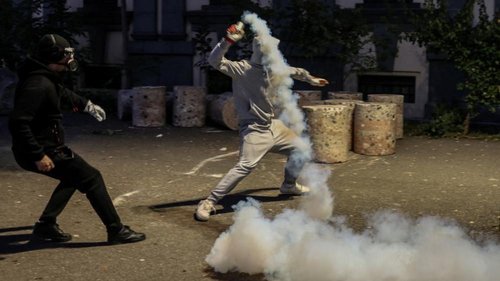
Police struggled to contain the mobs, using tear gas and stun grenades while bystanders were jostled in chaotic street scenes. Local authorities announced that partial curfews would be imposed on a patchwork of towns, a move endorsed by Prime Minister Sébastien Lecornu to protect citizens and businesses.
Interior Minister Laurent Nuñez offered his resignation, a gesture that was rejected, while Mayor Benoît Payan of Marseille denounced the loss of control as a national shame. Authorities affirmed that the unrest could intensify before the next election weekend.
The damage to iconic sites has left many citizens and visitors shocked, bringing fresh urgency to the debate over France’s economic and social conditions. As curfew zones tighten, the country watches the next days with heightened tension, hoping for a return to calm before the national vote approaches.