In brief
Naan, a soft and chewy flatbread popular in South Asian cuisine, has a rich history rooted in royal courts and has become a staple around the globe. Initially a luxury reserved for the nobility, it has evolved into various popular versions today, including the famed butter garlic naan. This article delves into the origins, evolution, and cultural significance of naan, highlighting its journey from royal kitchens to its status as a global culinary treasure.
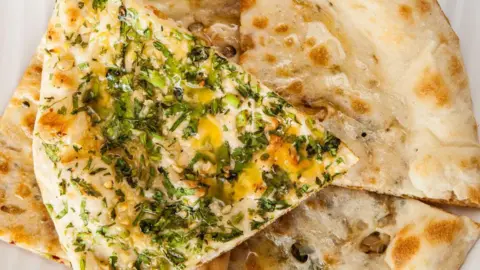
A pillowy-soft naan—an iconic leavened flatbread—paired harmoniously with rich, creamy butter chicken gravy, stands out as a comforting favorite in South Asia. While the aromatic curry is often the star, it relies significantly on the naan, which enhances the dish with its subtle, chewy charm. Butter garlic naan recently topped Taste Atlas' best breads list, highlighting its universal appeal.
Historically, naan was exclusive to the royal courts of Islamic kings, representing luxury and culinary mastery. It is believed to have originated in ancient Persia, deriving its name from the Persian word for bread. The arrival of the naan to the Indian subcontinent coincided with the rule of Muslim sultans in the 13th to 16th centuries, marking the beginning of its reinvention and popularization.
Food historians note that the naan made its way into poetry and literature, with figures like Amir Khusrau documenting its variations and cultural importance. Traditionally, naan was cooked in a tandoor, a clay oven, a technique that has remained central to its preparation.
As British colonial influence grew, the naan remained a symbol of elite dining while slowly beginning to merge into local culinary traditions. In recent decades, the naan has undergone numerous creative adaptations, with contemporary chefs infusing it with diverse ingredients, leading to unique variations.
Today, naan not only serves as a culinary delight but also embodies a tapestry of cultural stories, reflecting a shared heritage across regions. As popular dishes like butter chicken and modernistic adaptations like pizza naan highlight its versatility, the naan stands as India’s cherished culinary gift to the world.