In brief
The 1970s Zamrock genre, a unique blend of psychedelic rock and traditional Zambian sounds, is experiencing a revival. Contemporary artists, including Sampa the Great, are incorporating its influences into their music, drawing attention to this often overlooked Afro-rock style. With cultural ties to Zambia's post-colonial era, the genre's resurgence highlights its significance and impact in today's musical landscape, encouraging new generations to explore and celebrate Zamrock's vibrant history.
Artists and music fans from around the world have been rediscovering the 1970s sound of Zambia known as Zamrock in recent years. One of the biggest stars from Zambia is embracing this vintage genre, hoping to infuse it with contemporary relevance.
Sampa the Great, a rap artist known for her performances at major festivals like Glastonbury and Coachella, has taken inspiration from Zamrock while creating her third studio album. We were searching for a sound that embody post-colonial freedom, and Zamrock speaks to that essence, she shared in a recent interview.
The first single from her album, Can't Hold Us, showcases Zamrock's characteristic psychedelic influence intertwined with bold, defiant lyrics. Notably, Sampa is among several artists, including Travis Scott and Tyler, the Creator, who have sampled classic Zamrock tracks, illustrating the genre's enduring influence.
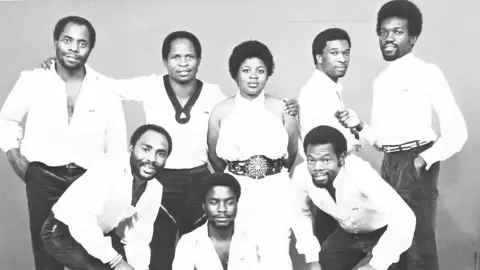
Historically, Zamrock emerged during the 1970s when Zambia was embracing its independence from British colonial rule. Weirdly mixed traditional Zambian music with psychedelic rock elements from Western bands, it defined a cultural identity in that liberated landscape. WITCH, one of the most recognized bands from the era, played a significant role in its popularity.
Despite facing challenges including economic declines and the HIV/AIDS crisis that impacted many musicians, a resurgence of interest has sparked renewed attention. Record labels like Now-Again Records have reissued classic albums, breathing new life into these sounds. This revitalization has allowed artists like Sampa the Great to explore the genre further, blending it with modern influences like hip-hop.
I think Zamrock's resurgence will be really huge, Sampa predicts, highlighting the potential for its evolution and the younger generation's desire to preserve its origins. Indeed, there is hope that the genre will see a vibrant future as artists continue to push its boundaries and ensure its narrative is shared widely.