A Thai military court has sentenced two Uyghur nationals to death for the 2015 bombing of Bangkok’s Erawan shrine, the country’s deadliest terrorist attack.
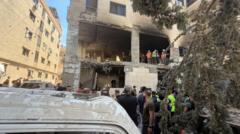
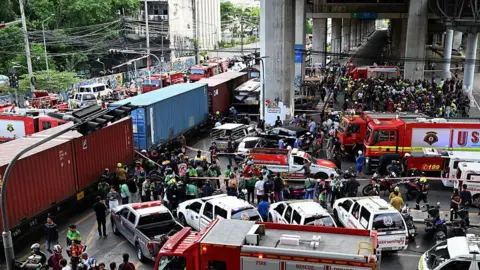
On 17 August 2015 a powerful bomb exploded beside the shrine, killing 20 people and leaving more than 120 wounded. The blast rammed through visitors praying at the shrine and damaged nearby traffic, creating chaos in the heart of the city.
The perpetrators, Bilal Mohammad and Yusufu Mierali, were arrested within weeks of the attack. Both were identified as Uyghurs, a Muslim minority from China who had been returning to Thailand after the government’s forced repatriation of 109 Uyghur men the month before.
The trials, held in a military court, spanned more than ten years. They included delays for translation services and accusations of torture to force confessions. Critics, including the International Commission of Jurists, have said the process violated human‑rights standards.
Despite the length of the proceedings, judges cited phone‑call records showing both men near the bombing scene and communicating in the hours before the explosion as sufficient evidence for conviction. The defendants' lawyer announced plans to appeal the verdict.
The case fuels debate over Thailand’s judicial system and its handling of politically sensitive cases involving foreign nationals. While authorities rejected the notion that the bombing was linked to Uyghur separatism, they suggested it may have been an act by criminal smugglers or political opponents of the junta.
Thai authorities announced a $80,000 reward for clues about the bombers, which they later awarded to themselves after securing the first two suspects, ignoring that many other alleged accomplices were still at large.
The bomb remains a stark reminder of Bangkok’s vulnerability to terrorist attacks, and its aftermath underscores the challenges of delivering justice amid political and human‑rights concerns.