Iran War Sparks Energy Crisis in Asia: Daily Lives Disrupted
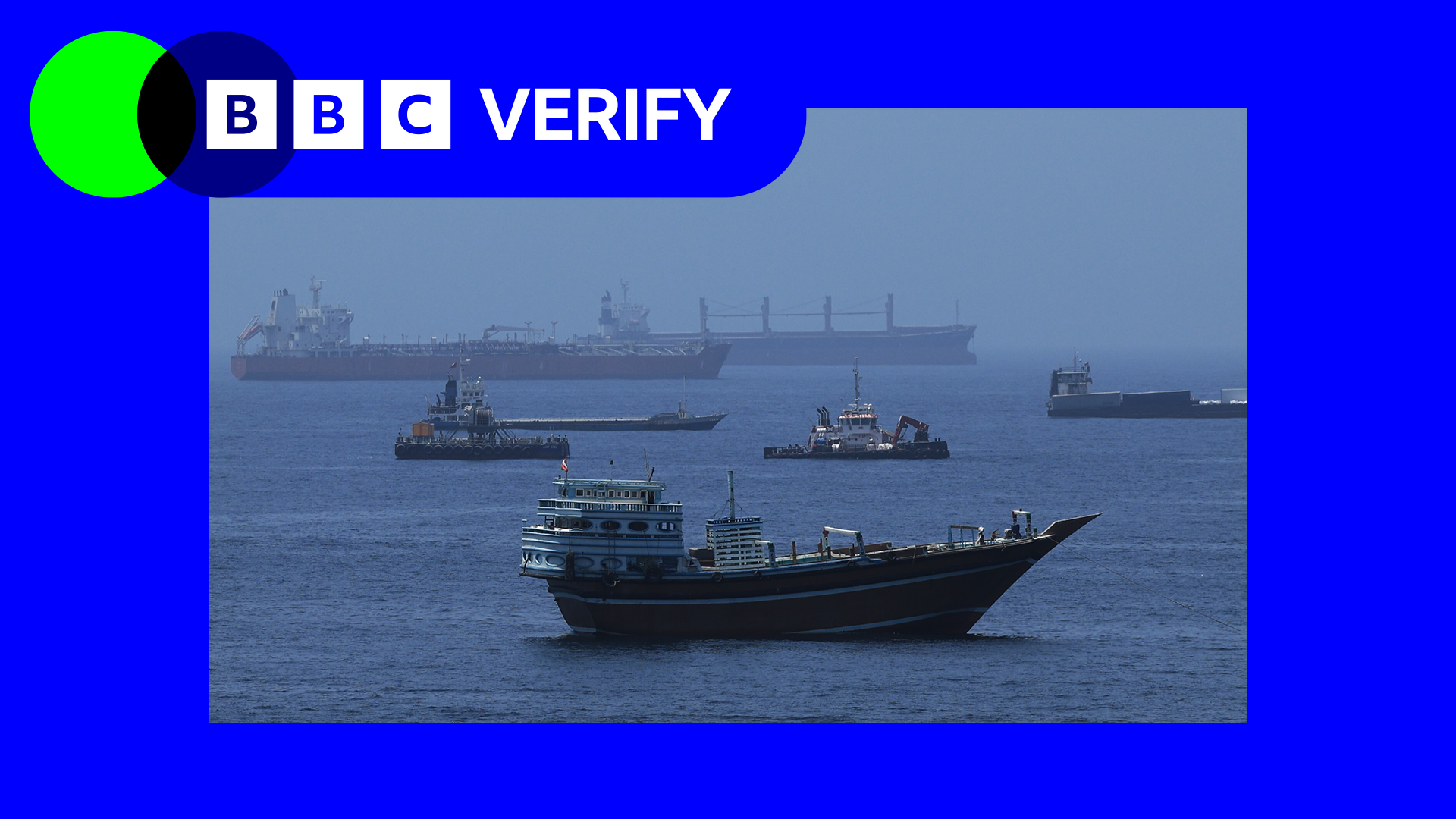
The effective closure of the Strait of Hormuz after the US and Israel began their war with Iran in late February has sent shockwaves across the globe. Oil prices have soared and stock markets have wobbled as the world waits to see when Iran will allow the key waterway, through which about 20% of all oil passes, to reopen. Currently, only a handful of ships make it through the strait each day, and attacks on energy infrastructure in the region have only pushed prices higher.
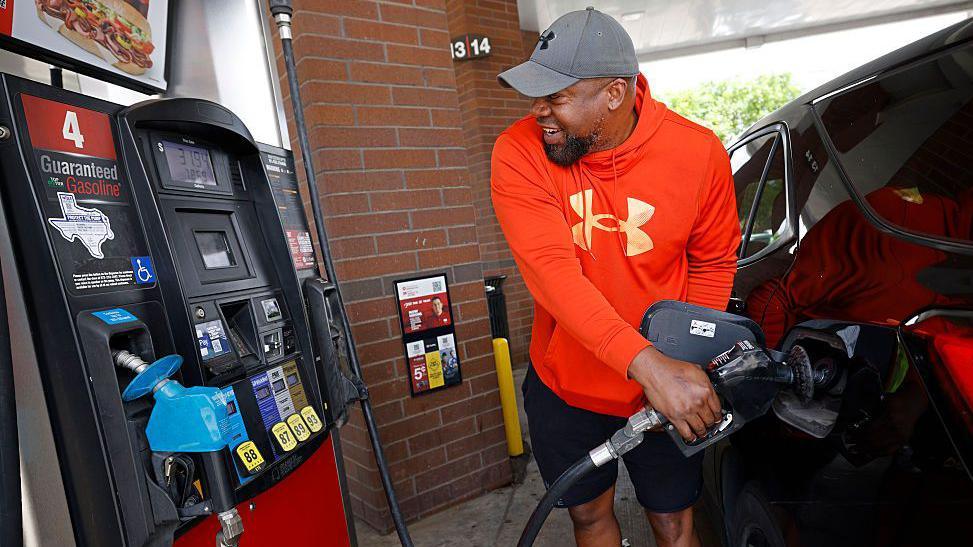
Arguably, nowhere has felt it more than Asia: nearly 90% of the oil and gas passing through the strait is bound for Asian countries, and already, the strain is being felt. Governments have ordered employees to work from home, cut the working week, declared national holidays, and closed universities early to conserve supplies. Even China, with reserves thought to last three months of imports, is limiting price hikes as citizens face a 20% jump in fuel costs.
In the Philippines, a declaration of national emergency came in light of the conflict and the imminent danger posed to the country’s energy stability. Here, jeepney drivers have been heavily impacted, with drivers seeing their earnings drop dramatically, struggling to meet their family needs amid soaring prices. In Thailand, news presenters have been asked to dress more casually in an effort to save energy as the country implements measures to keep air conditioning use low amid the crisis.
Sri Lanka grapples with the irony of having the funds to purchase fuel now, but very little fuel available due to the disruptions. Citizens here face serious shortages, leading to fuel rationing and complaints about long queues at gas stations. Myanmar's military regime has implemented an alternate day policy for vehicles to conserve their dwindling fuel supplies.
India is also bearing the brunt of the fallout, with gas shortages impacting industries, especially in Gujarat where the ceramics industry has ground to a halt. As cooking gas becomes scarce, restaurants are adjusting menus and some have had to temporarily close. The lifting of restrictions paired with soaring prices has left many individuals and families in limbo, uncertain of their economic futures.