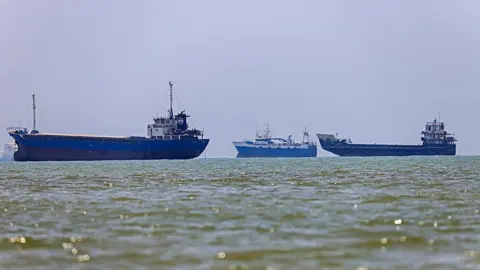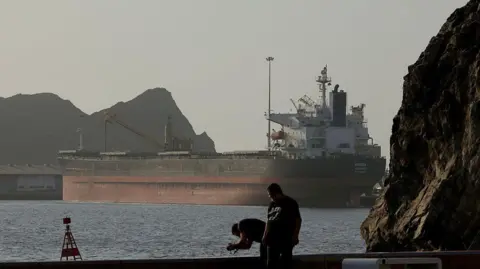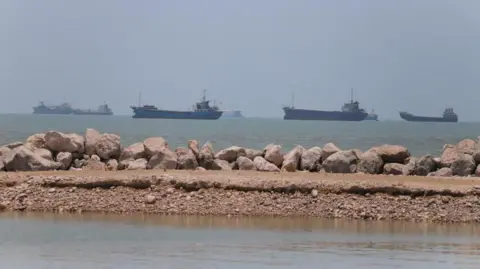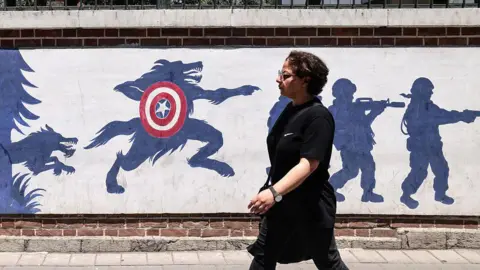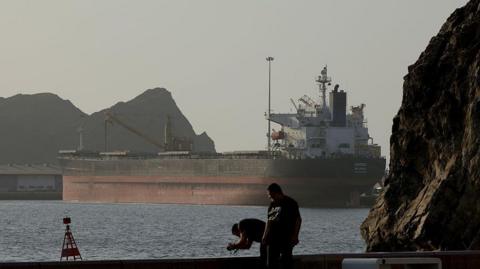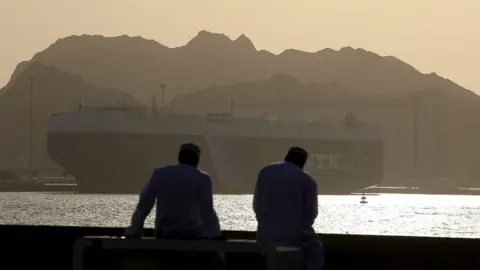
The effective closure of the Strait of Hormuz after the US and Israel began their war with Iran in late February has sent shockwaves across the globe.
Oil prices have soared and stock markets have wobbled as the world waits to see when Iran will allow the key waterway - through which about 20% of all oil passes - to reopen.
At the moment, only a handful of ships make it through the strait each day. Meanwhile, the attacks on energy infrastructure in the region have only served to push prices higher.
Arguably, nowhere has felt it more than Asia: nearly 90% of the oil and gas passing through the strait is bound for Asian countries. And already, the strain is being felt.
Governments have ordered employees to work from home, cut the working week, declared national holidays, and closed universities early in order to conserve their supplies. Even China - which is thought to have reserves equivalent to three months of imports - is making adjustments, limiting a fuel price hike as citizens are faced with a 20% jump in price.
The war may be thousands of miles away - but people across Asia have been telling the BBC about the very real, everyday impact it is having on their lives.
Philippines
On Tuesday, the Philippines declared a national emergency in light of the conflict and 'the resulting imminent danger posed upon the availability and stability of the country's energy supply'.
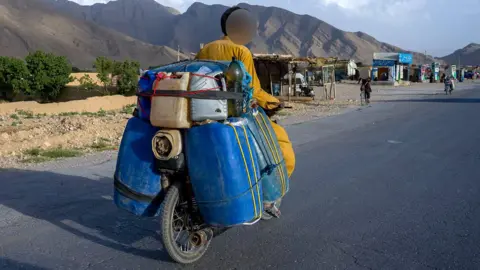
The impact here of a war more than 7,000km (4,300 miles) away is being felt strongly - with the country's jeepney drivers among the worst affected.
Carlos Bragal Jr has seen his daily wage drop from 1,000 to 1,200 pesos ($16.60 to $19.92) for a 12-hour shift to just 200 to 500 pesos.
Drivers like him were already facing a slew of issues - including excise tax and a suspended fare hike - but the recent soaring prices now mean some of his colleagues make nothing.
Thailand
In nearly two decades as a news presenter, Sirima Songklin has rarely been caught without a suit. But earlier this month, she and her fellow news anchors at public broadcaster Thai PBS removed their blazers on air to promote a message: save energy by dressing appropriately in the heat amid a fuel crisis.
Sri Lanka
The irony of the current crisis is not lost on Dimuthu, who lives in the Sri Lankan capital, Colombo.
During the previous time, the country did not have money to buy fuel. Now, the country has money, but there is no fuel for us to buy.
India
The world's most populous country has been deeply affected by events in the Middle East since 28 February. The 10 million-strong Indian community in the Gulf is dealing with the direct fallout of the war, but at home the effects of oil and gas shortages are being felt across both homes and businesses.