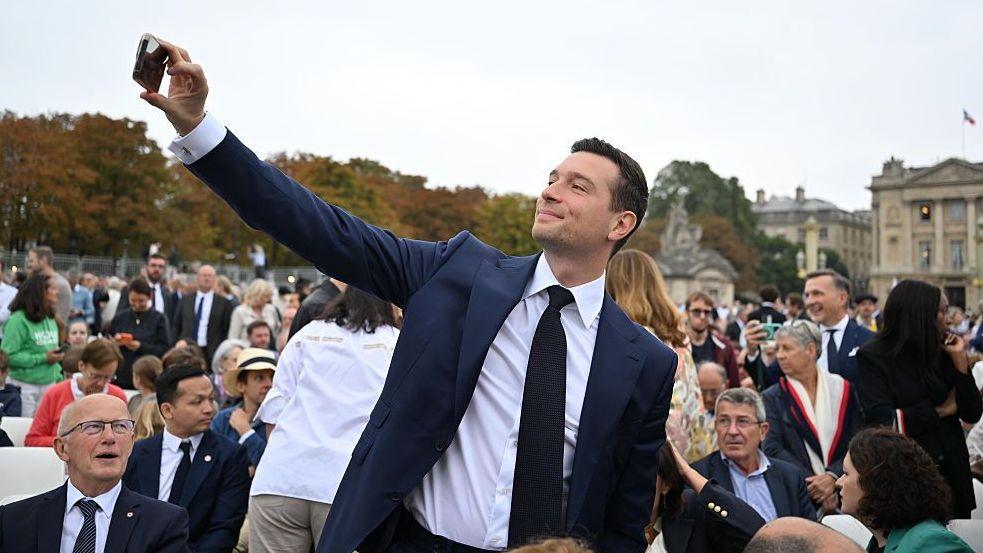
In a swift response to allegations by the left‑wing website Mediapart, Jordan Bardella, 31, president of France’s hard‑right National Rally (RN), said he would sue for libel after the outlet published a series of messages purportedly from 2013 containing antisemitic remarks.
The claims were based on “dozens of written conversations” the newspaper said it had gathered after several months of investigation. Among the alleged statements were accusations that banks were owned by Jews, that Jews must dominate other peoples, and that a new world order would be led by Israel with Jerusalem as its capital.
When confronted, Bardella denied the authenticity of the texts, accusing MediaPar account of being either a coordinated disinformation campaign or a tool of “interested parties” seeking to undermine the RN. He told CNews that every measure would be taken to destabilise the campaign and that his lawyer would pursue a libel case.
Marine Le Pen, the RN’s presidential candidate and daughter of the party’s founder, backed Bardella in a declarative interview, calling the allegations suspiciously fabricated and typical of “dirty tricks” used against the party.
The controversy arrives at a critical juncture, with the RN climbing pre‑election polls. Recent surveys suggest Le Pen could secure 35‑36% of the vote in the first round, potentially facing left‑wing incumbent Jean‑Luc Mélenchon in a head‑to‑head run‑off that polls predict would see Le Pen win by a wide margin. The RN also achieved a milestone in the Senate election, gaining enough seats to form an official parliamentary group for the first time.
In response to the allegations, left‑wing politicians and representatives of the Jewish community urged Bardella to resign. The head of the Jewish umbrella organization Crif called the alleged comments a stark reminder of the limitations of the RN’s attempts to clean up its far‑right image. However, RN deputy Jean‑Philippe Tanguy deflected blame onto ostracised members expelled in the 2010s, suggesting the accusations are part of a longstanding vendetta.
As courts weigh the claims and the RN solidifies its campaign strategy, the outcome of the legal dispute may have far‑reaching implications for France’s electoral landscape and the broader conversation about intolerance on the political spectrum.