In brief
One year after Bashar al-Assad's fall, Syria is experiencing a lighter atmosphere, but faces significant new challenges under interim president Ahmed al-Sharaa, including sectarian tensions and questions of governance. Despite some signs of stabilization and international support, many remain wary about the future, as violence persists and the scars of war remain fresh.
A year ago, the war that President Bashar al-Assad seemed to have won was turned upside down when a rebel force led by Ahmed al-Sharaa, also known as Abu Mohammed al-Jolani, captured control of key areas including the capital, Damascus.
Today, Syria is grappling with not just the aftermath of a devastating civil war, but also the complexities of a new governance structure. While the absence of the Assad family has brought a sense of relief for some, the challenges remain steep as the country faces increased sectarian tensions and a fractured national identity.
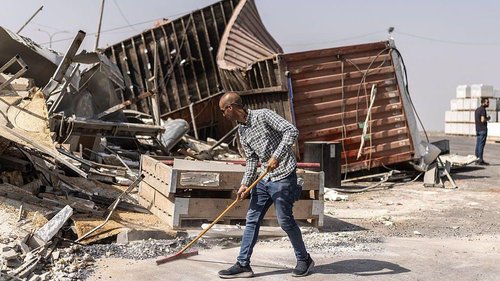
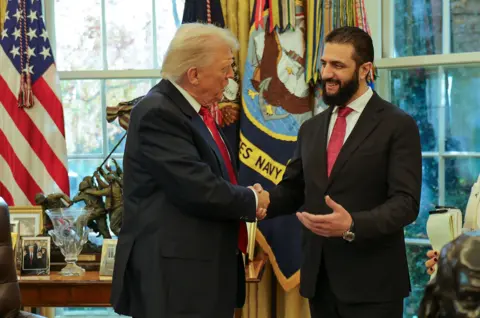
Many Syrians are finding themselves amidst skeletal buildings, remnants of the merciless conflict, creating a stark reality where rebuilding efforts seem daunting. Amidst this, Ahmed al-Sharaa attempts to navigate international politics, illustrating a more pragmatic approach as he engages with foreign leaders, including a notable meeting with former President Trump's administration.
Despite these diplomatic efforts, his regime struggles to assert authority in northern regions, where Kurdish forces maintain significant control, and concerns about the Alawite community's safety linger, posing threats to the fragile peace.
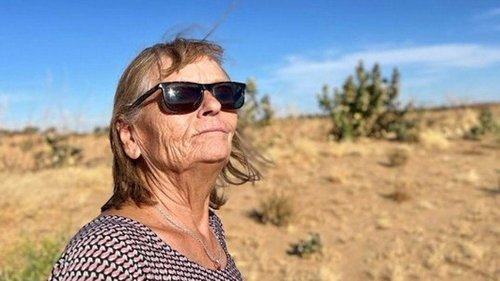
As Sharaa works towards stabilizing Syria, his connection with international powers brings hope that the country might rise from the ashes of its past. Yet, for Syrians like Umm Mohammad, the fear lingers - 'We want safety. We go to sleep and wake up afraid.'
In conclusion, while the fall of the Assad regime has ushered in a new chapter for Syria, the path forward is laden with complications that demand vigilant navigation to avoid a relapse into chaos.