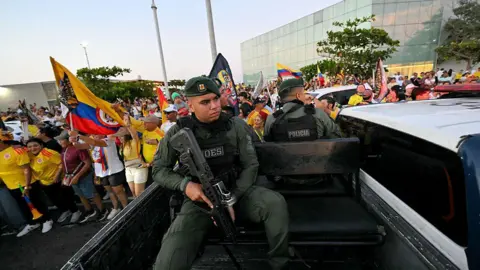
In recent months, Benin has witnessed a surge in violence attributed to an Islamist insurgency that is spreading in West Africa. This alarming trend has taken precedence over other campaign issues as the nation gears up for its presidential election on Sunday.
Security has become the focal point of discussions, especially in the wake of a significant coup attempt against outgoing President Patrice Talon, which was thwarted by military intervention from Nigeria, highlighting the precarious stability of the region.
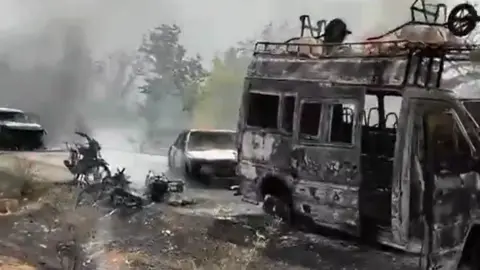
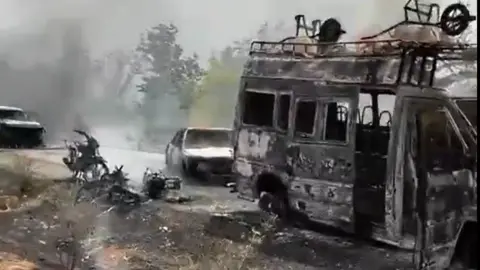
Concerns about militant activity came into stark relief when an al-Qaeda affiliate carried out a deadly attack on a military base last month, resulting in the deaths of 15 soldiers. This incident is part of a broader pattern of violence, with the military suffering the highest losses last year as insurgents targeted troops in W National Park, an area known for its biodiversity yet vulnerable to incursions due to its porous borders.
Echoing the fears of civilians, a local school teacher lamented the escalating violence, stating, We only want to work, to educate the youth, but it's becoming so difficult. Residents fear their country might spiral into chaos akin to that experienced in Nigeria due to Boko Haram's activities.
In this tense environment, the ruling coalition candidate, Finance Minister Romuald Wadagni, has pledged to prioritize security if elected. His main opponent, Paul Hounkpè, seeks to present a collaborative approach with neighboring countries to strengthen defense efforts against the insurgents.
While both candidates recognize the threat posed by militant groups, they also face a backdrop of political contestation influenced by systemic changes that have sidelined opposition parties, raising questions about the electoral process itself.
Voters express hope for a peaceful transition of power and are looking towards the new leadership for effective solutions to improve security and address the region's growing instability.
Security has become the focal point of discussions, especially in the wake of a significant coup attempt against outgoing President Patrice Talon, which was thwarted by military intervention from Nigeria, highlighting the precarious stability of the region.
Concerns about militant activity came into stark relief when an al-Qaeda affiliate carried out a deadly attack on a military base last month, resulting in the deaths of 15 soldiers. This incident is part of a broader pattern of violence, with the military suffering the highest losses last year as insurgents targeted troops in W National Park, an area known for its biodiversity yet vulnerable to incursions due to its porous borders.
Echoing the fears of civilians, a local school teacher lamented the escalating violence, stating, We only want to work, to educate the youth, but it's becoming so difficult. Residents fear their country might spiral into chaos akin to that experienced in Nigeria due to Boko Haram's activities.
In this tense environment, the ruling coalition candidate, Finance Minister Romuald Wadagni, has pledged to prioritize security if elected. His main opponent, Paul Hounkpè, seeks to present a collaborative approach with neighboring countries to strengthen defense efforts against the insurgents.
While both candidates recognize the threat posed by militant groups, they also face a backdrop of political contestation influenced by systemic changes that have sidelined opposition parties, raising questions about the electoral process itself.
Voters express hope for a peaceful transition of power and are looking towards the new leadership for effective solutions to improve security and address the region's growing instability.