In brief
Spain faces a dire situation as African Swine Fever threatens its pork industry. Farmers have already suffered losses estimated at over €600 million due to plummeting exports and prices. While the outbreak remains largely contained, the implications on trade and the economy are severe, prompting urgent biosecurity measures and a culling of wild boars to control the spread.
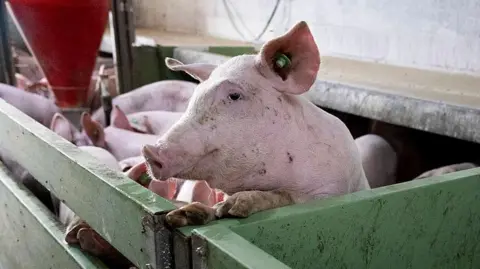
Jordi Saltiveri gazes across his farmland, on which he keeps 8,000 pigs, and remembers the day late last year when the news emerged that African Swine Fever (ASF) had been detected in Spain. I felt sad, angry, impotent, he says. Once it's known that a country is positive for ASF, other countries will stop importing its pork. Saltiveri's farm, owned by his father and grandfather before him, is in an isolated spot in the province of Lleida, in the northeastern region of Catalonia.The outbreak of the virus remains relatively contained and it has not reached this area. Even so, Saltiveri, who is president of the federation of farming cooperatives in Catalonia, along with almost every other pork farmer in Spain, is feeling its impact. Each pig we sell for slaughter has lost about €30 [$35; £26] to €40 of its value compared to before the outbreak, he says. I'm worried because we're suffering big losses.ASF is highly contagious and lethal for pigs and wild boars but does not affect humans. The efforts to eradicate the virus focus on controlling the wild boar population, which has been identified as a key factor behind the outbreak's spread. Catalan authorities have implemented strict measures, including culling a significant number of wild boars.Internationally, countries like Brazil, Japan, and the United States have halted imports of Spanish pork, leading to a 17% drop in exports from Catalonia. The industry has already lost over €600 million since the crisis's inception. With the fear that Spain could mirror Germany's devastating experience with ASF, farmers are calling for a robust response to protect the nation's leading pork industry, valued at €25 billion. Saltiveri and others remain hopeful that strict biosecurity protocols will safeguard their farms amid these challenging circumstances.