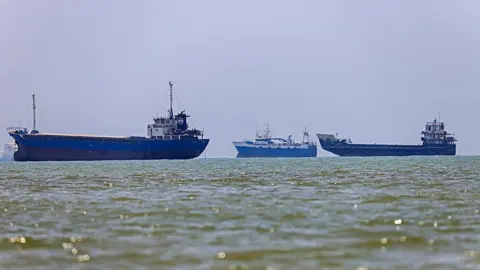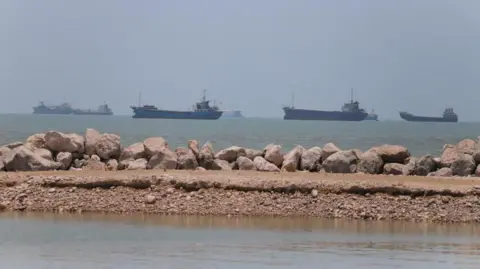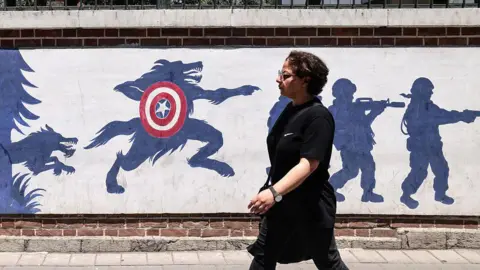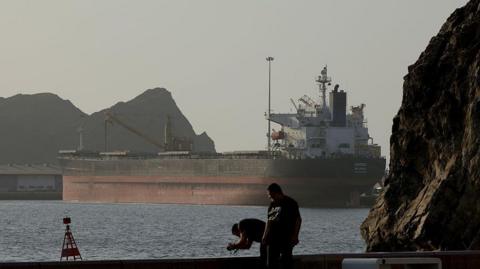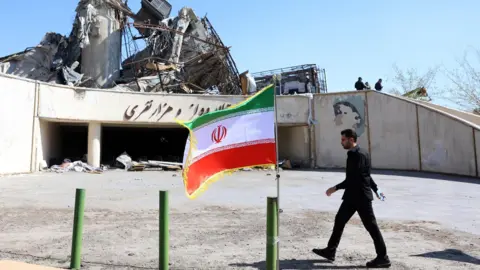
As the deadline approaches set by U.S. President Donald Trump, ordinary Iranians are vocalizing their fears and anxieties about the potential destruction of vital infrastructure. Trump recently threatened to strike Iran's power plants and bridges should the nation not open the Strait of Hormuz, making dramatic claims via social media. In a post rife with expletives, he labeled the next day 'Power Plant Day' and 'Bridge Day', indicating an unprecedented level of escalation in tensions.
In response, Iranian officials have dismissed Trump's threats, characterizing them as desperate and nonsensical. Yet, the looming possibility of military intervention is causing widespread panic among citizens. Many have begun stockpiling essentials like food and water, fearing impending shortages in the aftermath of a potential strike.
Interviewed by the BBC under conditions of an ongoing internet blackout, Iranians expressed resignation and despair. One citizen remarked, “It feels like we're sinking deeper into a swamp. We can't do anything. We can't stop him [Trump].” Amidst sentiments of hopelessness, there is also frustration towards politicians whom many believe have failed to protect ordinary citizens from foreign aggression.
While official state media displays an image of normalcy, community members share stories of preparing for disruptive scenarios, including stockpiling water in anticipation of supply cuts. As tensions mount and the risks of U.S.-Israeli strikes become more tangible, Iranians are left grappling with an uncertain future, combating both the stress of impending conflict and the internal strife brought about by economic hardship and political oppression.
In response, Iranian officials have dismissed Trump's threats, characterizing them as desperate and nonsensical. Yet, the looming possibility of military intervention is causing widespread panic among citizens. Many have begun stockpiling essentials like food and water, fearing impending shortages in the aftermath of a potential strike.
Interviewed by the BBC under conditions of an ongoing internet blackout, Iranians expressed resignation and despair. One citizen remarked, “It feels like we're sinking deeper into a swamp. We can't do anything. We can't stop him [Trump].” Amidst sentiments of hopelessness, there is also frustration towards politicians whom many believe have failed to protect ordinary citizens from foreign aggression.
While official state media displays an image of normalcy, community members share stories of preparing for disruptive scenarios, including stockpiling water in anticipation of supply cuts. As tensions mount and the risks of U.S.-Israeli strikes become more tangible, Iranians are left grappling with an uncertain future, combating both the stress of impending conflict and the internal strife brought about by economic hardship and political oppression.