Sierra Leone Fishermen Fight Back: Chinese Overfishing Threatens Local Livelihoods
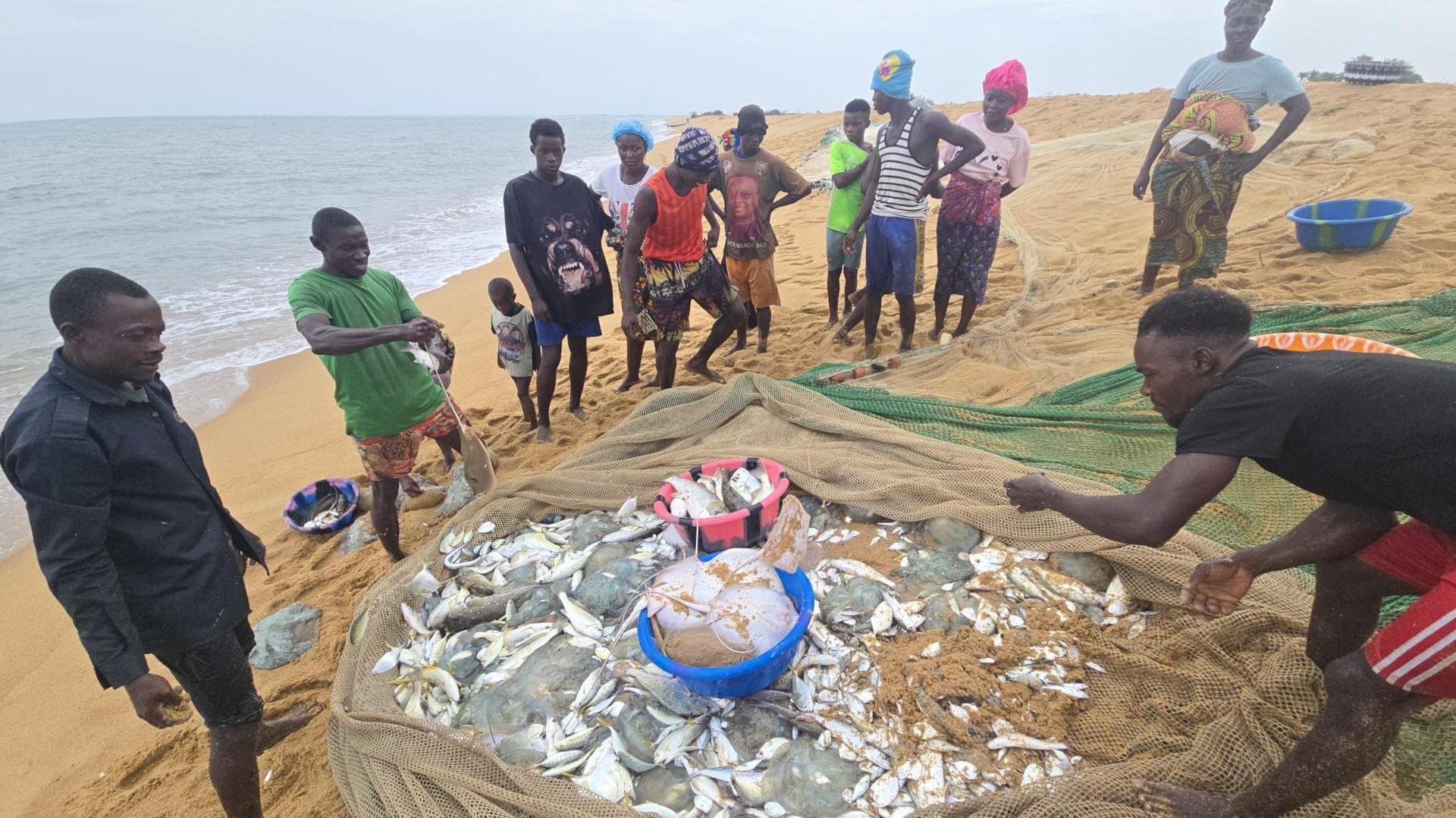
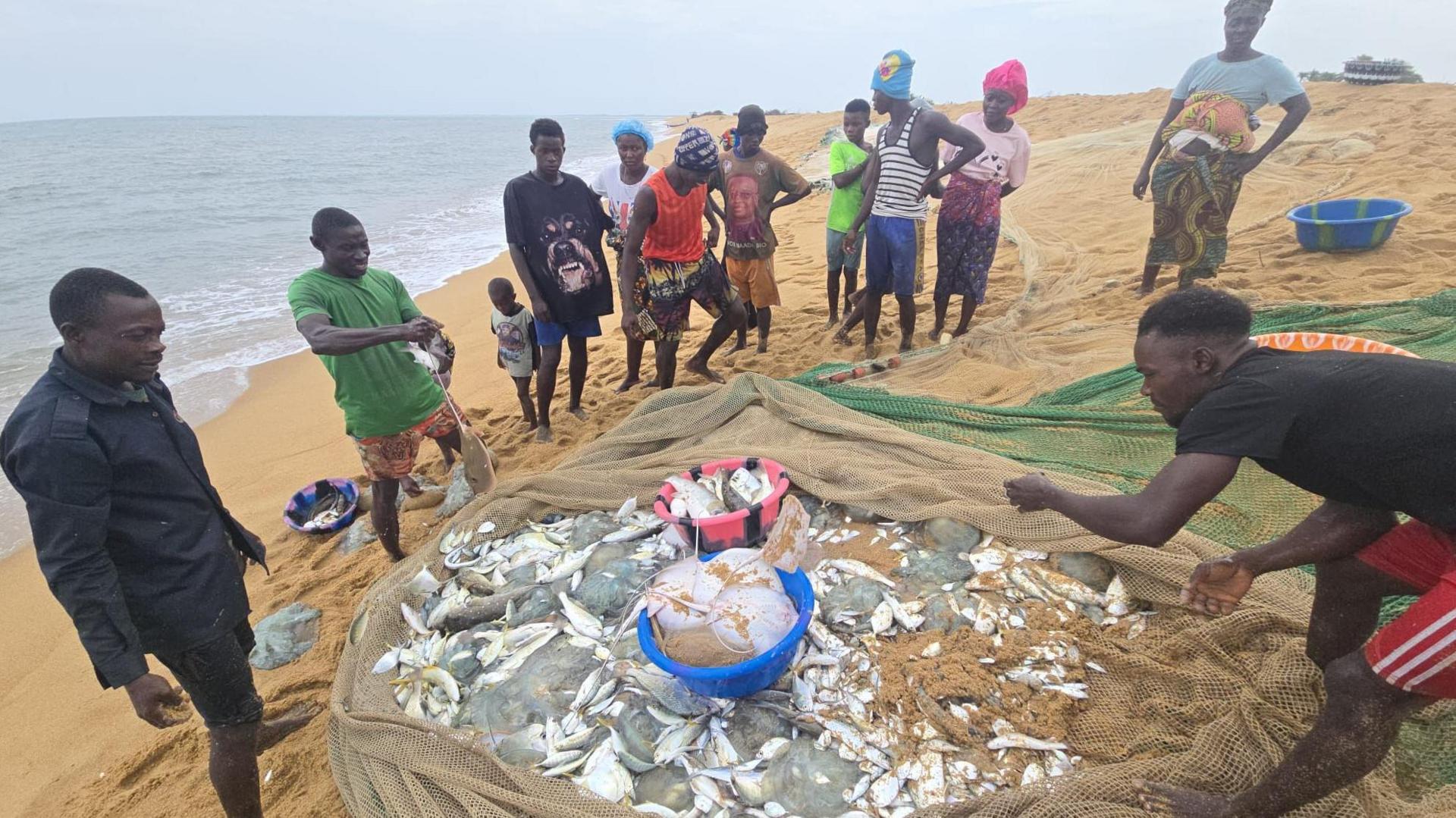
The quiet stretch of the Atlantic off Sierra Leone’s Sherbo Island has become a battleground for fish that can no longer meet the high expectations of a fishing community that has relied on the sea for generations.
Over the past decade, residents say their daily catch of snapper, mackerel, barracuda and even rays has plunged by roughly 40%—a crunch that public officials attribute to the overwhelming presence of large, foreign trawlers. Local fisherman Musa Gassimo recounts nights when, after hauling in lines, stolen nets are found sliced in the dark, forcing replacements that can cost up to $250 (about £189) each.
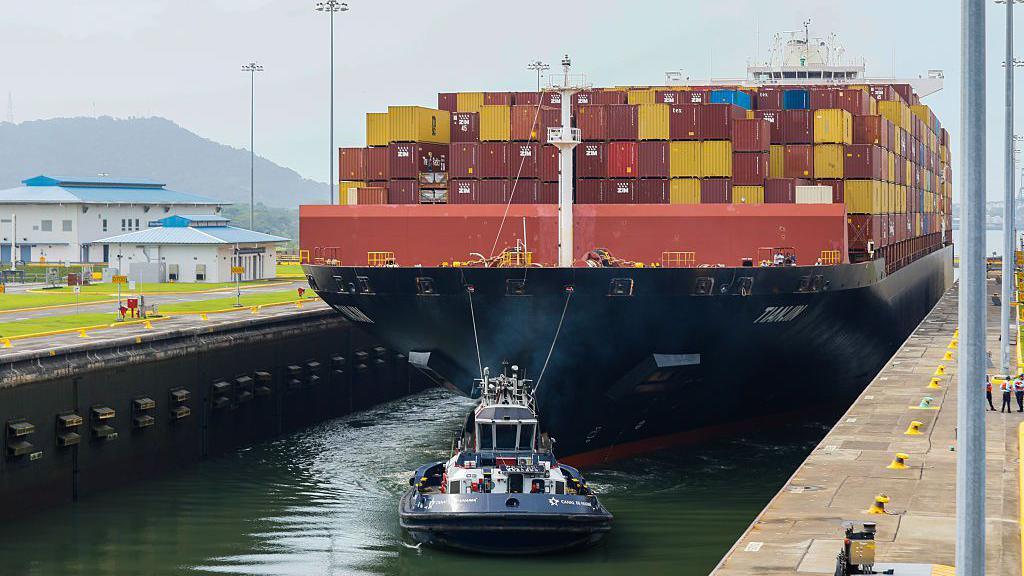
"Large Chinese trawlers keep entering our waters, violating the seven‑mile exclusion zone officially put in place, and they come in the night to cut our lines," Musa writes. Other fishermen echo the same story: Abou Waisissé once witnessed his nets damaged by a passing international vessel; Mohamedi Kamara’s boat narrowly avoided collision with a mega‑ship in 2023.
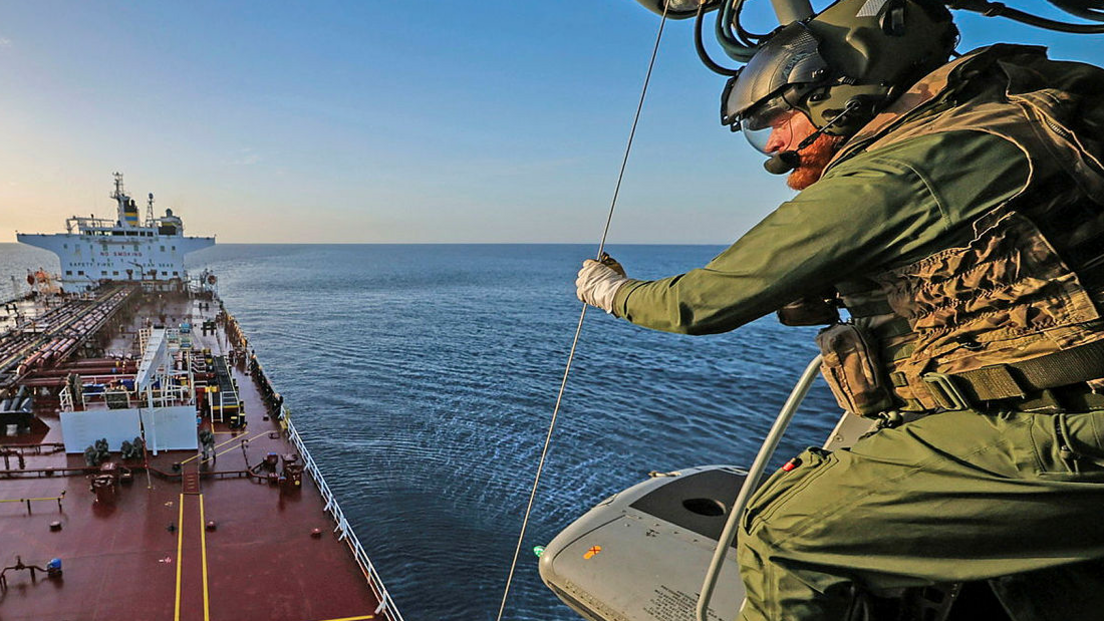
The Sierra Leone Ministry of Fisheries claims to have introduced mandatory transponders and routine inspections to curb illegal activities, yet the governing bodies admit few concrete penalties have been enforced in the last decade. Sheku Sei, director of the ministry, argues that “transponders and inspections are preventing further devastation,” but offers no evidence of actual deterrent actions.
According to a 2024 global report, West Africa bears roughly 40% of all unlicensed fishing worldwide, costing the region about $10 bn in lost revenue and threatening food security on a massive scale. The study notes that the majority of these illegal fishing vessels are Chinese, marking a shift from past South Korean, Taiwanese or European fleets.
Environmental Justice Foundation director Steve Trent criticises the Chinese government’s “head‑in‑the‑sand” approach, calling for stronger international pressure and consumer awareness. Trent proposes better vessel tracking and global accountability as layers of control, stressing the importance of transparent supply chains that might ultimately pressure consumers to reject fish harvested illegally.
The conflict is more than a back‑and‑forth between boats; it’s a desperate plea from a community that depends on the sea for survival, placed against a backdrop of multinational economic interests that prioritize profit over stewardship.