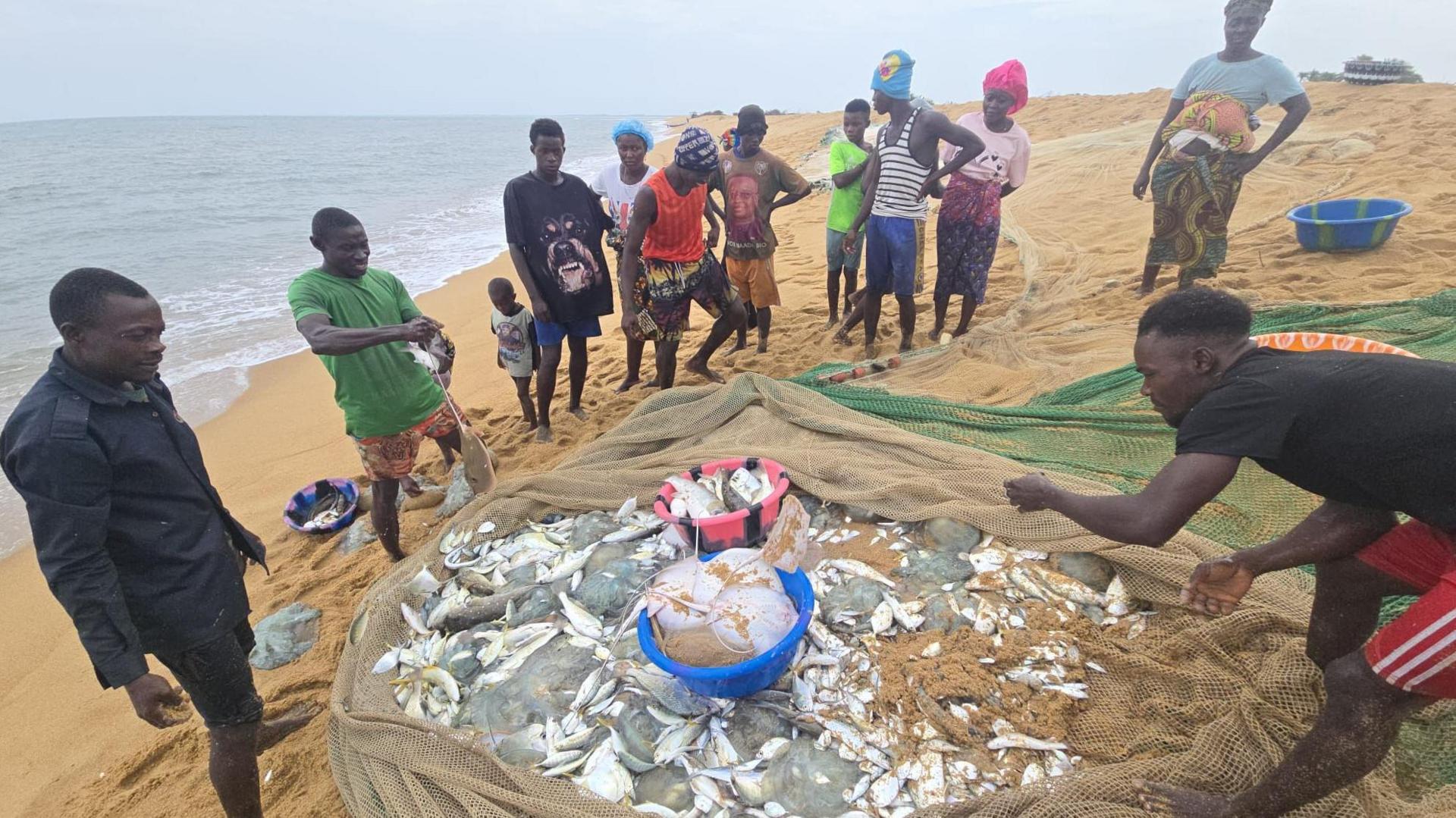
On Sherbo Island, a small community on Sierra Leone’s coast, fishermen have traditionally hauled in their nets with a dozen or more hands right onto the beach.
In recent years the catch has shrunk, and villagers point the finger—almost unanimously—at the large foreign trawlers that drift past their waters. “The nets are losing on the line,” says 34‑year‑old Marie Pierre, who now picks sardines from battered nets left in the sea. She insists the trawlers are entering an official exclusion zone and that their illegal activity is worsening every day.
The impact isn’t only ecological. 38‑year‑old fisherman Musa Gassimo tells BBC reporters that the trawlers lay in their nets at night, deliberately cutting the lines and costing local fishermen as much as $250 each time they have to replace them. 40‑percentage‑point losses in catches have left some villagers doubting their future.
West Africa is a global hotspot for illegal fishing. A 2024 report found that about 40 % of the world’s unlicensed catch comes from the region, wiping out an estimated $10 billion in revenue and endangering food security for millions. Thomas Turay, president of Sierra Leone’s Fishermen’s Union, estimates his members’ average haul has dropped 40 % in the last decade and blames corruption and a lack of enforcement as the main culprits.
According to environmental‑justice campaigner Steve Trent, the majority of vessels in the area are Chinese. “China has been subsidising its fleet while its authorities give little oversight,” he argues. Trent calls for better vessel tracking, stricter penalties and consumer pressure to curb the unsustainable practice.
Sierra Leone’s fisheries department insists that all international ships carry transponders and that inspectors patrol regularly. Sheku Sei, a ministry director, reiterates that the seven‑mile exclusion zone carries a solid deterrent, though he admits no fines have been applied in the last decade. He added that “no comprehensive evidence of transponder manipulation has surfaced in our waters.”
The Chinese government has denied allegations in other regions, insisting it enforces its fishing laws and collaborates with partners “in accordance with international law.” Yet the voices on‑shore suggest that without robust surveillance and decisive penalties, the problem is likely to grow, putting the nation’s fishers, cuisine, and income at risk.
What can be done? Industry experts argue that consumers who purchase seafood products can influence outcomes: choosing sustainably sourced fish or demanding better enforcement of maritime rules. As the West African coast faces an escalating ecological drain, the need for visibility and accountability has never been tighter.