In brief
The UK government has defended the boarding and seizure of the Russian oil tanker MT Smyrtos in the English Channel, arguing that the vessel was part of a shadow fleet used to bypass sanctions. After the operation in June, the tanker was detained near Weymouth while its crew were repatriated. President Vladimir Putin warned western powers that should they continue seizing vessels, Russia would retaliate “wherever we deem appropriate”. The UK Ministry of Defence stresses that the seizure was in line with international law and aimed at disrupting Russia’s war‑financing activities. The EU has also stepped up pressure, sanctioning more than 630 shadow fleet vessels and seizing multiple tankers suspected of evading sanctions.
Britain says it seized the Russian oil tanker MT Smyrtos after Vladimir Putin threatened retaliation.
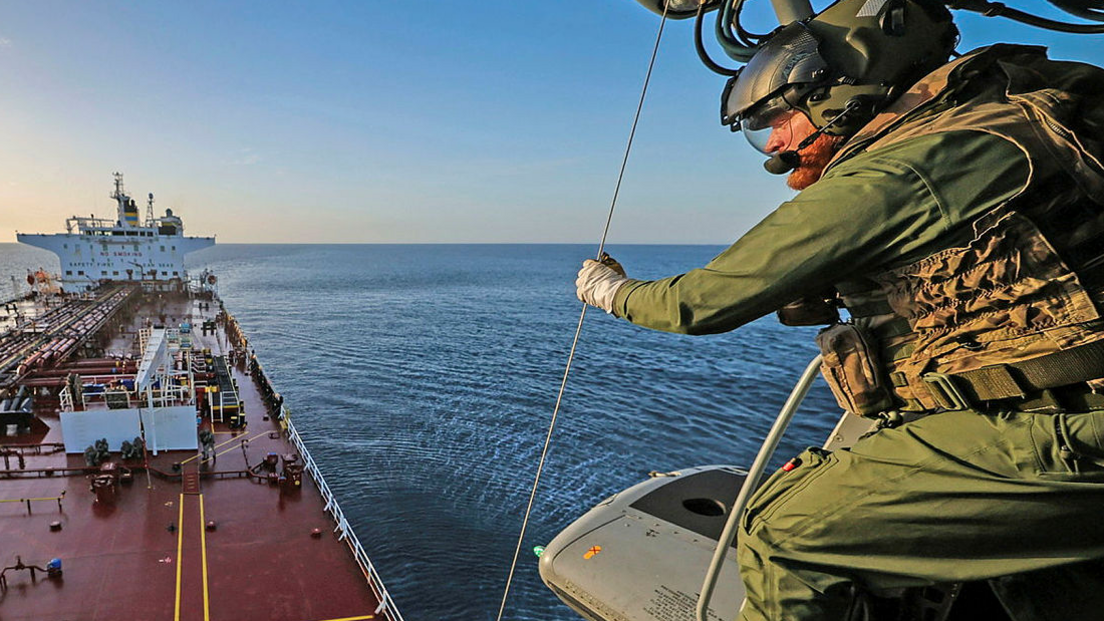
The tanker was seized in June after Royal Marine Commandos boarded it while it was anchored off Weymouth. The vessel’s captain, Ajay Pant, has been charged with breaching Russian sanctions for allegedly supplying or delivering prohibited Russian oil.
Putin accused Western countries of “seizing” Russian ships and called such actions “piracy” in a speech from the Pacific fleet. He warned that any further seizures would invite retaliation wherever deemed appropriate.
The UK Ministry of Defence argues the operation followed international law and sought to disrupt Russia’s shadow fleet, which is said to carry 75% of sanctioned Russian oil. The fleet uses complex ownership structures to conceal its links to Russia.
In response, the UK government has highlighted that its forces and vessels operate fully within maritime law, contrasting them with Russia’s alleged shadow fleet.
The vessel remains detained by the Department of Transport near Weymouth with the owner maintaining supply responsibilities, and most of the crew has already returned home.
Europe has intensified pressure on Russia, sanctioning more than 630 shadow fleet vessels as of August 2026 and conducting boardings that deter the movement of oil from sanctioned sources.