In brief
The UK’s nationalisation of British Steel has triggered a sharp response from China, which says the move violates the rights of its investor Jingye Group and could damage bilateral trade links. The UK government cited job protection and national security as reasons for its takeover, but critics warn that the cost drains millions each day and the policy risks crossing a diplomatic red line. With new Prime Minister William (Andy) Burnham on the cusp of office, the UK faces a delicate balancing act between safeguarding its steel capacity and keeping China’s investment confidence intact.
China has strongly opposed the UK government’s decision to nationalise British Steel, stating it “firmly opposes and is strongly dissatisfied with the British government’s decision”. The Chinese Commerce Ministry called the move a serious infringement on Jingye Group’s legitimate rights and a severe undermining of confidence for Chinese companies investing in the UK.
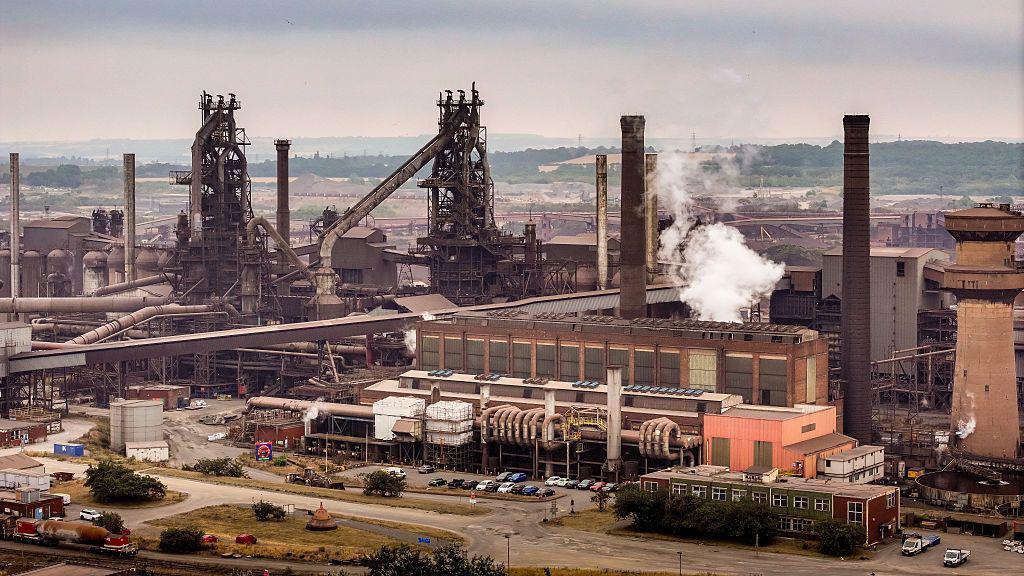
London said the takeover was needed to protect jobs and safeguard a “vital national capability.” The government took control of the company’s Scunthorpe operations last year, but the company remained under Chinese ownership, limiting its ability to steer the firm’s future.
Jingye Group has reportedly suffered losses of around £700,000 a day before nationalisation, and the Chinese state has said it will seek compensation. A UK spokesperson said negotiations had been held with Jingye but that “it wasn’t possible to reach an agreement that represented value to the taxpayer.”
The Chinese statement warned it would monitor developments closely and support Chinese firms to protect their rights, although it refrained from specifying what that would entail. Beijing’s anger comes at a time when UK-China relations are already under strain, and the incoming Prime Minister William “Andy” Burnham could face a test of policy at the same time as he moves to Downing Street.
The bilateral investment treaty signed in 1986 was designed to promote and protect investment between the two countries. The UK government says the nationalisation was authorised by Parliament under a public interest test, but it is unlikely the government will run the business in the long term given the daily cost of more than £1 million.
British Steel employs roughly 2,700 people at Scunthorpe and underpins thousands more across the supply chain. Although the UK imports most of its steel, it retains the only domestic capacity to produce certain high‑grade alloys needed by Network Rail and the building sector.
The steelworks’ blast furnaces produce types of steel that are not yet made anywhere else in the country. The government’s long‑term strategy is for all domestic steel to come from electric arc furnaces, which recycle scrap metal and are less carbon‑intensive, but it does not want to lose production at Scunthorpe until alternatives are available.
The National Audit Office says the plant has cost the government about £1.3 million a day, and Business Secretary Peter Kyle told the BBC that the government would cover the running costs for the immediate future. The decision to keep the plant running reflects the NHS strategy to avoid any disruption in the UK’s steel supply chain, preserving the country’s industrial autonomy.
For China, the crisis represents a potentially significant diplomatic rift at a time when the UK is looking to maintain a careful balance between the benefits of Chinese investment and the need to protect its own national interests.
The bilateral investment treaty, which remains in force, is now being scrutinised as a possible tool for Beijing to intervene in the critical matter of state ownership and foreign investment risks.