In brief
Families of the victims of last year's fatal airliner and Army helicopter collision are urging Congress to pass a bill requiring both broadcasting and receiving locator systems for aircraft near busy airports. A Senate hearing is set to discuss recommendations from the National Transportation Safety Board, emphasizing that such technology could have prevented the disaster. Despite overwhelming support, cost concerns hinder immediate legislative action.
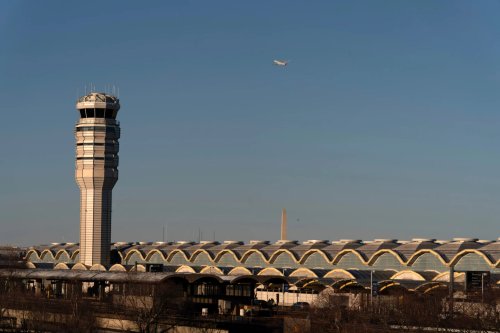
Key senators and families of the 67 dead in an airliner collision with an Army helicopter near the nation’s capital believe that advanced locator systems recommended for nearly two decades could have prevented last year’s tragedy. However, it remains uncertain if Congress will mandate these systems around busy airports.
The Senate Commerce Committee plans to hold a hearing to underscore why the National Transportation Safety Board has been advocating since 2008 for aircraft to be equipped with both a location broadcasting and a location receiving system. Currently, only the broadcasting system is mandated.
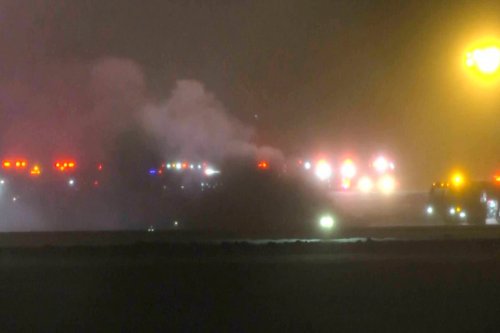
All on board the helicopter and the American Airlines jet flying from Wichita, Kansas, including 28 members of the figure skating community, perished when the aircraft collided and fell into the icy Potomac River.
The Senate has unanimously approved a bill requiring both types of Automatic Dependent Surveillance-Broadcast systems necessary for aircraft operating near busy airports. Yet, leaders from critical House committees appear inclined to draft a more comprehensive bill to address all NTSB recommendations rather than passing the ROTOR Act.
While ADS-B out systems broadcasting an aircraft's location are compulsory, ADS-B in systems, which receive and display location data, are not standard across all aircraft.
Had the American Airlines jet been equipped with an ADS-B in system, the NTSB asserts, the pilots might have been alerted sooner to the nearby Black Hawk helicopter's location, which had climbed unexpectedly into their path. This situation could have allowed them to take evasive action before impact.
The receiving systems would have given nearly a minute's warning compared to the mere 19 seconds available through the existing collision-avoidance system, provided the helicopter’s broadcasting unit was functional. Unfortunately, it was not operational during the crash.
Tragedy Could Have Been Prevented
The potential for enhanced locator systems to mitigate systemic failures identified by the NTSB has led to a strong endorsement from NTSB Chairwoman Jennifer Homendy and Transportation Secretary Sean Duffy. Family members, such as Amy Hunter, whose cousin perished along with his family in the crash, find it unconscionable that the necessary changes haven’t been implemented sooner.
Consequently, following the incident, the FAA instituted several precautionary measures, barring helicopters from flying the route during aircraft landings at Reagan National Airport. The anniversary of this tragic event has been a painful period for families, especially as the Winter Olympics remind them of dreams cut short.
Cost Concerns for Plane Owners
One major obstacle to implementing these safety measures is the cost associated with upgrading aircraft. Some airlines may face prohibitive expenses in outfitting older jets with the new technology. In contrast, most small aircraft already utilize affordable or portable devices that access location data.
Tim Lilley, a grieving father who lost his son in the crash, argues that a ban on certain routes is insufficient and emphasizes the value of the proposed systems, stating, “If those recommendations had been fully realized, this accident wouldn’t have happened. I don’t know what value we put on human life, but 67 lives would still be here today.”