WASHINGTON (AP) — Republican Sen. Ted Cruz is advocating for new restrictions on military flights to be approved before government funding expires at the end of next month, aiming to prevent future midair collisions like the tragic one over Washington, D.C., that resulted in the deaths of 67 individuals in January.
Cruz, alongside Democratic Sen. Maria Cantwell, held a news conference Monday with families of victims to denounce particular provisions in a large defense bill expected to pass this week. These provisions would permit military aircraft to operate without broadcasting their precise locations, akin to how they operated prior to the January 29 tragedy involving an airliner and an Army helicopter.
The senators are determined to remove these provisions, but altering the bill would necessitate sending it back to the House, which could potentially delay salary increases for military personnel and other significant provisions. Cruz indicated that he would seek to apply restrictions on military flights through a government funding package next January.
“I’m requesting a vote on the ROTOR Act as part of any appropriations measure before the current continuing resolution expires at the end of next month,” Cruz stated. The ROTOR Act stands for “Rotorcraft Operations Transparency and Oversight Reform.”
The debate surrounding the defense bill provisions has reignited discussions on air safety near the national capital. Before the January collision, military helicopters regularly traversed the densely populated airspace around Washington without using a critical system called ADS-B to announce their locations. The Federal Aviation Administration made it mandatory for all aircraft to do so from March onwards.
Key stakeholders, including National Transportation Safety Board Chairwoman Jennifer Homendy, senators, airlines, and major transportation unions, have sharply criticized the defense bill's new helicopter safety stipulations.
Cruz expressed concern that the provision was inserted abruptly, reverting measures enacted under President Donald Trump and Transportation Secretary Sean Duffy aimed at improving airspace safety around D.C.
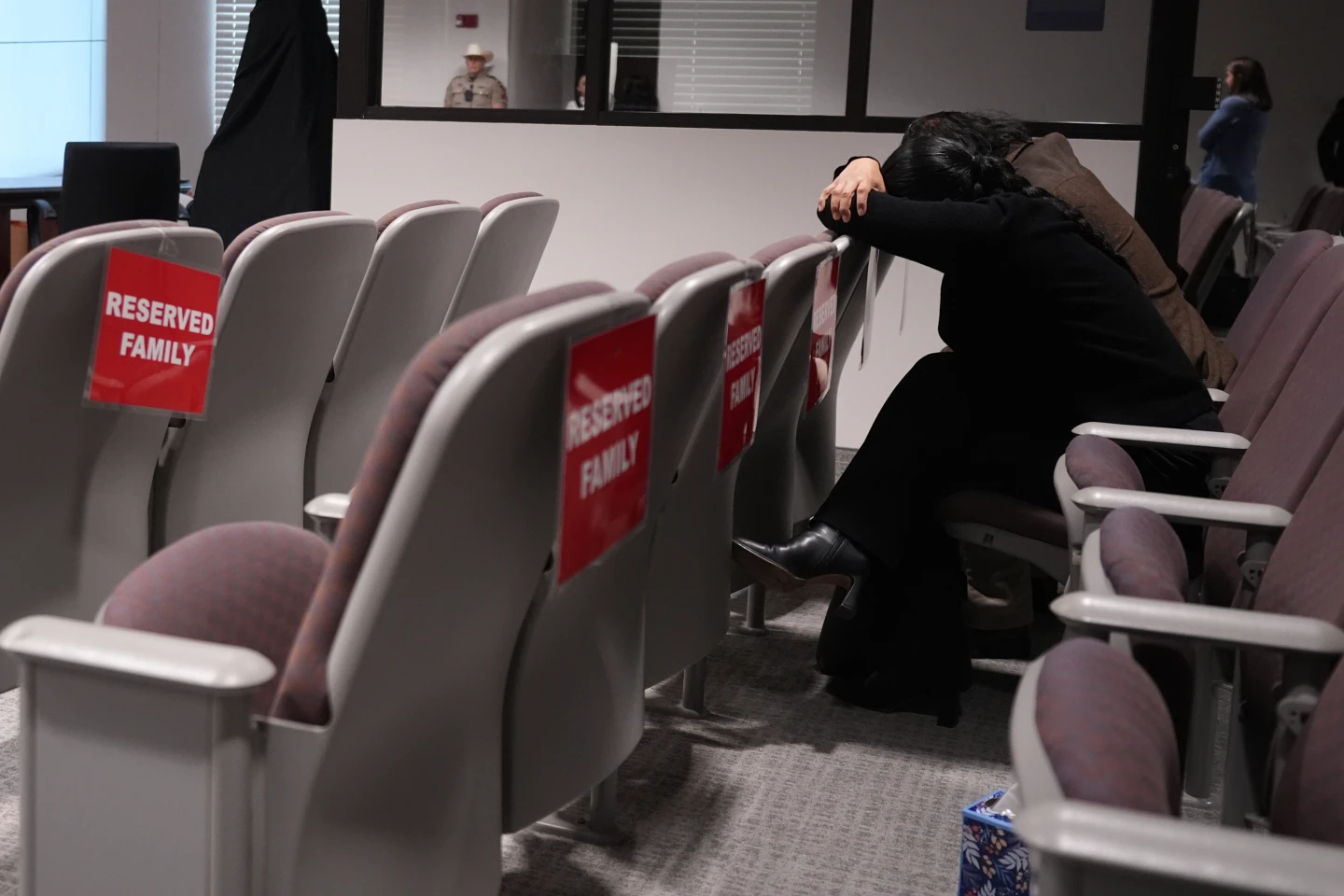
The families of the crash victims warned that weakening these safeguards could reverse the advancements made in aviation safety. Amy Hunter, who lost family members in the crash, noted that past administrations had implemented safety recommendations, but the current trajectory endangers that progress.
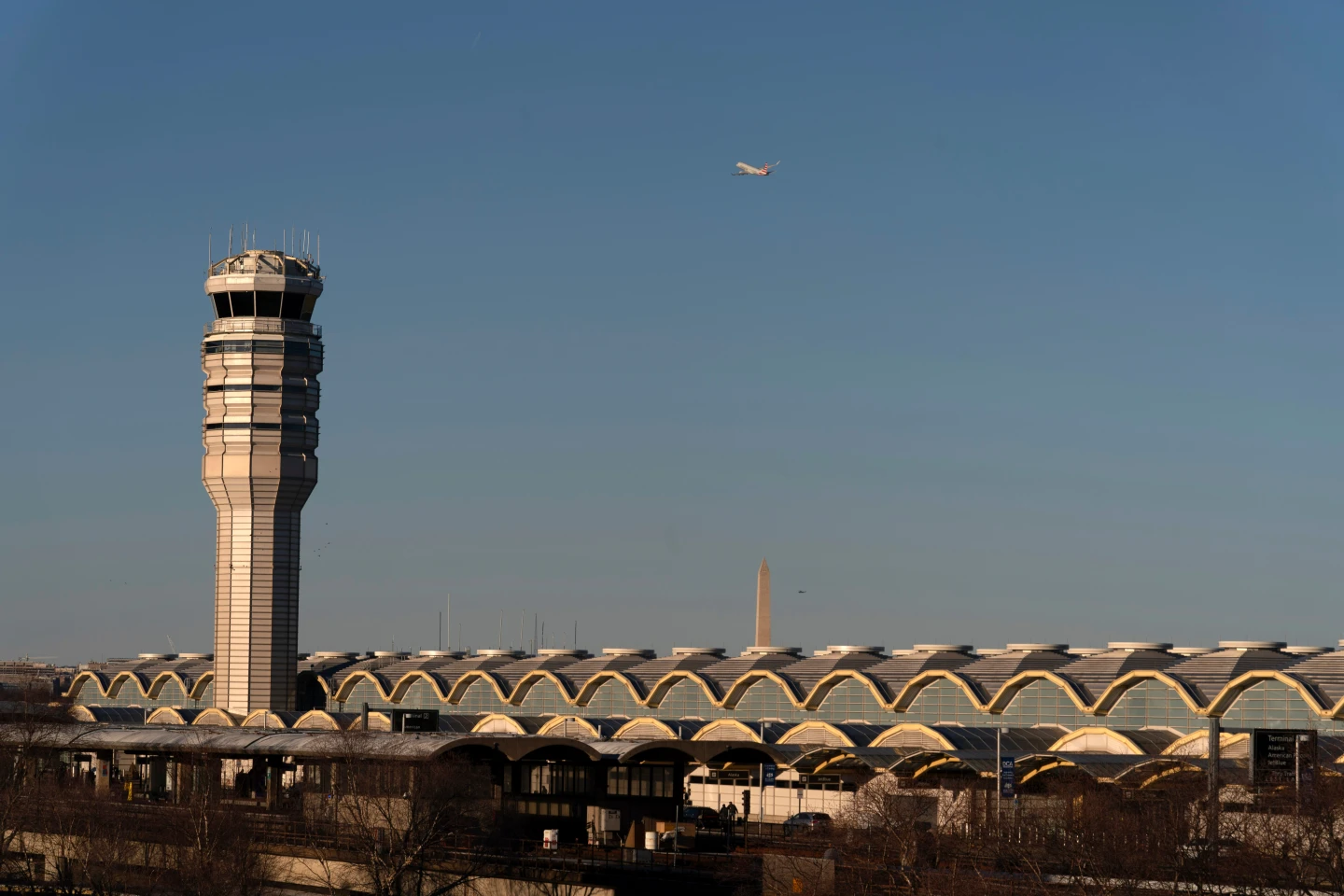
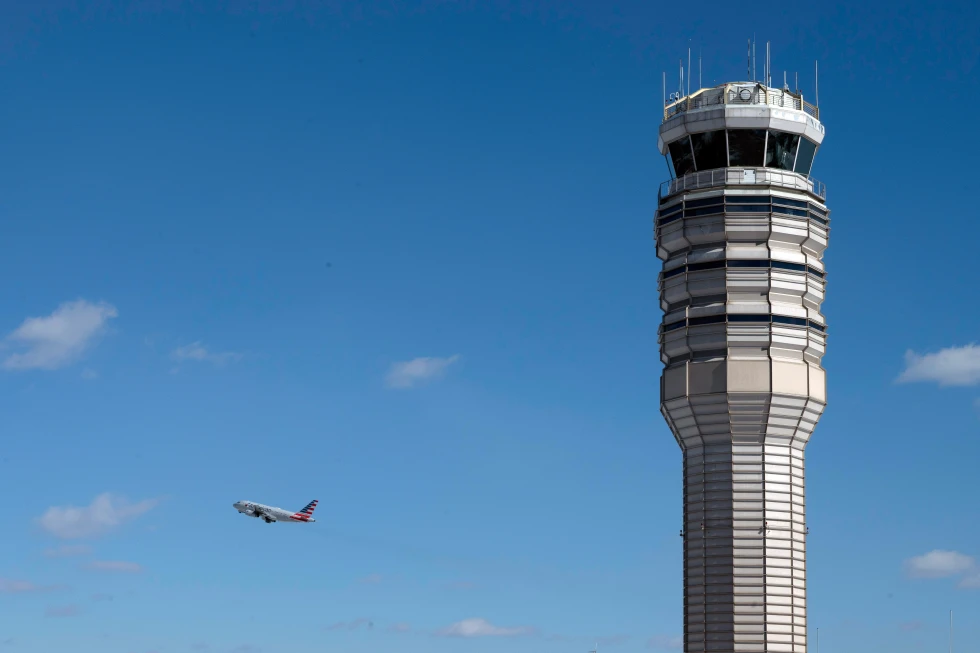
Although the NTSB's final report on the cause of the crash is due next year, preliminary investigations have highlighted numerous serious concerns regarding safety in air traffic around Ronald Reagan National Airport, where sample instances predated the crash.
The bill Cruz and Cantwell proposed aims to enforce that all aircraft must transmit their locations, receiving backing from the White House, the FAA, and NTSB, significantly bolstered by advocacy from the victims’ families.
Senate Majority Leader John Thune expressed hope that Cruz and Cantwell's air safety legislation could be incorporated into the ongoing funding package discussions before the holiday recess. However, undoing the defense authorization bill could prove arduous.
This story has been updated to clarify earlier reporting that falsely suggested Cruz threatened a federal government shutdown over the military flight restrictions.