In brief
Recovery efforts are underway as authorities confirm all individuals onboard the aircraft have perished in a tragic incident during bad weather conditions.
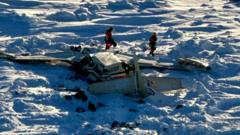
Crews are diligently working to recover the bodies of the ten victims from a Cessna Grand Caravan that crashed in Norton Sound, Alaska. The aircraft lost radar contact while en route from Unalakleet to Nome, resulting in a fatal descent approximately 34 miles southeast of Nome, which is home to approximately 3,500 residents along Alaska's west coast. Jennifer Homendy, chair of the National Transportation Safety Board (NTSB), stated the investigation is still in its preliminary phase, and it is too early to establish the cause of the crash. Among the deceased were Rhone Baumgartner and Kameron Hartvigson, both employees of the Alaska Native Tribal Health Consortium, who had flown to Unalakleet for maintenance work at a water facility, as reported by the non-profit on Friday. During a press briefing in Anchorage, Alaska's most populated city, Homendy expressed her condolences, emphasizing that recovery remains the primary focus of the operation, despite deteriorating weather hampering efforts. The wreckage is reportedly situated on an ice floe that is shifting at five miles per day. Bering Air, the operator of the downed aircraft, extended its sympathies and vowed to assist in the ongoing investigation. Alaska State Troopers reported they received notification of the aircraft being "overdue" around 16:00 local time on Thursday. The Nome volunteer fire department revealed that the pilot had informed air traffic control of an intention to hold while waiting for the runway to be cleared. However, the US Coast Guard later indicated that the plane had rapidly lost altitude and speed before communications ceased. Visual evidence showed poor visibility in the region at the time of the incident. Senator Lisa Murkowski of Alaska expressed her sorrow online, stating, "Alaska is a big small town. When tragedy strikes, we're never far removed from the Alaskans directly impacted." Governor Mike Dunleavy also expressed his heartbreak over the lost flight, conveying his thoughts and prayers to the victims and their families.The distance between Unalakleet and Nome spans approximately 150 miles across the Bering Sea's Norton Sound.