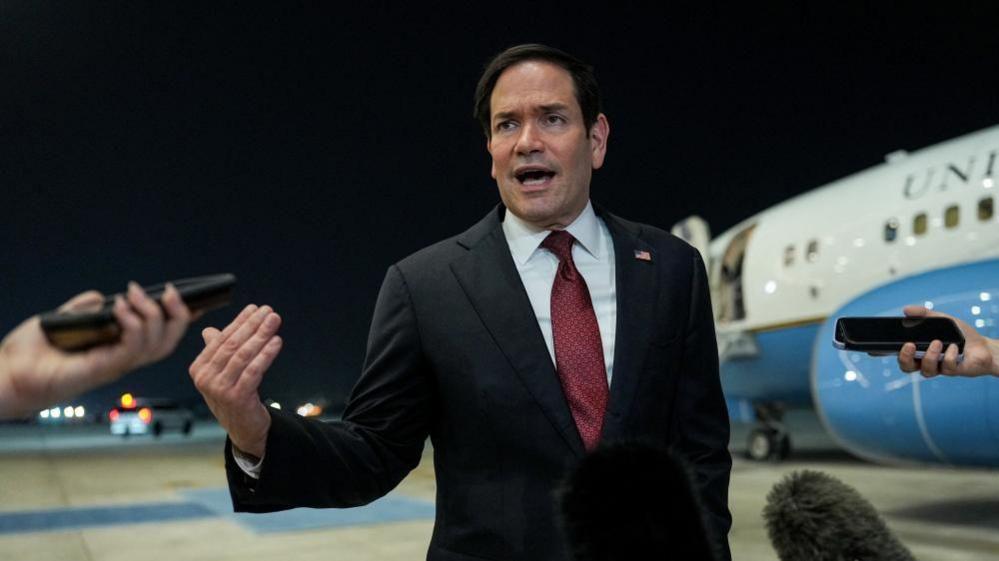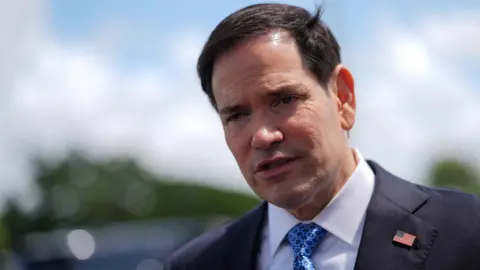
In a stark diplomatic escalation, US Secretary of State Marco Rubio has declared Cuba a 'national security threat' to the United States, stating the likelihood of a peaceful resolution between the two nations is 'not high.' His comments came during a press briefing at Homestead Air Reserve Base Thursday, May 21, 2026, just one day after the US charged Cuba's former president Raúl Castro with murder over the 1996 downing of two aircraft that killed US nationals.
Rubio emphasized that while diplomacy remains Washington's 'preference,' he cautioned that 'given who we're dealing with right now, the likelihood of that happening is not high.' The Secretary of State also accused Cuba of being 'one of the leading sponsors of terrorism in the entire region,' a claim immediately dismissed by Cuban Foreign Minister Bruno Rodríguez as 'lies' on social media. Rodríguez further condemned Rubio for 'trying to instigate a military aggression' and accused the US of 'ruthlessly and systematically attacking' Cuba.
The indictment of Raúl Castro has intensified a longstanding Cold War-era rift. Acting Attorney General Todd Blanche announced the charges in Miami Wednesday, stating Castro 'will show up here, by his own will or another way.' When asked how the US would transport Castro to face charges, Rubio declined to elaborate, saying, 'I'm not going to talk about how we're going to get him here.'
Meanwhile, Cuba grapples with severe humanitarian crisis. The island nation is enduring fuel shortages and extended blackouts due to an effective US oil blockade, coupled with food shortages that have worsened over recent months. Despite these challenges, Rubio confirmed Cuba accepted a US humanitarian aid offer of $100 million.
President Donald Trump framed the situation as an opportunity for 'helping a failed country.' Speaking to reporters, he declared Cuba 'a failed country' and stated his administration was 'trying to help them on a humanitarian basis.' Trump also echoed Cuban-American sentiment, noting that 'Cuban-Americans want to go back to their country' and help Cuba 'succeed,' adding, 'Other presidents have looked at this for 50, 60 years doing something and it looks like I'll be the one that does it.'
The US stance has drawn sharp international criticism. Russia and China condemned the indictment of Castro, with analysts noting parallels to Trump's controversial actions against Venezuelan President Nicolás Maduro. As Cuban citizens face worsening shortages, the diplomatic standoff threatens to deepen humanitarian suffering while raising questions about the US government's approach to Latin America's most enduring Cold War legacy.}
Rubio emphasized that while diplomacy remains Washington's 'preference,' he cautioned that 'given who we're dealing with right now, the likelihood of that happening is not high.' The Secretary of State also accused Cuba of being 'one of the leading sponsors of terrorism in the entire region,' a claim immediately dismissed by Cuban Foreign Minister Bruno Rodríguez as 'lies' on social media. Rodríguez further condemned Rubio for 'trying to instigate a military aggression' and accused the US of 'ruthlessly and systematically attacking' Cuba.
The indictment of Raúl Castro has intensified a longstanding Cold War-era rift. Acting Attorney General Todd Blanche announced the charges in Miami Wednesday, stating Castro 'will show up here, by his own will or another way.' When asked how the US would transport Castro to face charges, Rubio declined to elaborate, saying, 'I'm not going to talk about how we're going to get him here.'
Meanwhile, Cuba grapples with severe humanitarian crisis. The island nation is enduring fuel shortages and extended blackouts due to an effective US oil blockade, coupled with food shortages that have worsened over recent months. Despite these challenges, Rubio confirmed Cuba accepted a US humanitarian aid offer of $100 million.
President Donald Trump framed the situation as an opportunity for 'helping a failed country.' Speaking to reporters, he declared Cuba 'a failed country' and stated his administration was 'trying to help them on a humanitarian basis.' Trump also echoed Cuban-American sentiment, noting that 'Cuban-Americans want to go back to their country' and help Cuba 'succeed,' adding, 'Other presidents have looked at this for 50, 60 years doing something and it looks like I'll be the one that does it.'
The US stance has drawn sharp international criticism. Russia and China condemned the indictment of Castro, with analysts noting parallels to Trump's controversial actions against Venezuelan President Nicolás Maduro. As Cuban citizens face worsening shortages, the diplomatic standoff threatens to deepen humanitarian suffering while raising questions about the US government's approach to Latin America's most enduring Cold War legacy.}