In brief
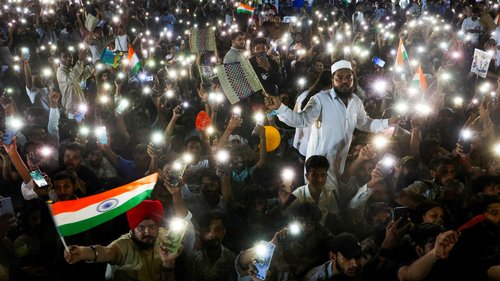
Thousands of Delhi residents joined opposition leaders on Barakhamba Road in a protest calling for the resignation of Chief Election Commissioner Gyanesh Kumar, who is accused of manipulating voter rolls to favour Prime Minister Narendra Modi’s BJP. The movement is part of a broader string of demonstrations that saw police detain thousands, including journalists, and block key transit routes. Rahul Gandhi and other Congress leaders had already transmitted a memorandum to Chief Justice Surya Kant, but the Supreme Court declined a meeting, citing that the issues were already pending. The CJP, involved in recent protests that led to a minister’s resignation, plans further actions but faces heavy police restrictions. The scene was marred by reports of violence against protesters, prompting the press freedom organisation Reporters Without Borders to condemn the detentions.
Opposition parties from across India converged on Delhi’s Supreme Court building today, demanding the resignation of Chief Election Commissioner Gyanesh Kumar amid allegations of voter roll manipulation.
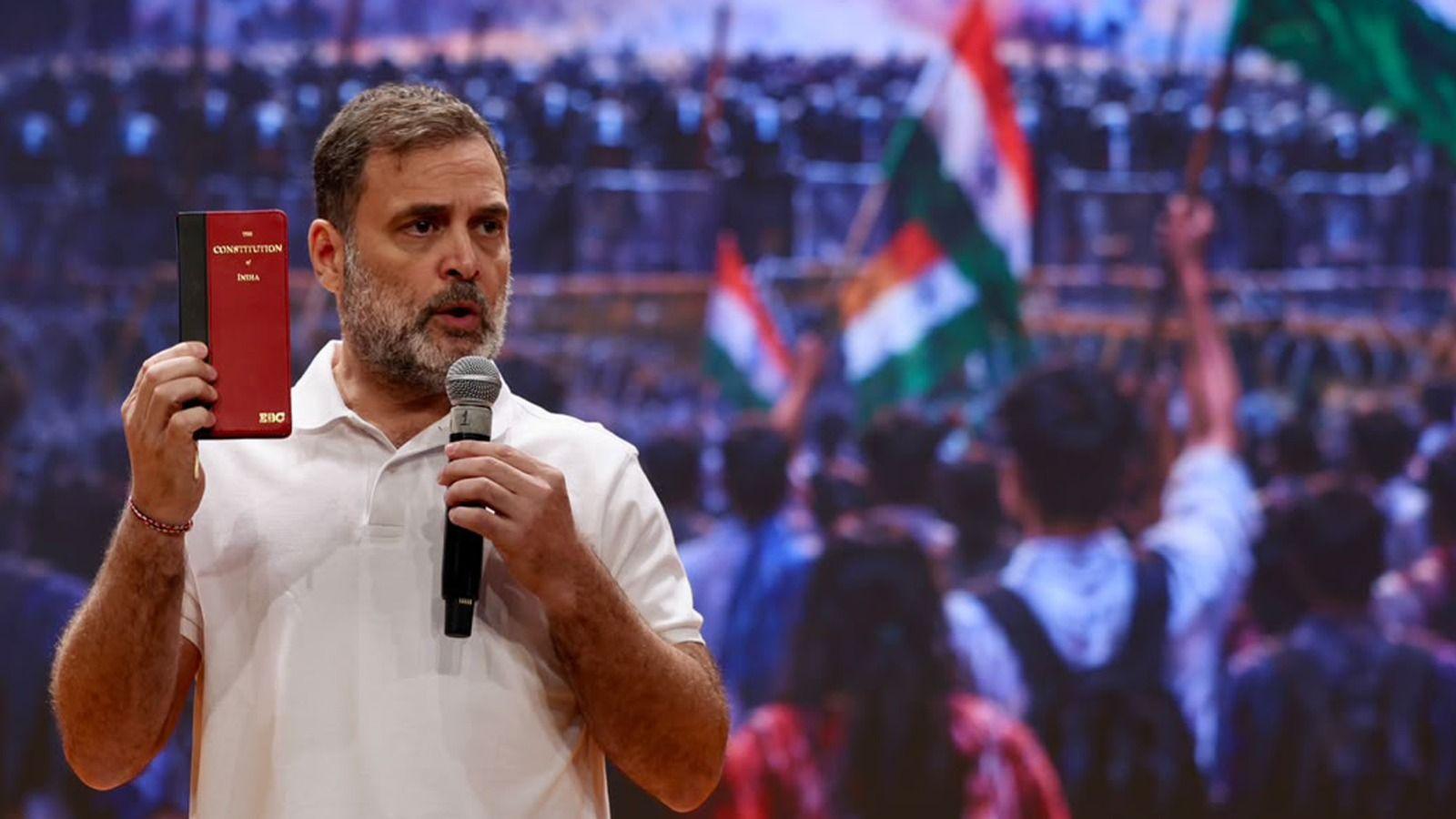
The march began on Barakhamba Road as a bus carrying Congress MP Rahul Gandhi and other leaders pulled into the area around 15:30 local time. Supporters, many holding flags, joined in, chanting names and waving signs that called for electoral integrity.
Opposition leaders cite recent changes to the electoral register as evidence that the BJP, led by Prime Minister Narendra Modi, may have gained an unfair advantage. The Election Commission has denied such claims, and the BJP has similarly rejected the allegations.
The Supreme Court, headed by Chief Justice Surya Kant, had refused a meeting with the opposition, saying the issues raised were already pending before the court. Kant assured reporters that citizens retain the right to approach the court and that concerns will be addressed under law.
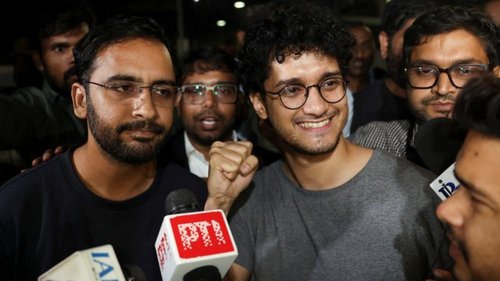
Near the courthouse, a small convoy carried Rahul Gandhi, while a left‑wing student leader, Neha Bora, was seated a few rows behind him. Their presence underscores the protest’s appeal to young Indians who describe their motivations as driven by love and not hatred.
The demonstration followed a nationwide wave of protests. Police deployed thick security lines, blocked key metro stations, and restricted traffic on major roads. Some journalists were detained, and footage circulating on social media shows police forcibly dragging activists into transport vehicles.
Reporters Without Borders condemned the detention of at least 16 Indian journalists, calling it an unacceptable assault on press freedom. The Delhi Police did not comment on the incident.
BJP President Nitin Nabin accused the opposition of destabilising the nation “at the behest of foreign forces” without naming those forces. The protest continues, with organisers preparing stricter measures to keep the march moving amid heavy police presence.