In brief
Delhi’s Jantar Mantar, long a gathering point for marches and rallies, has been declared no longer a designated protest venue by the police. The move follows the spectacular upheaval of new‑generation “Cockroach Janta Party” demonstrations that toppled the education minister and a recent attempt to topple the election chief. Critics warn the decision will push dissent farther from Parliament and into venues that can cost tens of thousands of rupees per day. A Supreme Court hearing is underway, while activists say the space belongs to the people and will be reclaimed.
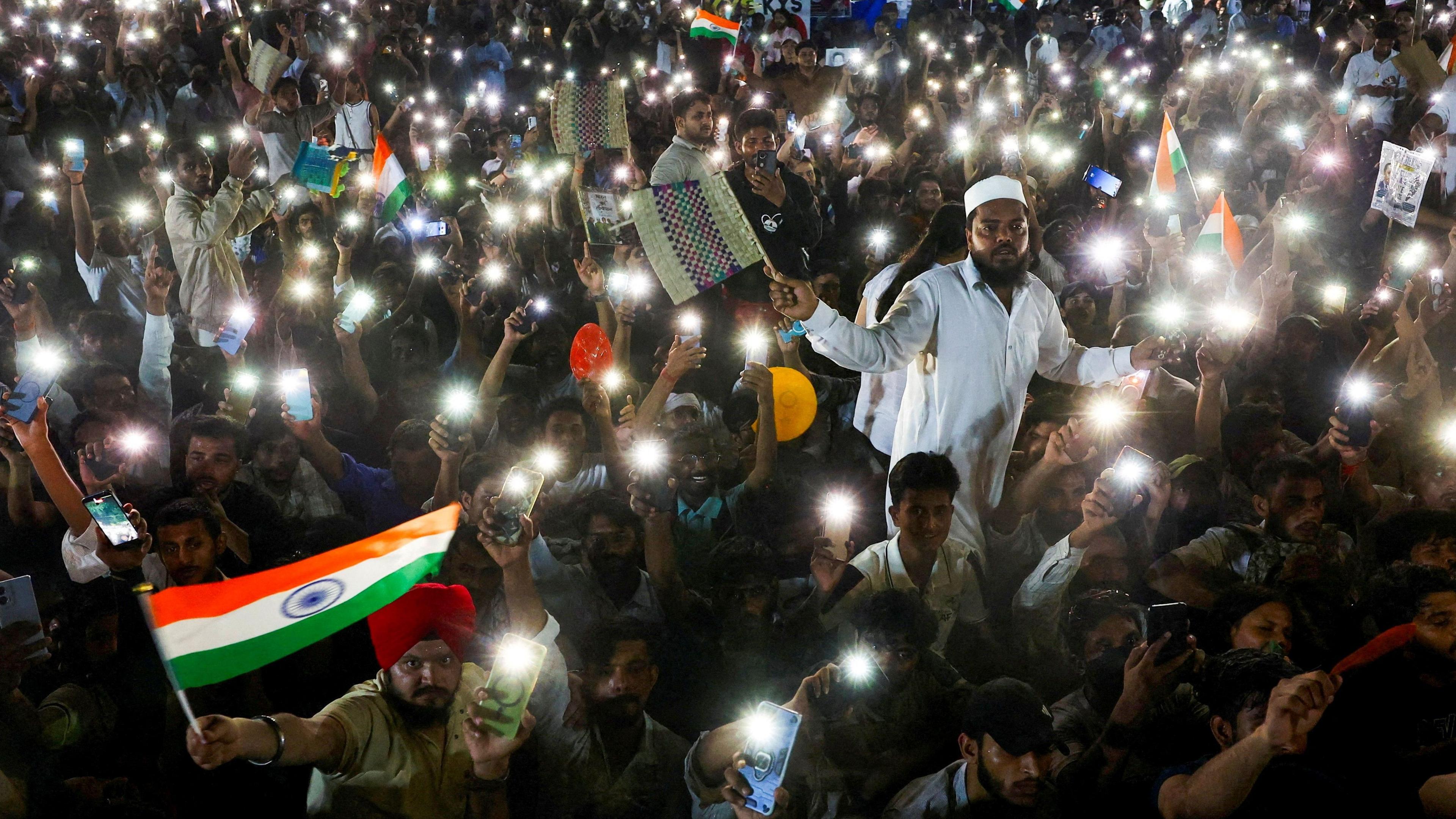
For over three decades, the trees and open lanes beside Delhi’s 18th‑century astronomical observatory have echoed with slogans, fists, flags and the lights of thousands of mobile phones. Until recently, it was the closest barometer of anger to Parliament house, allowing citizens to shout directly into the ears of lawmakers. Now the police have declared the area no longer a legal protest zone, citing a Supreme Court order to identify alternative sites with better infrastructure.
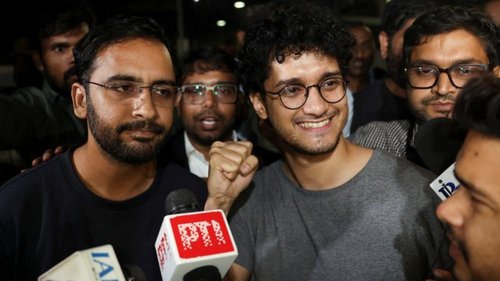
The ruling follows the “Cockroach Janta Party” – a Gen Z‑led collective that began as satire but turned into a mass movement. In the summer of 2026, the group’s thousands‑strong march forced the resignation of Education Minister Dharmendra Pradhan. When the same activists attempted to march for the resignation of the election chief last week, police used batons and tear gas to disperse them.
The new policy now directs demonstrators to three other locations, two of which sit far from the seat of power and a third, the Ramlila Ground, normally booked months in advance. All three charge a fee that can reach several tens of thousands of rupees per day, raising concerns that only a privileged few can afford to voice dissent. Critics argue this will dilute the immediacy of protest, pushing it further from the politicians who need to listen.
Historically, Jantar Mantar has hosted a wide range of movements: from the 1984 Bhopal gas leak survivors’ month‑long protests, through the 2015 retired soldiers’ demand for a pension scheme, to the 2006 hunger strike of Medha Patkar, founder of the Narmada Bachao Andolan. Its proximity to Parliament, the Press Club and the Constitution Club made it a natural staging ground for media coverage and political dialogue.
In recent years, stricter rules have made overnight stays impossible and demand permits only on the day of the march. All these changes have come at a time when the Supreme Court is reviewing petitions that challenge the removal. Opposition leaders, including Rahul Gandhi, argue the site is a public space and should belong to the people.
As protests around Delhi’s borders and in neighbourhoods like Shaheen Bagh continue, many are wondering whether a quiet Jantar Mantar will echo again. The next months will test if the city’s protest culture can survive the new restrictions or will find a new, perhaps less accessible, home.
Images courtesy of BBC, Reuters and Getty Images.