In brief
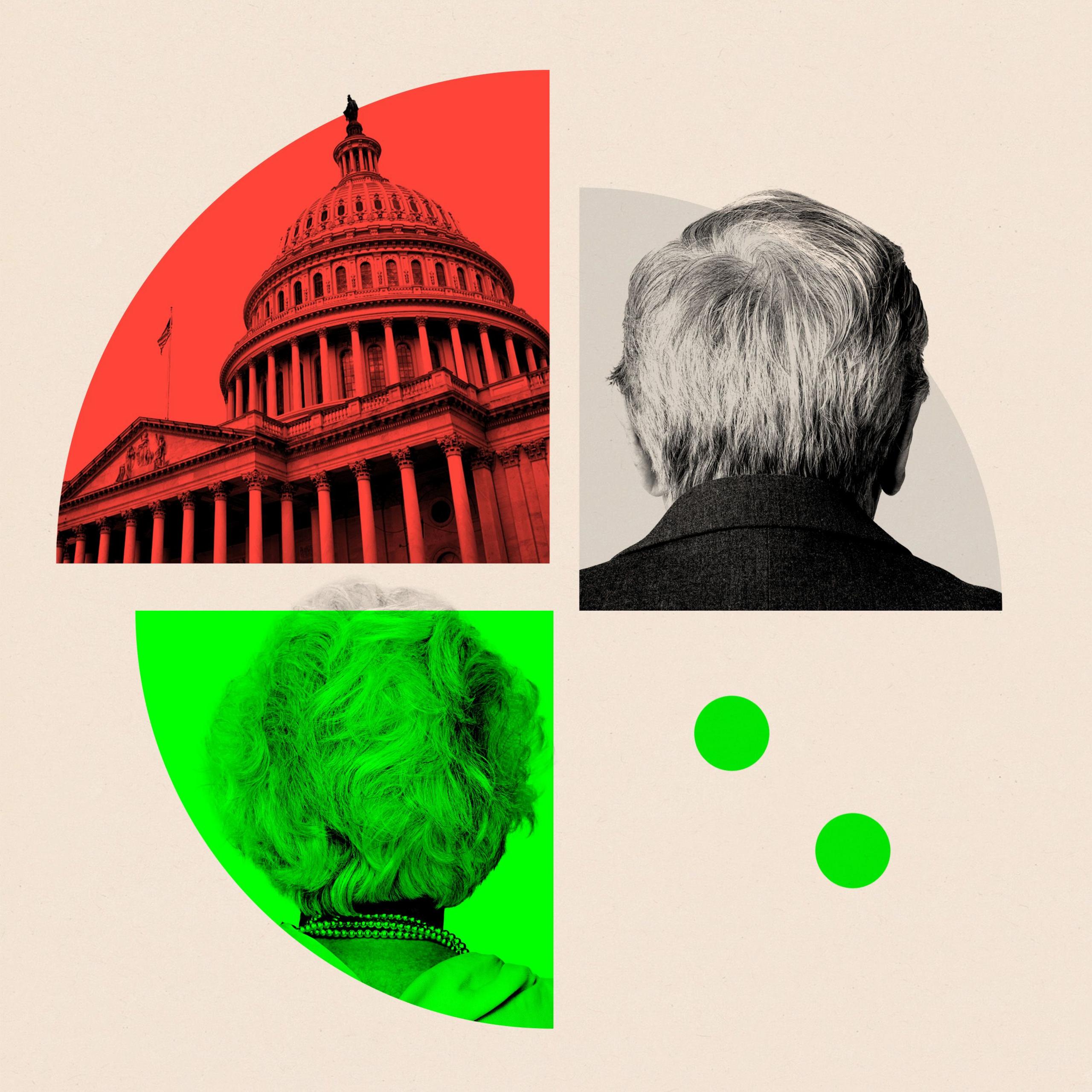
The United States sees a growing ‘gerontocracy’ in Congress, with power held by legislators far older than the general public. Veteran lawmakers such as 88‑year‑old Rep. Hal Rogers have remained in office for decades, while new Gen Z aspirants like Utah’s Riley Owen try to challenge the status quo. The debate over age raises questions about health, representation, and the impact of wealth on campaigning. Yet experts argue that age alone is a poor predictor of competence, and that a broader mix of backgrounds could rejuvenate American politics.
In the U.S. Congress, age is no longer a rarity. The newest members sit beside the most seasoned, can be two or three decades older than the average adult. The longevity of lawmakers is a double‑edge sword – experience on one side and concerns over health, vitality and representation on the other.
The Long‑Living Majority
Rep. Hal Rogers of Kentucky, 88, is the longest‑serving House member, having joined in 1981. He remains a powerful voice in agriculture, even as he competes against challengers far younger than himself. A tangle of support networks, seniority rules and name recognition keeps senators like Chuck Grassley, 93, and former president Donald Trump, 80, on the political map.
Young Voices on the Horizon
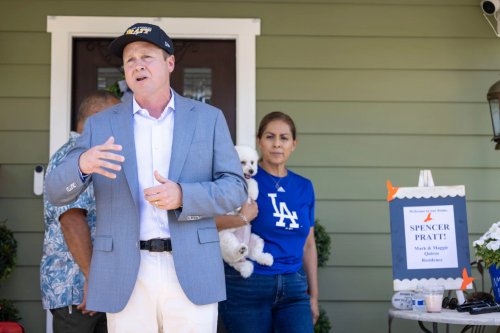
Amid the senior crowd, a handful of Gen Z candidates are making noise. Utah’s Riley Owen, 27, cites paid maternity leave, stock‑trade restrictions and climate policy as his rallying points, arguing Washington must adopt fresh ideas to stay relevant. Meanwhile, in New York, Zoe Mamdani, 34, broke generational records to become the city’s youngest mayor, showing that age is not a verdict on capability.
Financial resources largely favor old‑guard incumbents. Owen’s war chest of roughly $150,000 pales against out‑of‑state fund‑raisers who have raised millions for rivals, illustrating how money can keep younger hopefuls in the shadows.
Health, Honesty and the Immune to Change
Public concern grows over the physical fitness of aging leaders – Joe Biden’s 82‑year‑old presidency, Mitch McConnell’s 84‑year‑old absence after medical treatment, and Maxine Waters’ 88‑year‑old tenure exemplify the debate. Scholars now argue that an older age does not automatically mean cognitive decline; some elders bring wisdom and experience that can serve voters well.
The Youth‑Voter Disconnect
Pew studies show a rise in disengaged young voters, who distrust elected officials and question the relevance of their own voices. The minimum age requirements of 25 for House and 30 for Senate, critics say, keep younger perspectives out of the political arena, deepening the divide.
Re‑imagining Representation
Experts call for broader diversities beyond age – gender, race, sexual orientation and religious background – to reflect the nation’s mosaic. While the USA’s two‑party system may restrain alternative voices, other democracies demonstrate that multi‑party structures can incorporate protest movements and infuse new ideas into policymaking.
Whether politicians trade their names for fresh knowledge or loyalty for renewal is still unresolved, yet every election season brings renewed debate. Age itself is not a litmus test; the questions lie in how that age translates into leadership, transparency and responsiveness to an evolving electorate.