In brief
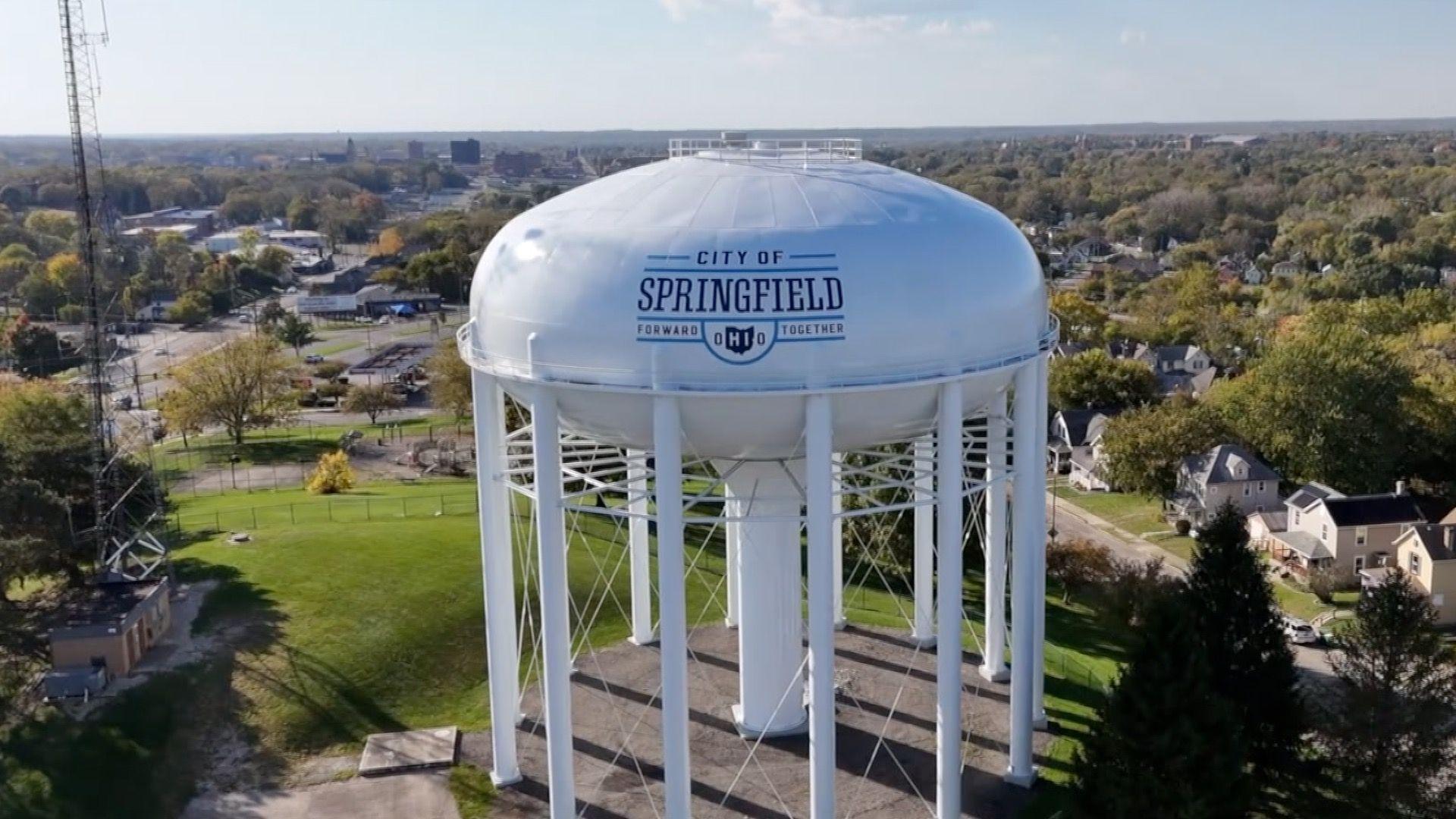
Springfield, Ohio, once a symbol of industrial decline, became a hub for around 20,000 Haitian migrants who sought refuge under Temporary Protected Status. Their presence sparked both economic renewal and heightened tension, culminating in a tragic death that drew attention to ICE ankle‑monitor programs. President Trump’s rhetoric framed the town as a victory for law‑and‑order, while local residents and activists highlight the human cost of policy shifts. The town’s fate now sits at the heart of the 2026 mid‑term elections, reflecting broader national debates over immigration and civil rights.
Springfield, Ohio: a town reshaped by migration and politics
The once shuttered factories of Springfield now echo with Haitian voices. Since 2020, roughly 20,000 Haitians moved here, many fleeing the 2010 earthquake and 2021 political turmoil. Under Temporary Protected Status (TPS), they took low‑pay jobs, re‑fueling local economies that had been hollowed out by de‑industrialisation.
Tensions flared when President Donald Trump, at a rally, declared the town “getting its town back” after announcing a mass deportation of TPS holders. His claims—some describing Haitians as “eating pets”—were discredited, yet the rhetoric has stoked anti‑immigrant sentiment among certain voters.
The drama reached a mourning point when 20‑year‑old Pierre Damas Bel died after walking toward oncoming traffic near Springfield. He had been fitted with a monitored ankle tag by Immigration and Customs Enforcement (ICE) as part of an alternatives‑to‑detention program. His family and community leaders say the tag’s humiliation contributed to his fatal rashness.
Outside Bel’s grief, Springfield’s residents are split. Some, like former Marine Rick Johnson, view the community’s expansion as a threat to “American values,” while others, like Paschur Castelly, a Haitian‑origin grocer, stress how the loss of TPS threatens small businesses and jobs.
The town sits at a pivotal political juncture, as Ohio shifts between Republican and Democratic control heading into the 2026 mid‑term elections. Trump’s case at the Supreme Court that upheld the TPS termination demonstrates how national policy can have life‑changing ramifications for individuals in everyday towns.