In brief
Oil prices slipped by more than 9% on Monday as the United States and Iran paused military strikes, sparking speculation that a restored ceasefire could stabilize market turbulence. Brent crude dipped below $88 a barrel, a sharp reversal from last week’s surge above $100. The pause follows the US ambassador’s statement that attacks were halted for two consecutive nights to create space for dialogue. An Iranian spokesperson echoed the cessation of retaliatory moves. The standoff’s impact—especially on the Strait of Hormuz—remains unclear, as market analysts warn that any lingering tension could resurrect high fuel costs and broaden inflationary pressures.
Oil prices fell by more than 9% on Monday amid a renewed pause in hostilities between the United States and Iran, offering a glimmer of relief to markets that had feared a return of heightened supply disruptions.
Brent crude, the global benchmark for petroleum, slipped below $88 a barrel after last week’s rise above $100, marking a pronounced market turnaround.
The decline followed the US ambassador to the United Nations announcing that the U.S. had halted attacks on Iranian targets for a second consecutive night to “give talks some space.” A reply from an Iranian army spokesperson confirmed that Tehran had stopped retaliatory operations in response.
The conflict earlier this year had previously forced oil prices to surge, following the effective closure of the Strait of Hormuz—a key shipping route for about 20% of the world’s crude and liquefied natural gas.
When the U.S. and Iran signed a memorandum of understanding in June to pause military action and reopen the strait, the price of oil fell back to around $70 a barrel, the level seen pre‑conflict.
However, the breakdown of that ceasefire earlier in the month reignited fears of supply bottlenecks, forcing oil prices back toward higher levels.
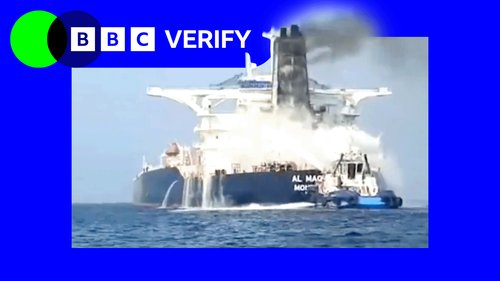
Last week, Brent crude even hit $100 a barrel for the first time since May, fueled by incidents in which Yemen’s Houthi militia targeted oil tankers in the Red Sea, a critical alternative route that Saudi Arabia uses to bypass the Hormuz passage.
Susannah Streeter, chief investment strategist at Wealth Club, cautioned that markets remain wary given each shift in the geopolitical landscape. She noted that “there is still significant uncertainty baked into these prices and a reticence about whether negotiations will lead to a lasting breakthrough.”
Beyond crude, the flare‑up between the U.S. and Iran has pushed up fuel prices such as petrol and diesel in many economies, with higher costs spilling over into food and other consumer goods as businesses pass on surges to consumers, feeding inflationary cycles.