Scientists at the South Pole have unlocked a new cosmic lens
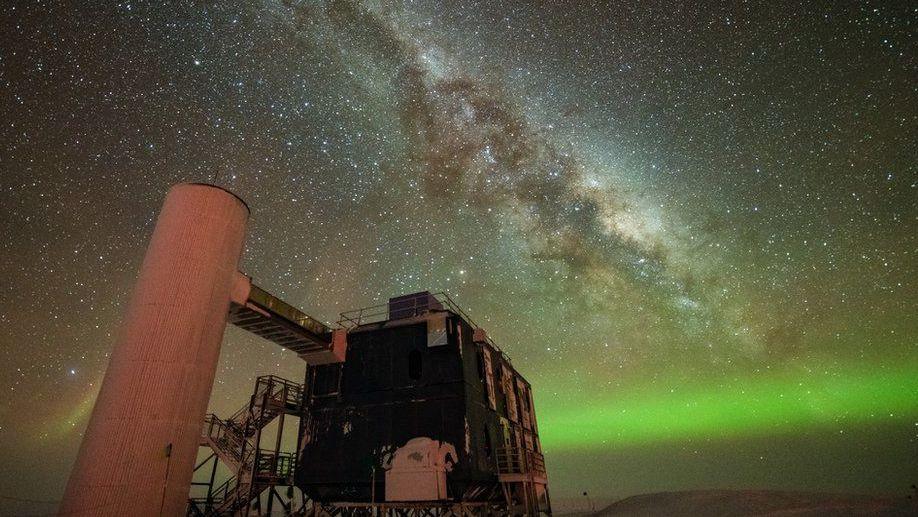
From the remote, frozen heart of Antarctica, the IceCube Neutrino Observatory stands as a testament to human ingenuity. Embedded in a cubic kilometre of clear ice are 5,160 optical modules that watch for the fleeting blue glow of a neutrino interacting with an atomic nucleus. Each glow is a whisper from the universe, bringing information that light‑based telescopes cannot receive.
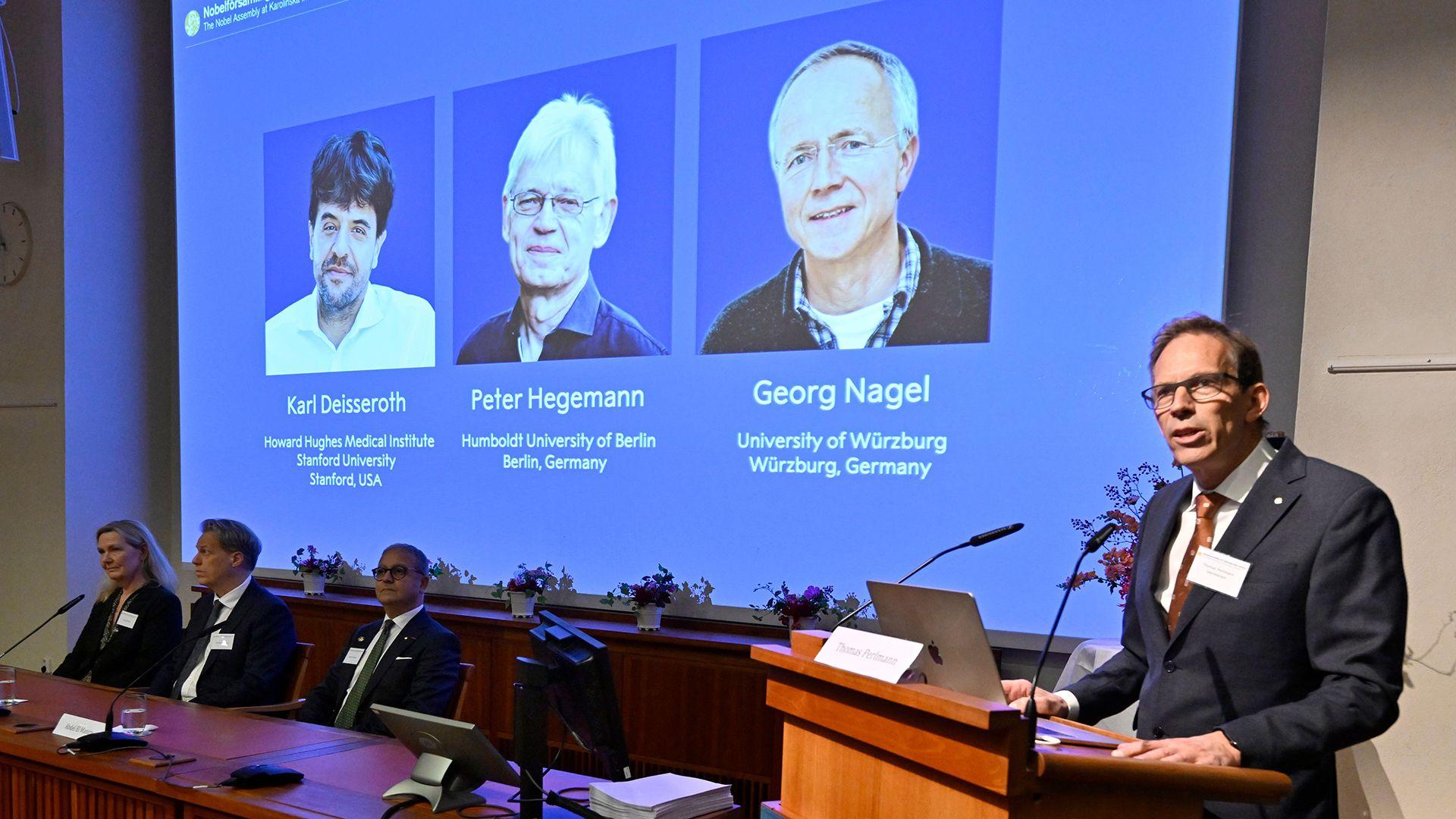
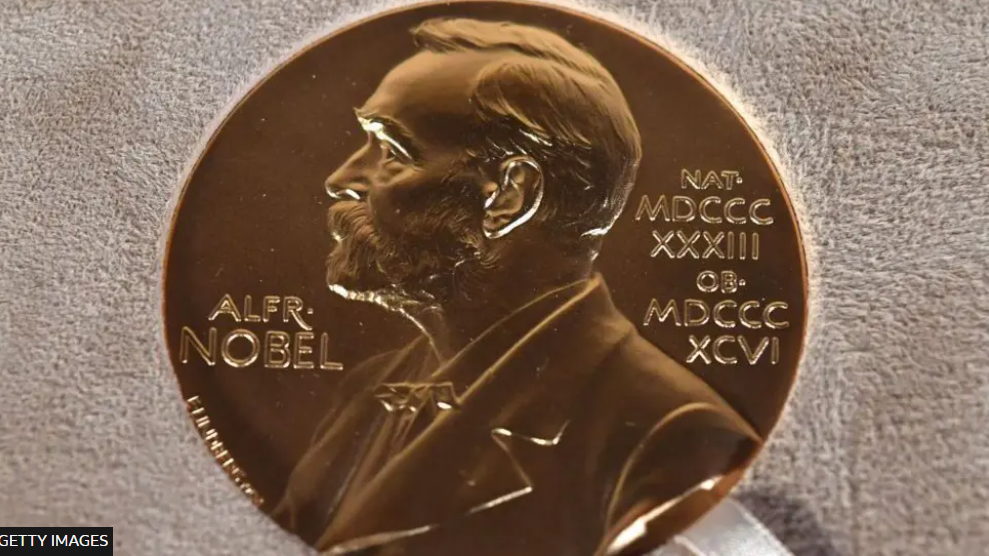
The Nobel‑winning vision
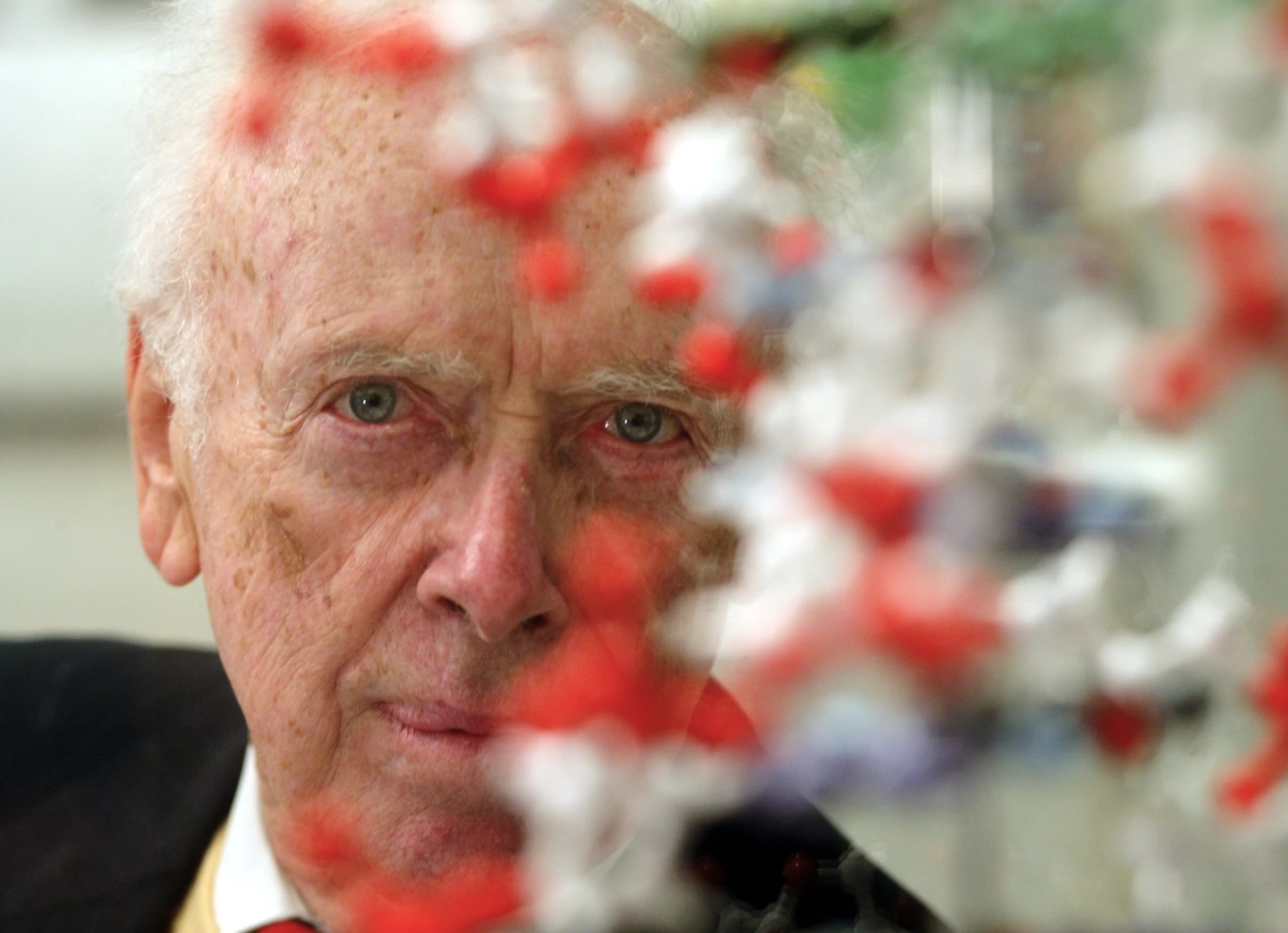
Professor Francis Halzen, born in Belgium and now a leading figure at the University of Wisconsin–Madison, proposed the IceCube concept in 1988. He imagined a massive detector at the geographic South Pole that would use the planet’s natural ice as a medium to capture the elusive particles. The ambition was met with scepticism and curiosity – but what emerged surpassed all expectations.

IceCube operates by detecting the faint bursts of photons produced when a neutrino collides with a nitrogen or oxygen atom. By triangulating the arrival times of this light across the array, scientists can reconstruct the direction and energy of the parent neutrino. The data set has already linked neutrino sources to distant astrophysical phenomena such as blazar activity and gamma‑ray bursts.
A new astronomical window
Because neutrinos carry no electric charge, they pass through interstellar magnetic fields unscathed, offering a straight‑line map to their origins. Their near‑transparent journey also means they can travel through dense, opaque regions that block visible light. Dr. Louis Barson, director of the Institute of Physics, says IceCube “has opened a new window on to our Universe.”
Co‑author Mark Pearce, Chair of the Nobel Committee for Physics, praised Halzen’s perseverance: “His tenacity and scientific vision have paved the way for a new kind of astronomy.”
Impact and future prospects
IceCube has already demonstrated its power by discovering high‑energy neutrinos from previously unknown cosmic accelerators. As detectors expand and new observatories come online, the field of neutrino astronomy is poised to answer questions about the most energetic and enigmatic phenomena in the cosmos. Halzen’s Nobel win underscores the transformative potential of marrying bold ideas with cutting‑edge technology.
For communities on the ground, IceCube’s achievements highlight how large‑scale scientific collaborations can inspire and empower local actors, and how immersive technologies can bring distant, invisible processes into clear view for audiences worldwide.