The Justice Department’s long-awaited release of records concerning Jeffrey Epstein generated more intrigue than resolution, as many of the vital documents were conspicuously absent. The initial array of disclosures spanned tens of thousands of pages but provided little new information on Epstein's transgressions or the decisions that let him escape significant federal charges for many years. Missing from the release were key FBI interviews with victims and internal memos from the Justice Department analyzing charging decisions. These records were expected to shed light on how the case was managed, particularly regarding Epstein's 2008 plea deal that allowed him to plead guilty to a minor state charge of prostitution, rather than facing federal charges.
The latest batch of files, required by a new law passed by Congress, also notably omitted references to high-profile individuals long tied to Epstein, including Prince Andrew of Britain, raising further concerns about which figures were investigated and which were not. Among the few new details released, there were insights about the Justice Department’s decision to forgo an investigation into Epstein in the 2000s, which ultimately facilitated his ability to plead to lesser charges. One distressing disclosure included a previously unseen 1996 complaint that alleged Epstein had stolen photographs of children.
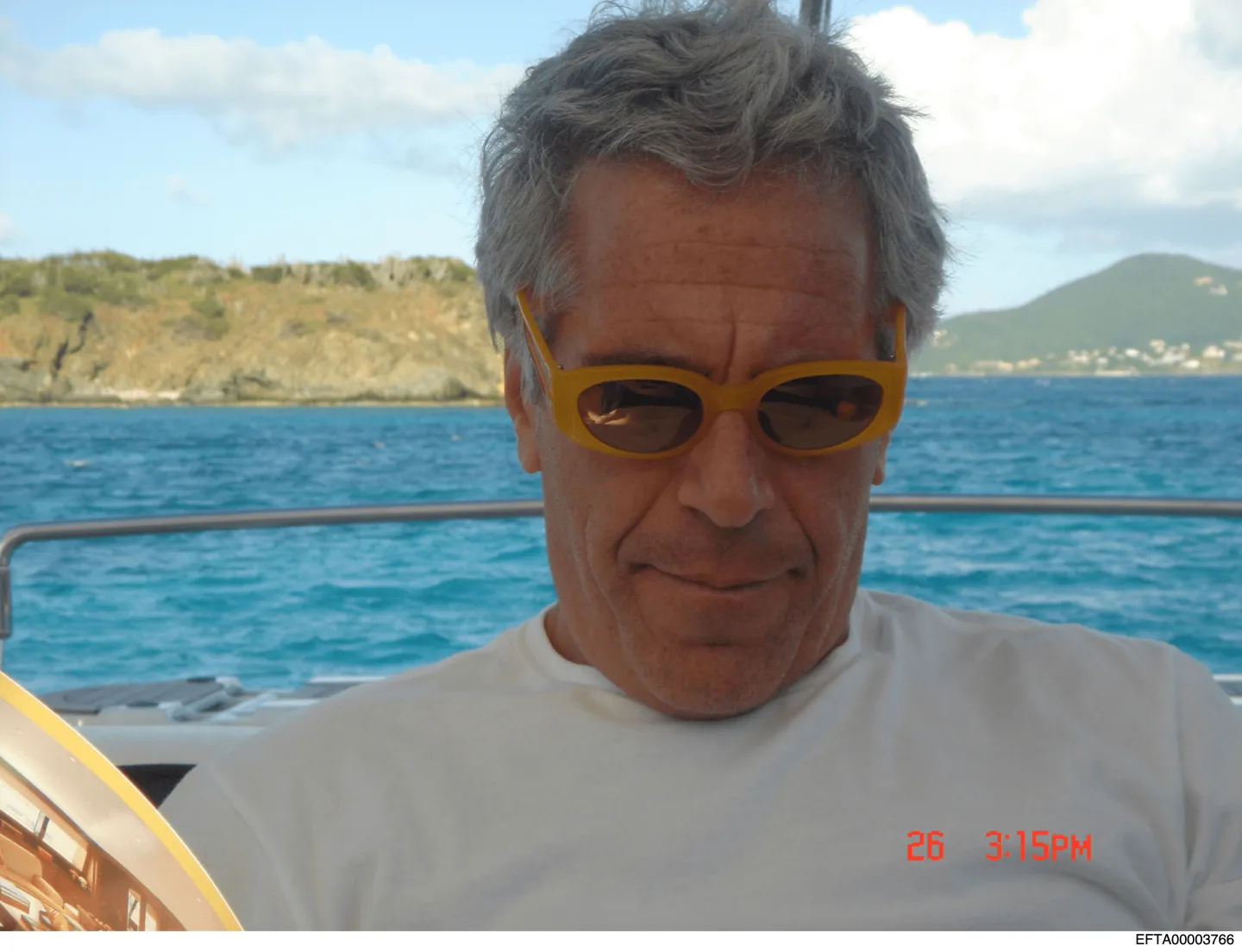
So far, the document releases emphasized photographs from Epstein's various residences and connections to celebrities and prominent politicians, yet notably few images of former President Donald Trump were included, despite both Trump and former President Bill Clinton’s associations with Epstein, which they have since downplayed.
Despite a Congressional deadline, the Justice Department announced it would continue releasing records gradually, attributing delays to the extensive process needed to redact the names of survivors and other sensitive information. This move has frustrated Epstein accusers and some members of Congress, who had sought greater transparency in the wake of Epstein's notoriety and crimes against young women and girls. The lack of complete documentation only adds to the skepticism surrounding the extent of accountability in this high-profile case.
Although federal charges were brought against Epstein in 2019 when he was arrested, they were overshadowed by Epstein’s subsequent suicide in jail. Documents now made public suggest that federal investigators had substantial evidence against Epstein as early as 2007, indicating a robust case that was never prosecuted. Transcripts released reveal harrowing testimonies from victims describing how they were coerced into sexual activities with Epstein, casting a shadow over the adequacy of past legal responses to his actions.
With incomplete records and the specter of significant undisclosed evidence still looming, the pursuit for justice regarding Epstein's extensive network of exploitation continues to invoke public outrage and demands for real accountability.
The latest batch of files, required by a new law passed by Congress, also notably omitted references to high-profile individuals long tied to Epstein, including Prince Andrew of Britain, raising further concerns about which figures were investigated and which were not. Among the few new details released, there were insights about the Justice Department’s decision to forgo an investigation into Epstein in the 2000s, which ultimately facilitated his ability to plead to lesser charges. One distressing disclosure included a previously unseen 1996 complaint that alleged Epstein had stolen photographs of children.
So far, the document releases emphasized photographs from Epstein's various residences and connections to celebrities and prominent politicians, yet notably few images of former President Donald Trump were included, despite both Trump and former President Bill Clinton’s associations with Epstein, which they have since downplayed.
Despite a Congressional deadline, the Justice Department announced it would continue releasing records gradually, attributing delays to the extensive process needed to redact the names of survivors and other sensitive information. This move has frustrated Epstein accusers and some members of Congress, who had sought greater transparency in the wake of Epstein's notoriety and crimes against young women and girls. The lack of complete documentation only adds to the skepticism surrounding the extent of accountability in this high-profile case.
Although federal charges were brought against Epstein in 2019 when he was arrested, they were overshadowed by Epstein’s subsequent suicide in jail. Documents now made public suggest that federal investigators had substantial evidence against Epstein as early as 2007, indicating a robust case that was never prosecuted. Transcripts released reveal harrowing testimonies from victims describing how they were coerced into sexual activities with Epstein, casting a shadow over the adequacy of past legal responses to his actions.
With incomplete records and the specter of significant undisclosed evidence still looming, the pursuit for justice regarding Epstein's extensive network of exploitation continues to invoke public outrage and demands for real accountability.