In brief
The death of Supreme Leader Ayatollah Ali Khamenei ignited a nationwide mourning in Tehran that fused sorrow with a hard‑line political show‑case. The 10km funeral route was clogged by millions chanting slogans against America and Israel, while government‑backed messaging dampened calls for calm. Critics said the event was more a symbol of the regime’s resolve than an expression of collective grief. Meanwhile, Iran’s leaders face fresh economic pressure and the risk of future attacks, while a new Supreme Leader—still shy of the public eye—will inherit the nation’s fragile balance between war and governance.
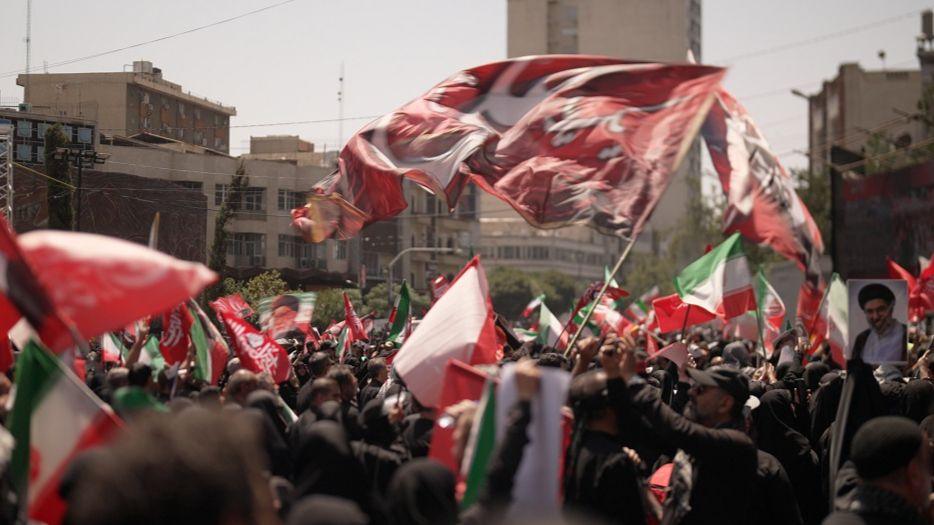
For three days, Tehran became both a sanctuary of grief and a instrument of state rhetoric. The Ayatollah’s 10‑kilometre funeral cortege, carrying five coffins—his own and those of four family members—stopped at each bend for throngs of mourners. While the procession’s march slowed and stopped, the crowds marched forward, chanting the Islamic Republic’s signature declarations: “Death to America” and “Death to Israel.”
The spectacle, orchestrated by officials, was designed to frame the late leader as a transcendent figure whose influence stretched across Shia Muslims worldwide. In a statement, President Masoud Pezeshkian rebutted Donald Trump’s claim that the tears were “fake,” insisting they reflected genuine sorrow. Across streets, governmental supporters urged foreign journalists to “tell the truth,” while an Iranian messaging app urged followers to chant, “Our revenge is inevitable.”
The funeral also highlighted the country’s extreme sorrow and the sharp divide behind its crowded sobbing. An elderly resident named Mojtaba told reporters he wanted to address President Trump, saying the regime’s red flag would soon appear over the White House. His comments captured the hard‑line anger that still simmer within Iran after the war‑hit air strikes that eliminated the Ayatollah and siblings on 28 February.
Even as mourners sacrifice their freedom to attend, many remain weary of the past year’s double disaster – two wars, inflation near 80%, and the violence of anti‑government protests. From the road to Qom, equating the funeral with religious pilgrimage, to the Ashura‑day burial at the Imam Reza shrine, the regime’s narrative of continuity and martyrdom dims the public’s resentment. Yet hope for the new Supreme Leader—unseen in public after the death of his father—still lingers as Iran enters a precarious new era amid looming sanctions relief efforts and a potential plan for renewed U.S. engagement.