In brief
U.S. special envoy Steve Witkoff’s recent trips to Oslo and St Petersburg met with Ukrainian President Volodymyr Zelensky and Russian officials, but did not move the conflict toward a settlement. Norwegian Prime Minister called the discussions “good and constructive,” yet Moscow still refuses a side‑by‑side meeting with Kyiv. The Kremlin signals that any further talks will be limited to technical matters in Abu Dhabi next month. Trump’s recent easing of sanctions on Moscow and his own criticism of Zelensky add to the uncertainty. Talk of a future U.S.–Russia–China summit paints a distant picture of a new Yalta, but the wall to peace remains unchanged.
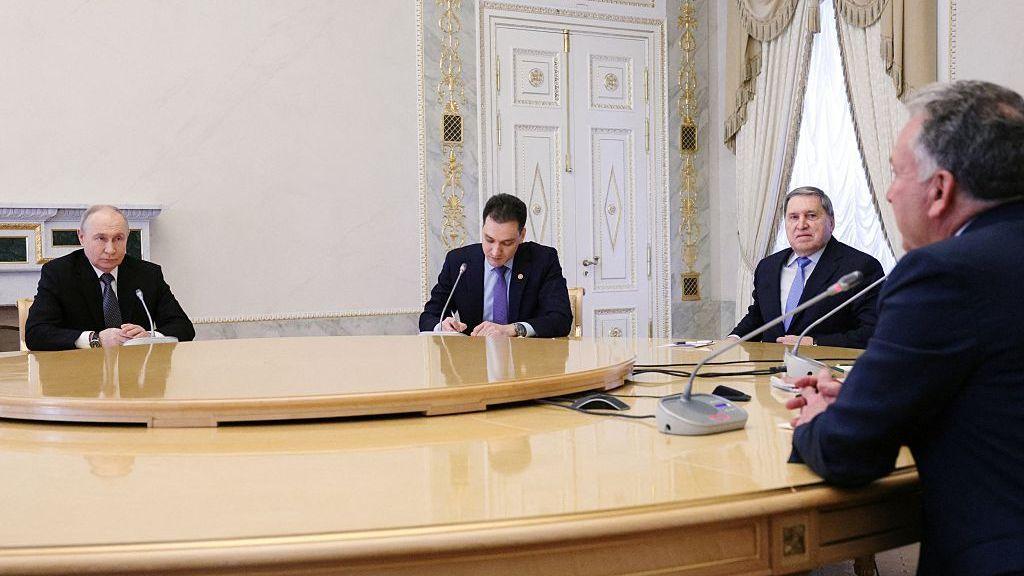
In recent days the world has watched a flurry of diplomatic activity in Oslo and St Petersburg, where U.S. envoy Steve Witkoff met with Ukrainian President Volodymyr Zelensky and Russian officials. Prime Minister of Norway described the two‑day meetings as “good and constructive,” but the outcome has not moved the war toward a resolution.
Key to the talks was the suggestion that a senior‑level table could form between President Putin, President Zelensky and President Trump. Yet Kremlin officials have made clear that they are unwilling to sit at the same table with Kyiv unless it is held in Moscow. In a statement on X, Witkoff admitted that “there is still important work to do” while U.S. leadership remained firm on its aim to bring the conflict to an end.
Yuri Ushakov, a senior foreign‑policy aide to the Russian president, was blunt in his assessment of the Oslo talks. He said that the discussions offered “little useful material” for resolving the crisis, and described the outcome as vague and uncertain. He also noted that Russia does not feel pressured to conclude a settlement at present.
Analysts point to a range of factors that undermine any chance for quick progress. Moscow knows that Ukraine is under strain from a breakdown in its air‑defence capabilities, and the coming winter could serve as an advantage in further crushing the Ukrainian armed forces. Meanwhile, the United States is re‑engaging with Russia by easing some sanctions, purchasing Russian diesel and publicly critising Zelensky, actions that Russia views as easing the pressure it faces.
Some commentators speculate that a meeting in China involving Putin, Trump and President Xi Jinping could emerge, especially at the margins of the upcoming Apec summit. The idea of a “New Yalta” where the three superpowers converge is gaining traction, yet it remains a distant possibility that offers no concrete path to peace.