In brief
The 2026 Asian Games in Nagoya revealed a cascade of problems ranging from haphazard athlete housing to transport mix‑ups and political faux‑pas. Organisers faced criticism for cutting costs and hiring untrained staff, while officials argued that experience and cooperation with GL Events ensured a competitive environment. Despite record performances, the event’s mishaps raised questions about Japan’s ability to host large‑scale sports spectacles in the future.
Japan is renowned for flawlessly organising major events like the Tokyo Olympics and the world’s largest videogame convention. The 2026 Asian Games, held across Nagoya and the wider Aichi Prefecture, diverged sharply from that legacy, with a series of diplomatic gaffes, transport blunders and chaotic accommodation arrangements.
Officials had abandoned the traditional athletes’ village, opting instead for a mix of hotels, container‑style units and even a cruise ship to house the expanding roster of 17,000 participants. A Korean basketball official noted that taller athletes could not stretch their legs in container beds, while Italian tourists were booked aboard a 1,500‑cabins vessel meant for cruise guests.
Last‑minute additions to the event schedule reached a point where the organisers claimed there was "nowhere" left to fit the influx, and they initially refused to arrange lodging, later back‑tracking and promising that all delegations would receive appropriate accommodation.
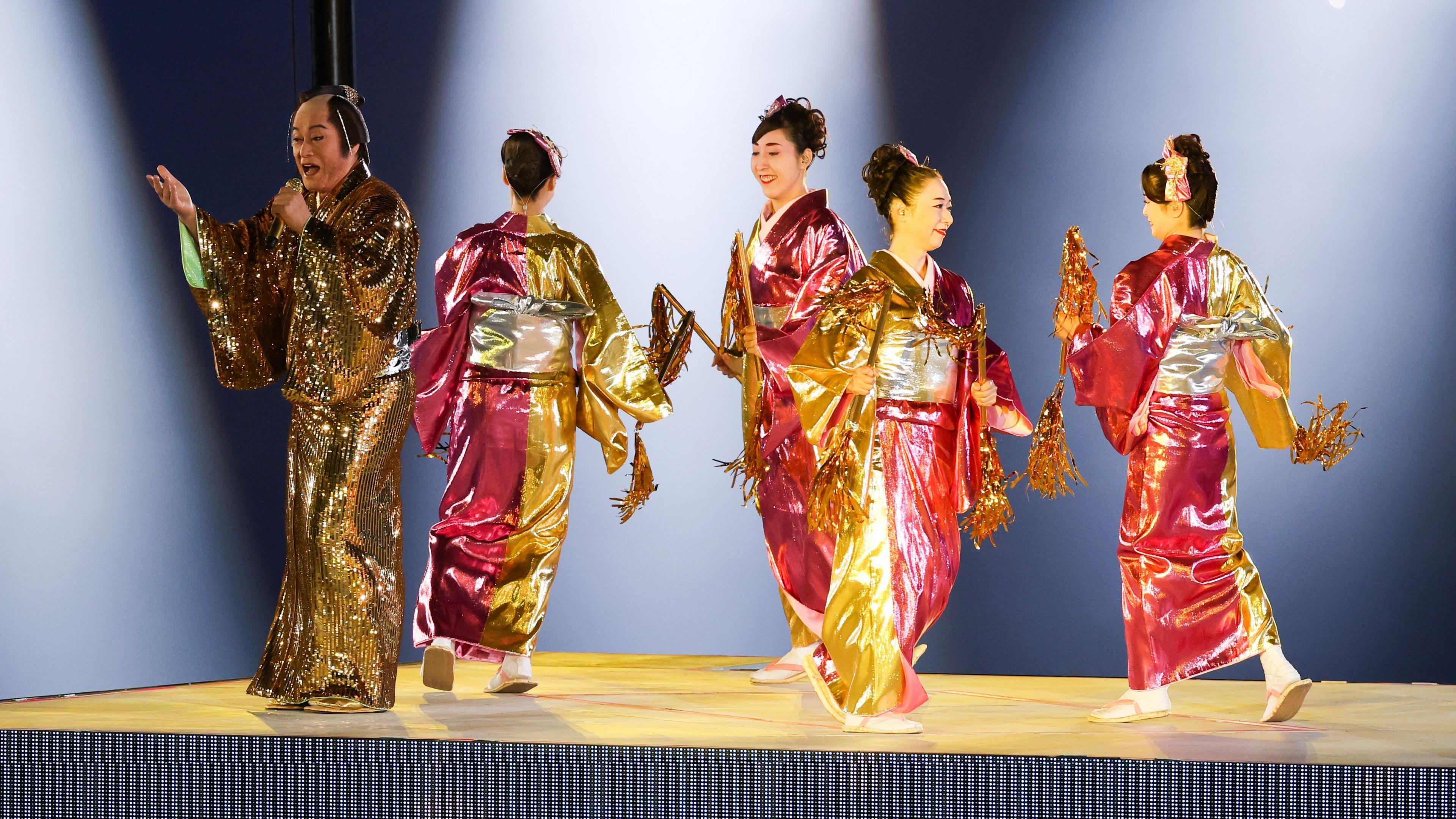
The logistical mess only multiplied during competition: athletes were bused to wrong venues, the North Korean anthem played for a South Korean team, and South Korean flag‑raisings were botched. Even volunteers were told at the closing ceremony that tickets were free, before organisers said the decision had not yet been approved.
The contract for venue operations was awarded to GL Events, a French firm, after a cost‑cutting win against Japan’s own Dentsu Group. Critics argue that GL’s low bid stemmed from aggressive cost‑cutting and an over‑broad scope, resulting in a lack of experienced staff. Organisers counter that GL had handled the Paris Olympics successfully and that the contract was awarded after thorough discussion.
Amid the chaos, the Games still saw 54 new world records in swimming, weightlifting and shooting, a point of pride highlighted by Olympic Council of Asia director Husain al‑Musallam. Nevertheless, the event’s mishaps prompted a formal apology to South Korea and raised scrutiny of Japan’s future bid for large competitions.
The long‑term impact remains to be seen, but the lessons from Nagoya could shape how Japan approaches international sporting events, balancing cost efficiency with reliable infrastructure and respect for participating nations’ sensitivities.