Minnesota public universities have received a significant ruling from a federal judge, allowing them to proceed with offering in-state tuition and scholarships to specific undocumented immigrants. This decision came after the dismissal of a lawsuit filed by the Department of Justice last summer that sought to end these programs.
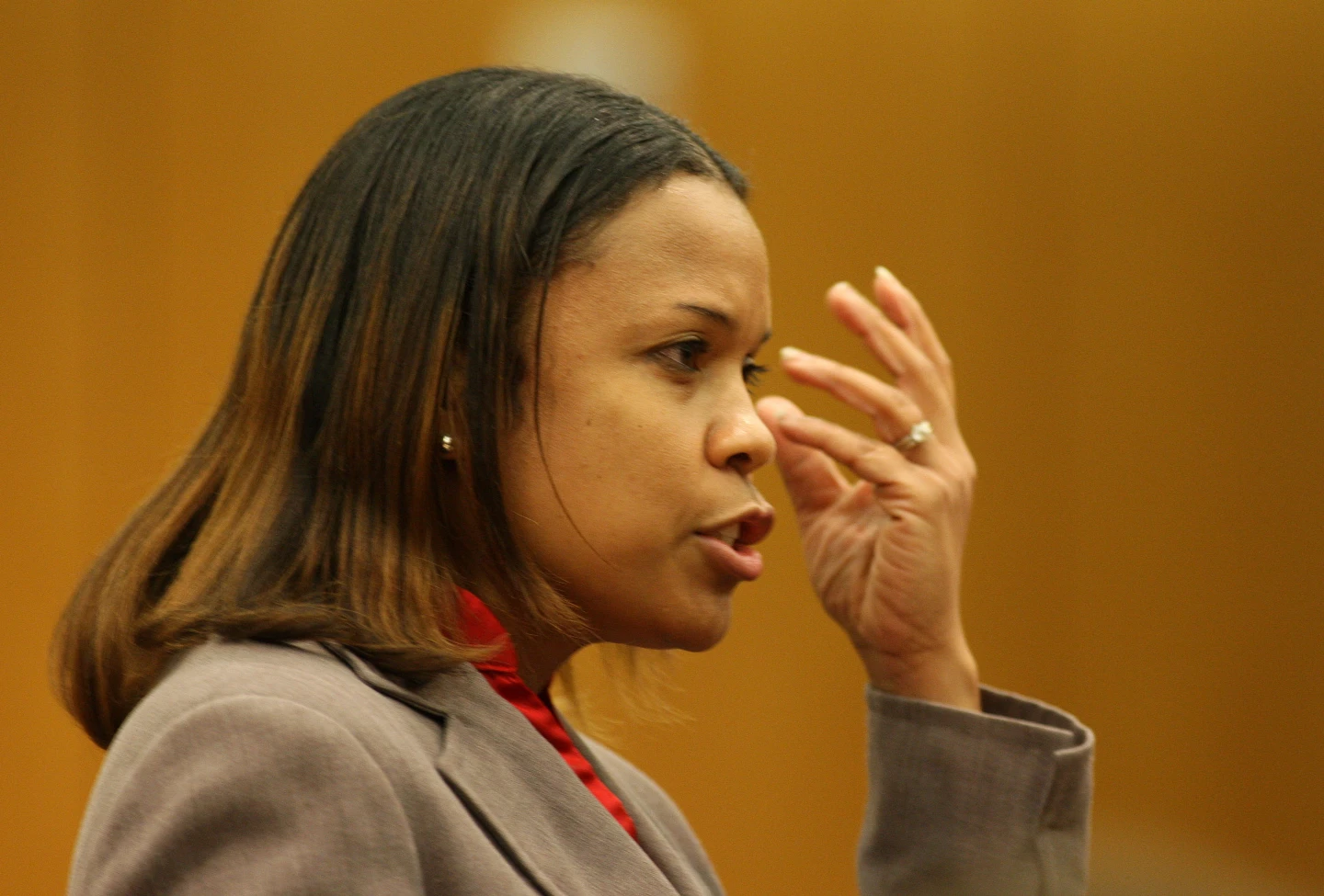
U.S. District Judge Katherine Menendez stated that the federal government could not substantiate claims that the state’s tuition policies discriminated against U.S. citizens. The lawsuit highlighted Minnesota's law that allows undocumented students who attended a Minnesota high school for at least three years to benefit from in-state tuition rates and scholarships, unlike U.S. citizens who moved out-of-state and may not receive comparable benefits.
Notably, the federal government argued that such policies violate federal laws that prohibit states from providing preferential treatment to undocumented immigrants. However, Judge Menendez clarified that the law, established during Bill Clinton's presidency, intended to provide equal access to public benefits for all students who complete high school within Minnesota.
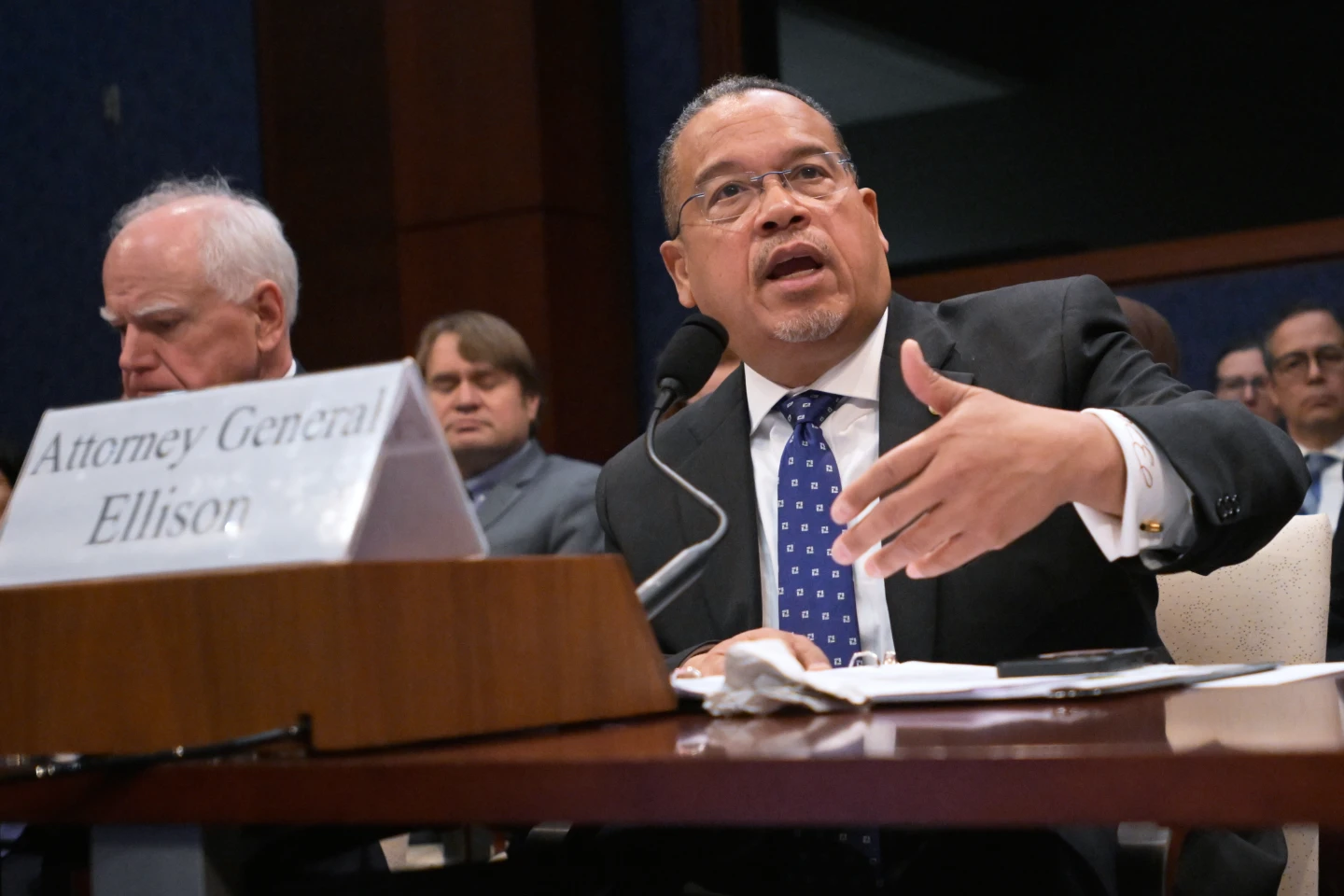
Attorney General Keith Ellison praised the ruling as a victory against attempts to alter Minnesota's legislations. He emphasized the state's commitment to investing in its workforce and the essential role of education in fostering community growth.
This ruling may set a precedent in ongoing debates regarding education access for undocumented immigrants across the United States, where, according to the National Immigration Law Center, at least 22 states and the District of Columbia have similar laws in place.