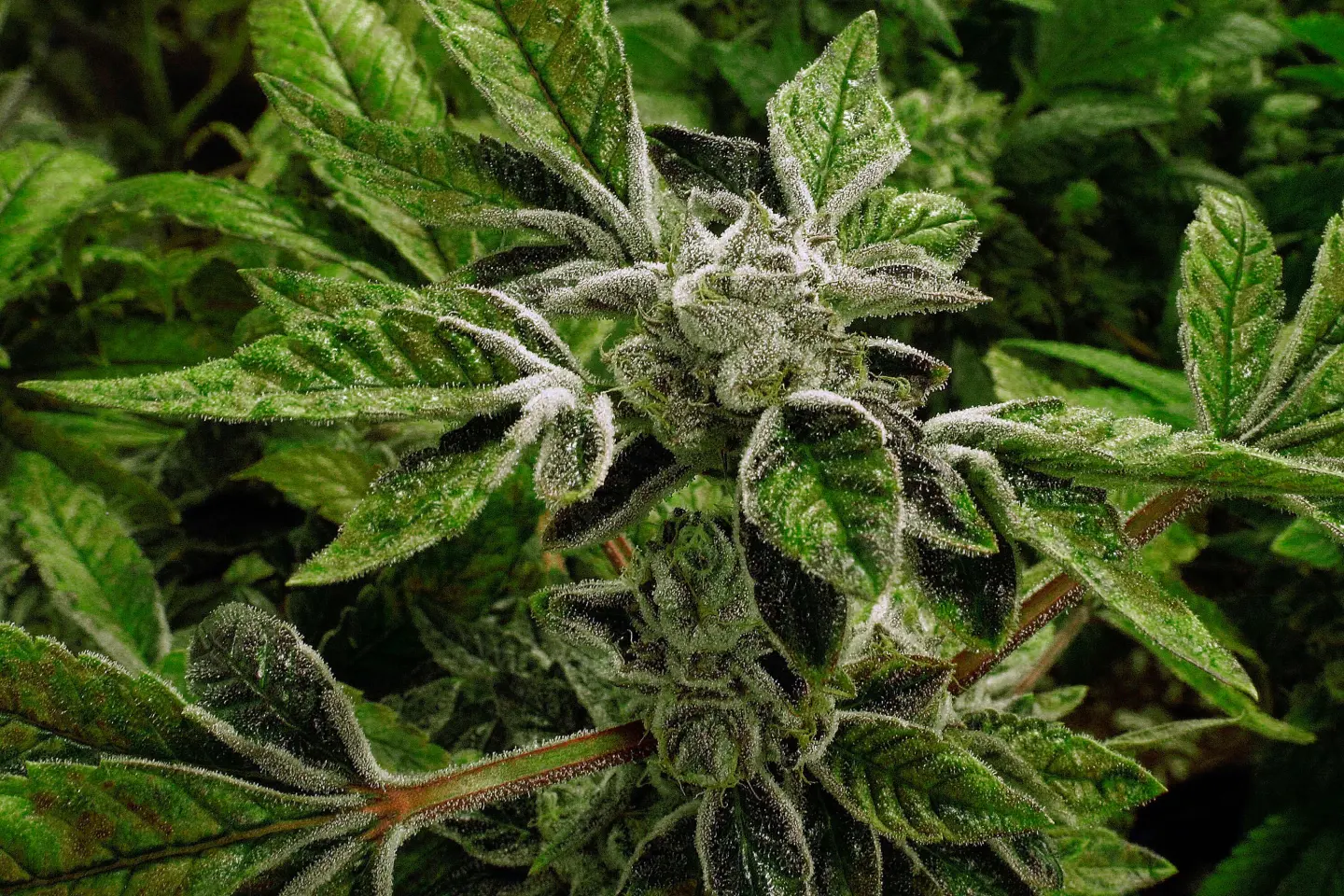
WASHINGTON (AP) — President Trump's acting attorney general has announced a reclassification of state-licensed medical marijuana, designating it as a less dangerous drug. This marks a significant shift in policy, responding to long-standing advocacy for treating cannabis differently from Schedule I drugs deemed to have no medical use and a high potential for abuse. The reclassification from Schedule I to the less restricted Schedule III still does not legalize marijuana for medical or recreational use under U.S. law, but it does open the door for increased research opportunities and potential tax benefits for licensed operators.
Acting Attorney General Todd Blanche stated that this move follows directives from President Trump, highlighting an effort to enhance patient access to medical treatments. The change will not only ease regulations on state-licensed medical marijuana operators but also stimulate research efforts on its safety and efficacy.
Trump directed his administration in December to expedite this reclassification, indicating frustration over the delay. This new policy affects the framework of medical marijuana regulations across the 40 states that have adopted such programs, establishing a significant administrative process for reclassification aiming at broader access to cannabis for medical purposes.
Blanche emphasized the importance of this policy shift, stating it aligns with the continuous evolution of state-level regulations governing cannabis, largely legitimizing medical marijuana operations nationwide. However, marijuana products sold outside of state-licensed medical programs will still remain under Schedule I category.
While this change may be seen as favorable by cannabis advocates, it faces potential hurdles from Republican lawmakers who have opposed loosening restrictions on marijuana. This ongoing debate reflects the complex landscape surrounding cannabis regulation and its implications in public health and safety. As the government prepares to implement this new framework, the future of cannabis research and business remains intertwined with political agendas and public opinion on marijuana.
Acting Attorney General Todd Blanche stated that this move follows directives from President Trump, highlighting an effort to enhance patient access to medical treatments. The change will not only ease regulations on state-licensed medical marijuana operators but also stimulate research efforts on its safety and efficacy.
Trump directed his administration in December to expedite this reclassification, indicating frustration over the delay. This new policy affects the framework of medical marijuana regulations across the 40 states that have adopted such programs, establishing a significant administrative process for reclassification aiming at broader access to cannabis for medical purposes.
Blanche emphasized the importance of this policy shift, stating it aligns with the continuous evolution of state-level regulations governing cannabis, largely legitimizing medical marijuana operations nationwide. However, marijuana products sold outside of state-licensed medical programs will still remain under Schedule I category.
While this change may be seen as favorable by cannabis advocates, it faces potential hurdles from Republican lawmakers who have opposed loosening restrictions on marijuana. This ongoing debate reflects the complex landscape surrounding cannabis regulation and its implications in public health and safety. As the government prepares to implement this new framework, the future of cannabis research and business remains intertwined with political agendas and public opinion on marijuana.