In brief
A week‑long wave of protests over rising living costs turned violent across France, with police deploying tear gas, water cannons and elite units in cities such as Paris, Marseille, Bordeaux, Lyon and Toulouse. More than 1,300 people were detained amid clashes, a drop from last weekend yet still a major spill‑over of civil unrest. The unrest comes ahead of a highly contested presidential election, with the future of the National Rally and the radical left on full display. Despite heavy security, reports of arson, looting and severe injuries—including a 20‑year‑old assigned to suffer a finger amputation after an explosion—sharpened tensions. The interior ministry said 53 officers were hurt and 142 arrests were made in Paris alone. At least 7 businesses in Marseille were looted. Such scenes reflect long running grievances over taxes, school conditions and a perceived loss of political voice, while calls for a governmental response echo from the streets.
French protests have once again flare into widespread civil disorder. More than 1,300 arrests were recorded nationwide after last‑Saturday demonstrations spiraled into clashes involving tear gas, water cannons and elite police units.
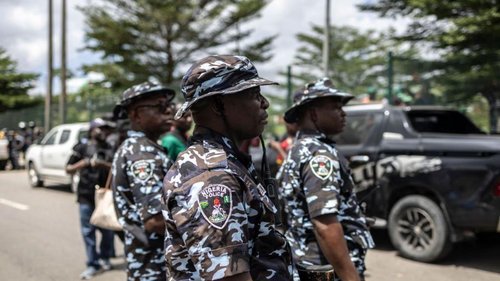
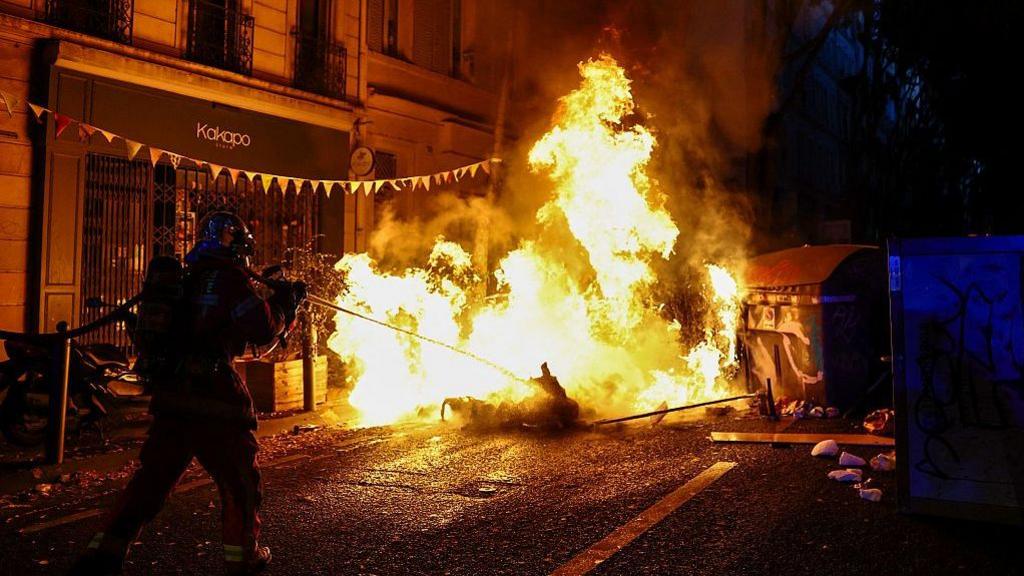
Police moved into the city centres of Paris, Marseille, Bordeaux, Lyon and Toulouse. In Paris a large march from Porte d’Italie to Porte de Vincennes soured when the police brought in a unit usually deployed against organised crime. Protesters had built makeshift barricades that ended up on fire. Meanwhile in Marseille, rubbish bins were set alight and metal sheets blocked streets; a police vehicle broke through a blaze.
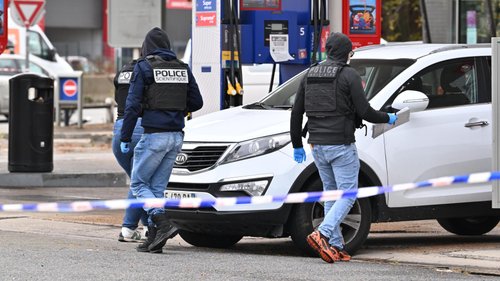
In Bordeaux, state‑owned revenue had been hit hard by a ground shaking protest that turned violent and forced police into a role of containment. Law enforcement said 53 officers were hurt across the country on Saturday and reports of two serious injuries—a 20‑year‑old in Toulouse who lost fingers after an explosive and a man in Clermont‑Ferrand—proved the violence’s toll.
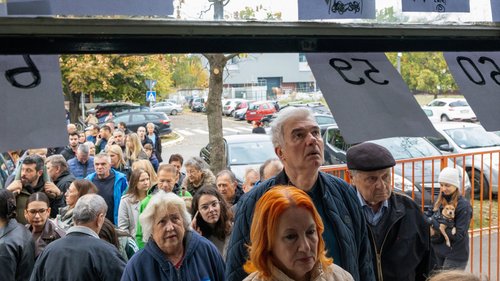
The interior ministry counted 410,000 people in the city’s own estimate, while unions claimed 800,000 were mobilised. Those numbers underscore the massive social protest continuum that covers student campaigns, high‑ticket prices and a political vacuum months ahead of the next presidential election.
The arrests inventory saw a drop from last weekend’s 2,500+, yet still reflected growing unrest. French President Emmanuel Macron’s decree limiting legal demonstrations to recognised unions earlier this week has faced sharp criticism from the left and right: The La France Insoumise candidate Jean‑Luc Mélenchon accused police of staging the chaos, while National Rally leaders blamed rioters for the disorder.
Outside France, similar demonstrations reached Barcelona, Tirana, Brussels and Milan – each city facing its own policing challenges. The backlash is part of a larger European wave of protest that has pushed millions to the streets and left governments scrambling to rein in civil order.
As France prepares for one of its most divisive elections in decades, the unrest underscores an urgent debate over economic policy, welfare, and the country’s political trajectory.