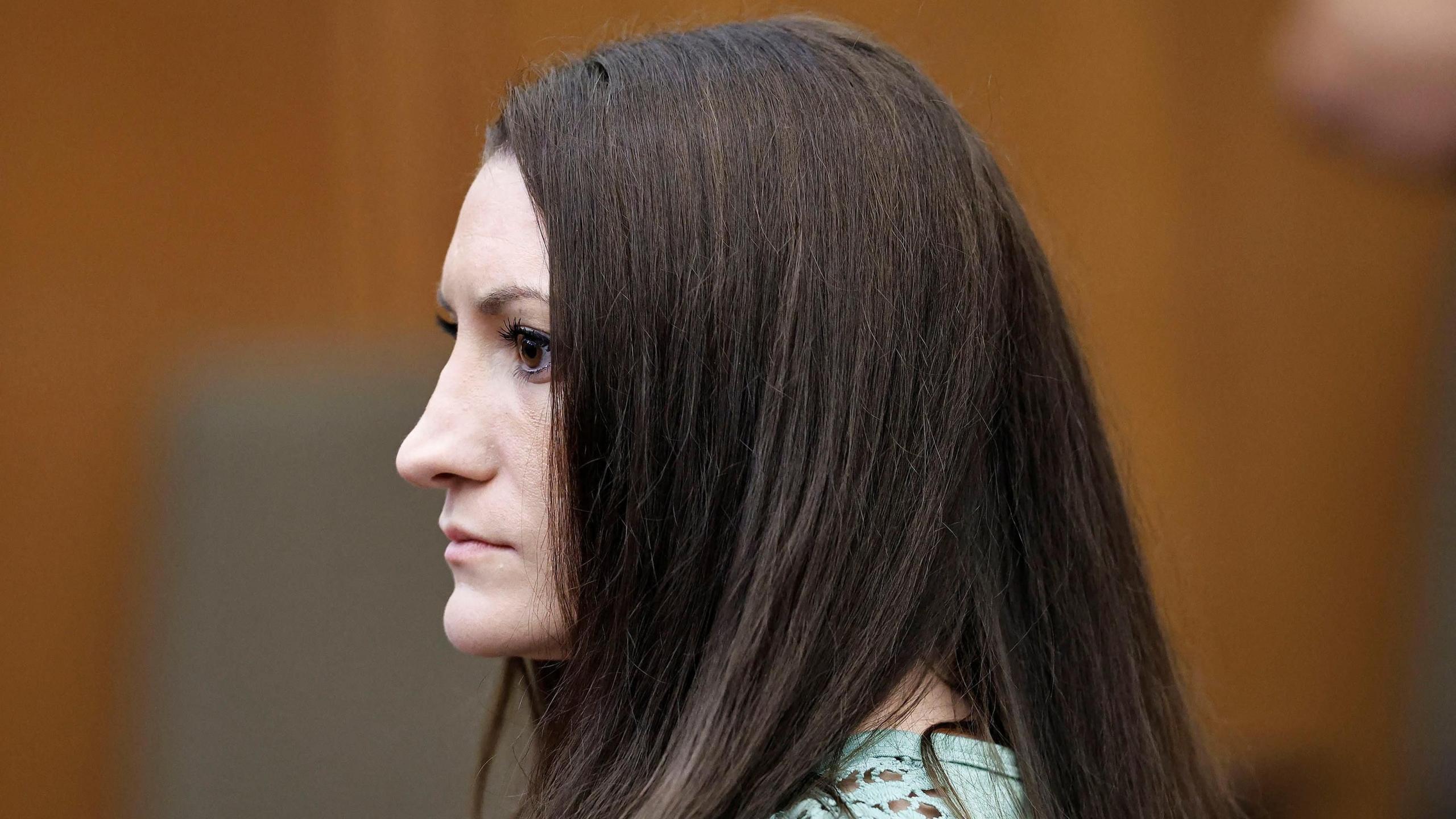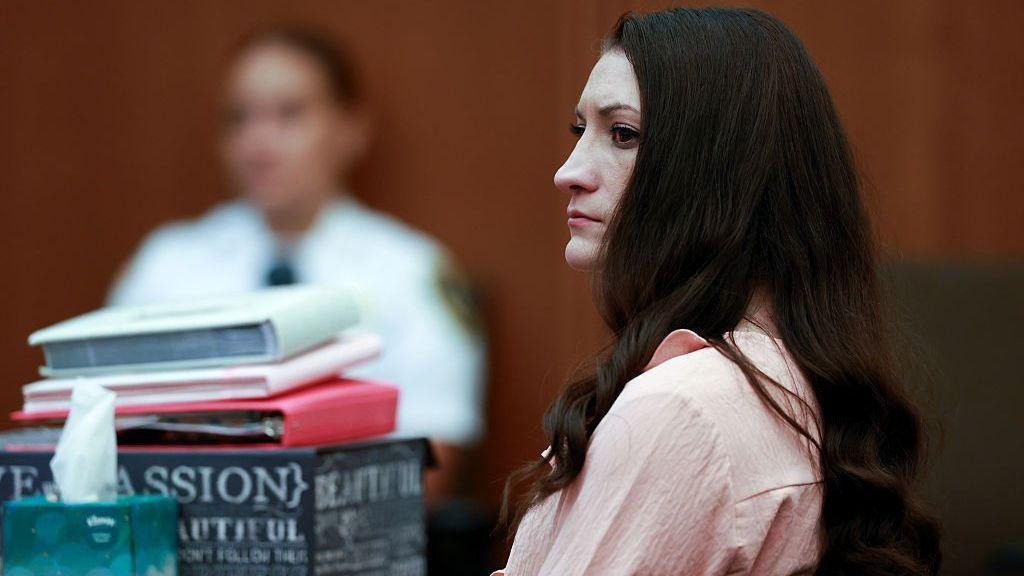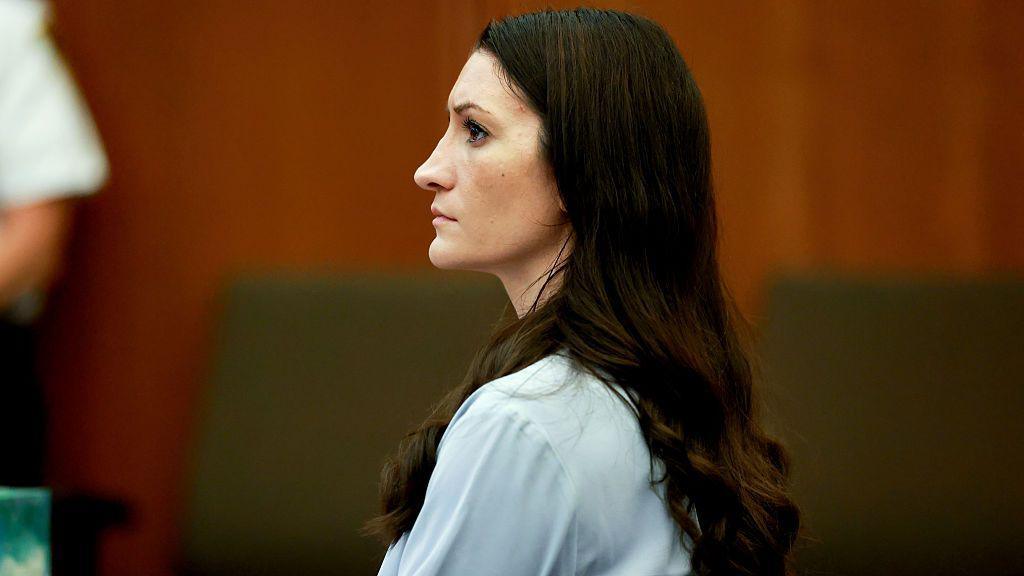
What the court will decide: The five‑week trial of Lindsay Clancy has reached the stage of closing arguments, a crucial moment as jurors prepare to weigh whether the mother’s alleged computing killings stem from a calculated plan or from severe mental illness.
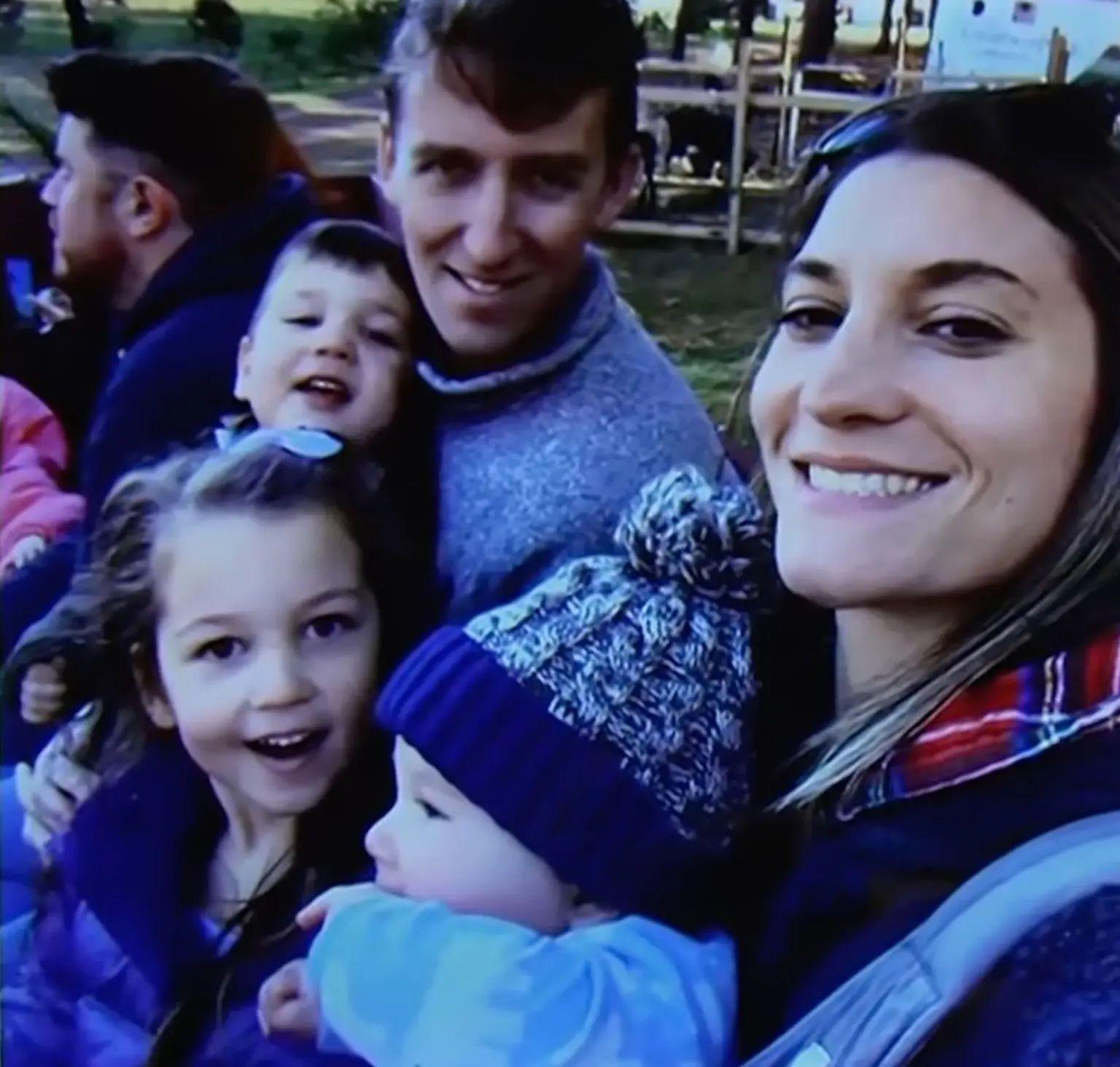
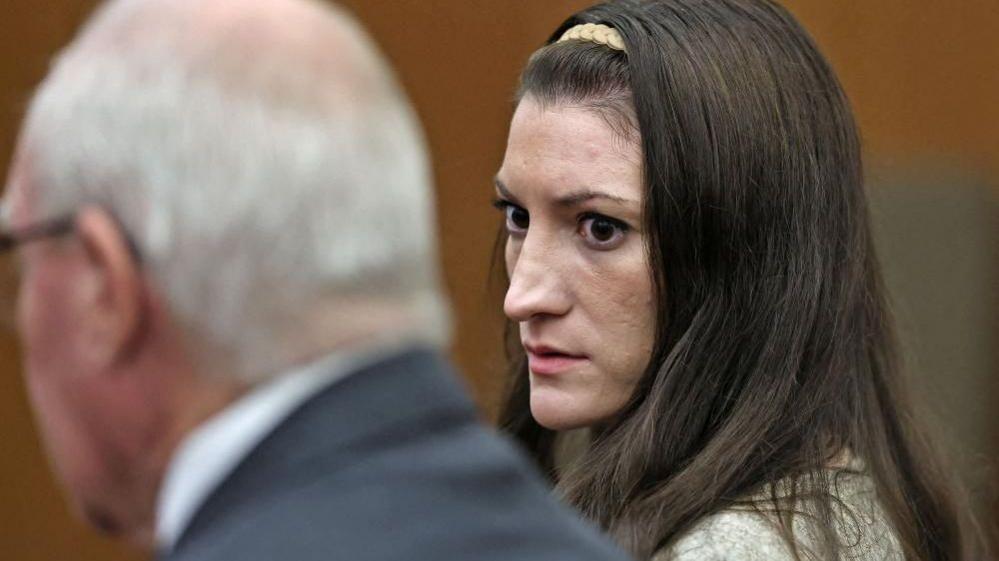
Clancy is charged with three counts of first‑degree murder after prosecutors claim she strangled her children—Cora, 5; Dawson, 3; and Callan, eight months old—in her Duxbury home on 24 January 2023. Although she never denies taking the children’s lives, her defence seeks a verdict of not guilty by reason of insanity, citing postpartum psychosis.
Post‑partum psychosis is a rare mental‑health condition that can bring manic or depressive episodes, hallucinations and delusions in the days and weeks after childbirth. Clancy’s lawyers argue that, according to her psychiatric records, she experienced hallucinations and a command “to kill” the children, and that she had also struggled with suicidal ideation and depression in the months after Callan’s birth.
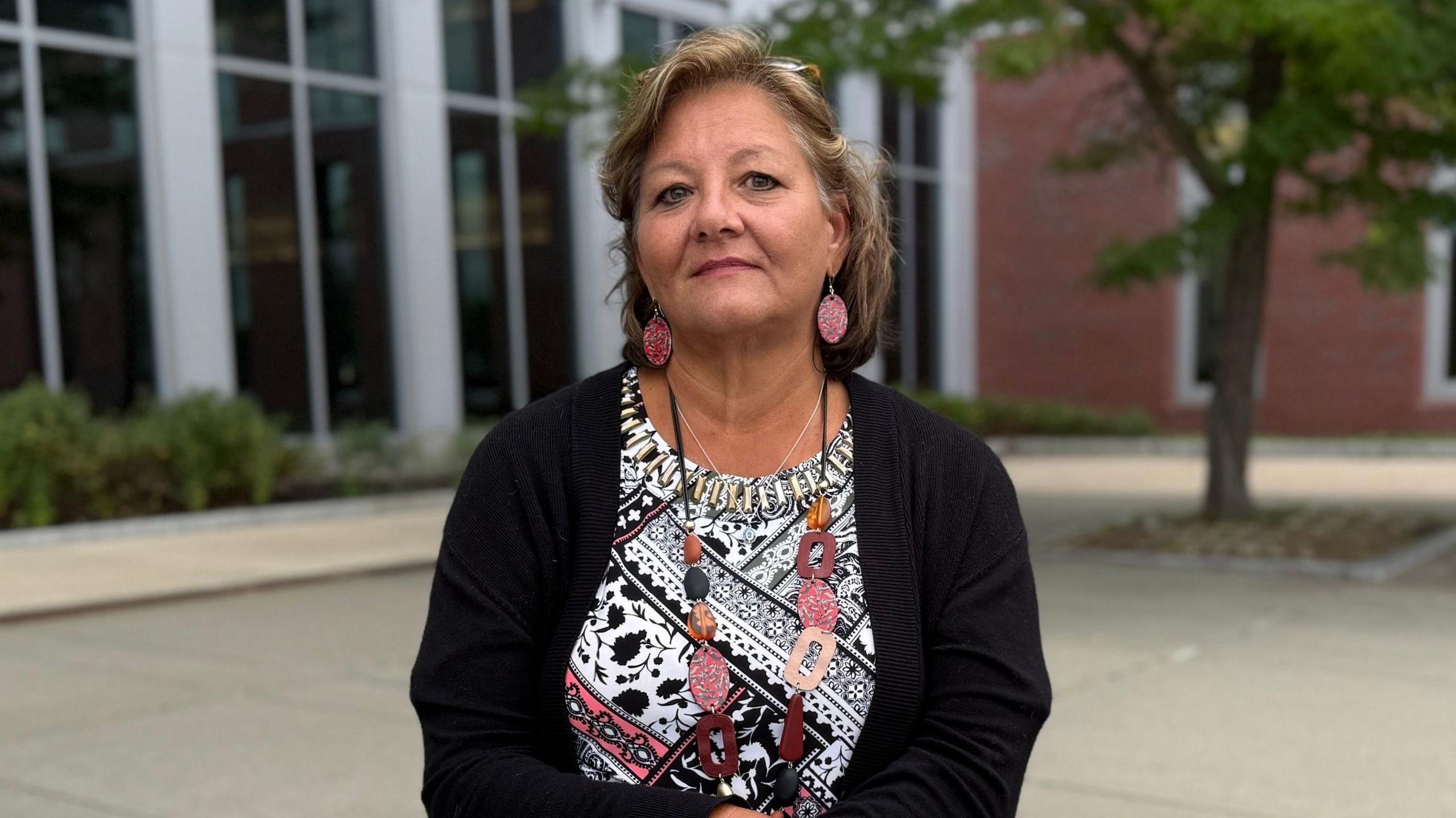
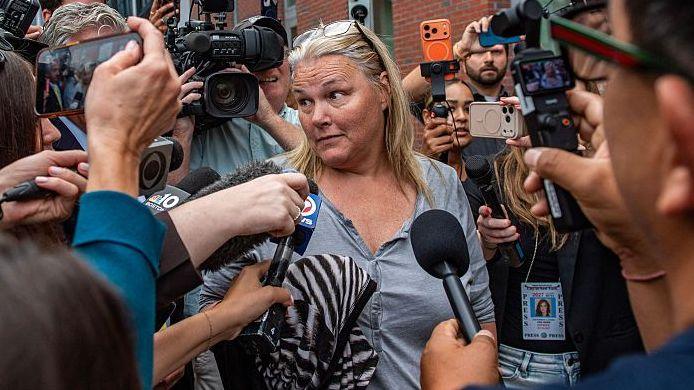
Family testimony has been a dramatic part of the case. Ex‑husband Patrick Clancy has described the day she turned away from him, her weight loss, insomnia and the total shift from a caring mother to someone in crisis. His account was mirrored by statements from her former mother‑in‑law Susan, her mother Paula Musgrove, and her sister Allison Ozga, all of whom said the mother’s mental state had deteriorated, with suicidal thoughts and hallucinations as the murders approached.
The prosecution maintains that Clancy orchestrated the killings. It points to the evidence that she had her husband, Patrick, perform errands away from home to leave the children alone, the use of fitness bands as a strangulation tool, and the subsequent jump from the second‑floor window, which left her left paralysed and reliant on a wheelchair for the remainder of the trial.
The courtroom has also become a battleground for expert witnesses. Fifteen experts were called, with some debating whether postpartum psychosis is a formally recognized diagnosis. One psychiatrist testified for the prosecution, asserting that Clancy did not show signs of psychosis during her treatment. The defence fought this point, highlighting clinical notes that described slowed and pressured speech as a sign of mania.
Besides the legal arguments, civic engagement has taken a visible form. Hundreds of women in pink shirts standing outside the courthouse expressed solidarity with Clancy, chanting slogans such as “She needed help” and “Peace for Lindsay.” Those rallies mirrored the online discourse that has surfaced in the form of support messages and conspiracy theories, often twisting the lines between the victim’s severe illness and the prosecution’s narrative.
Closer to the end of the trial, the defence requested a mistrial after questions about Clancy’s Catholic faith forced the court into a complicated exchange. Judge William Sullivan denied the mistrial and warned jurors the religion‑based testimony was “absolutely inappropriate.” He also ordered strip‑cast religious statements from the court as part of a broader effort to keep the focus on facts and evidence.
The case has become a global conversation about the intersection of mental health and the justice system, as many in the U.S. and worldwide debate the boundaries of mental‑illness defence. The upcoming verdict will likely influence future prosecutions and highlight the importance of early mental‑health interventions for new parents.