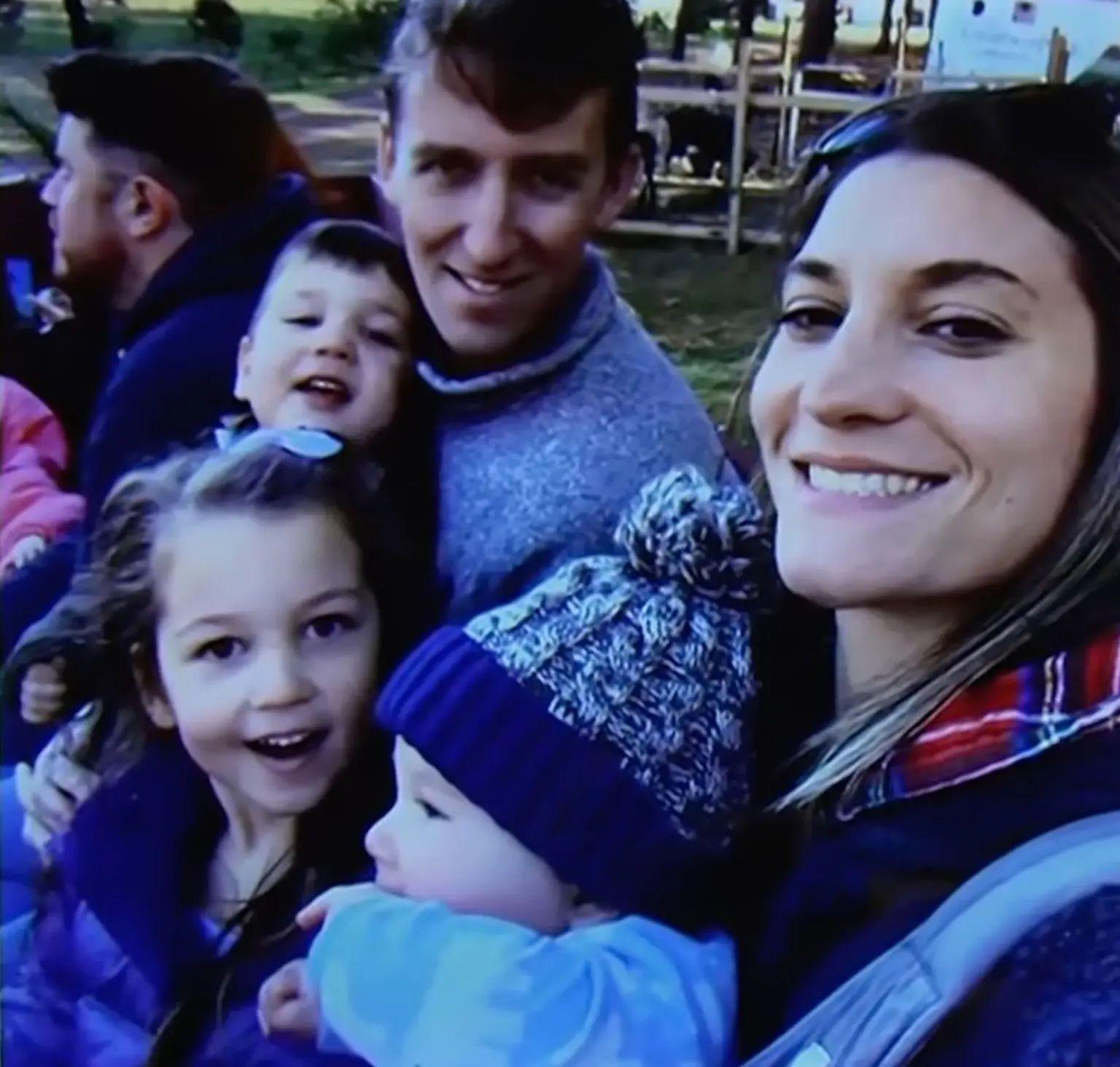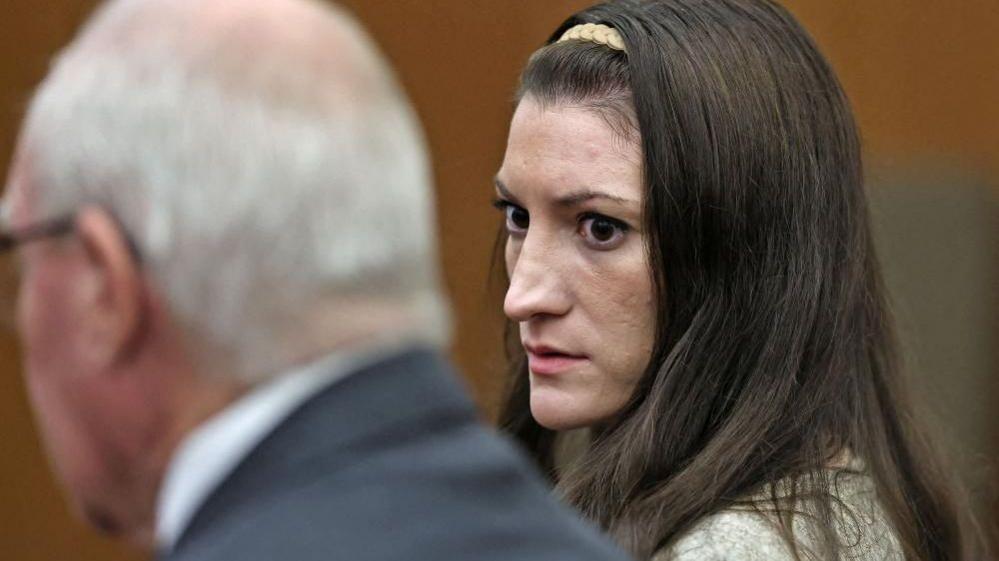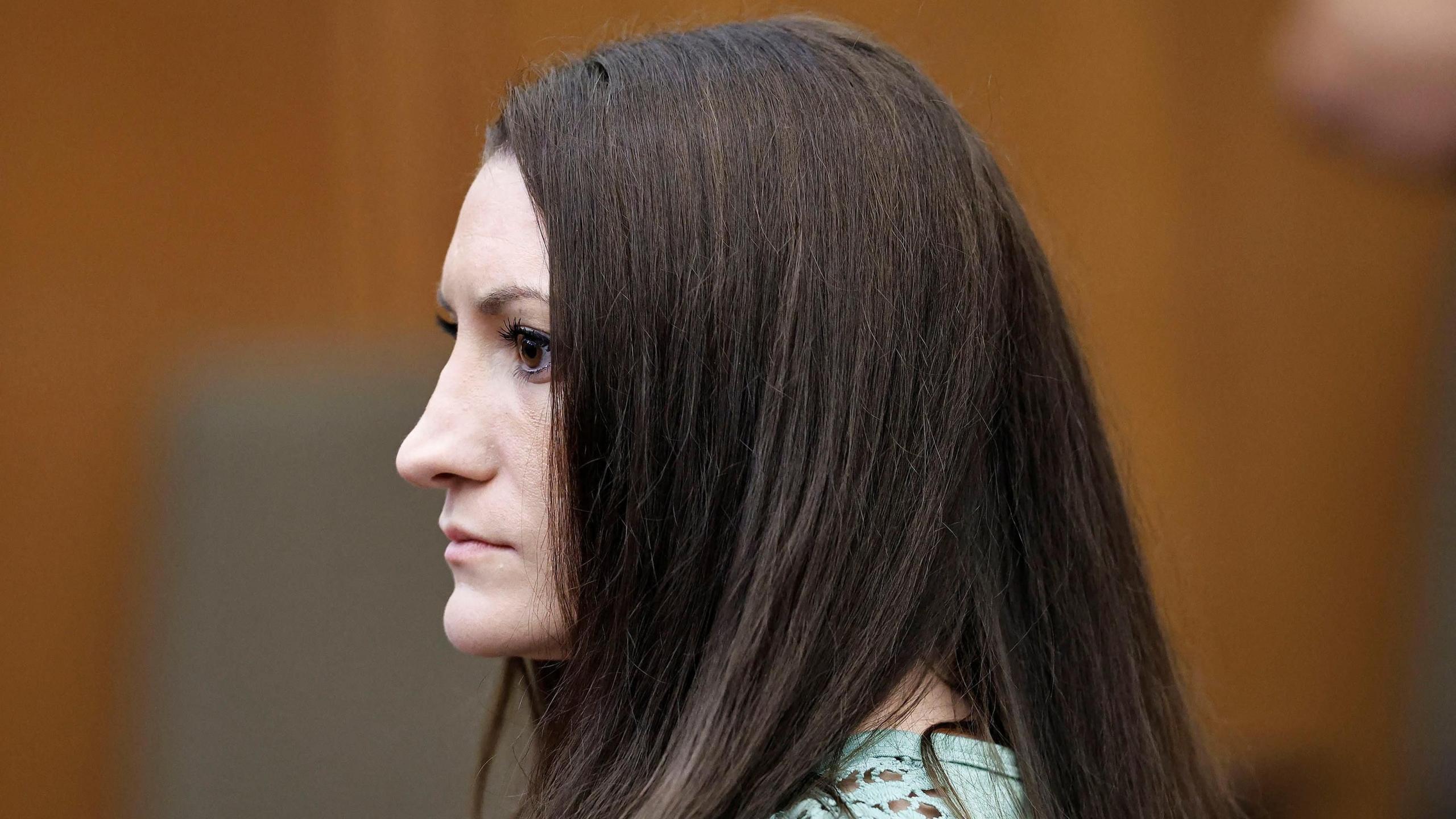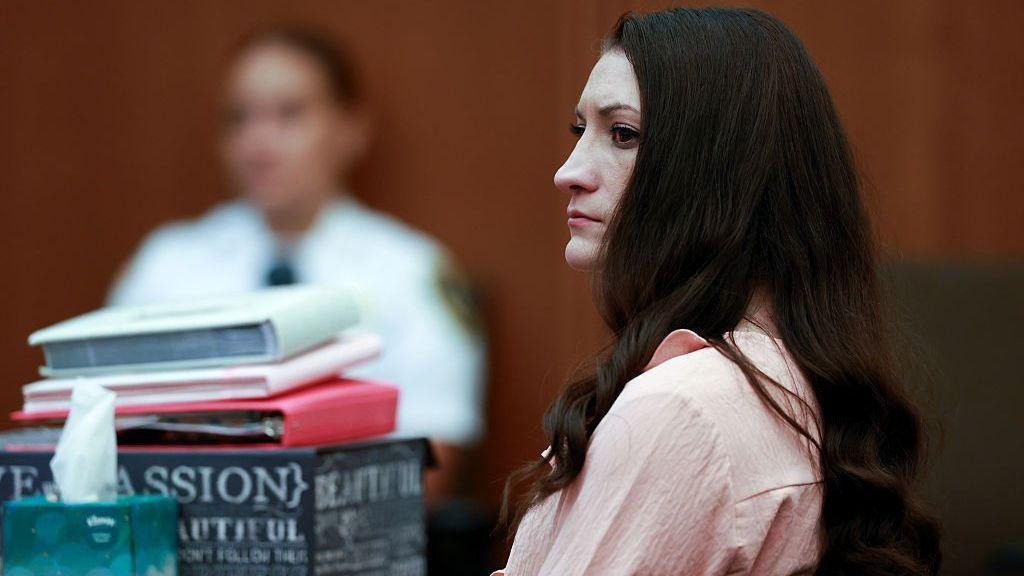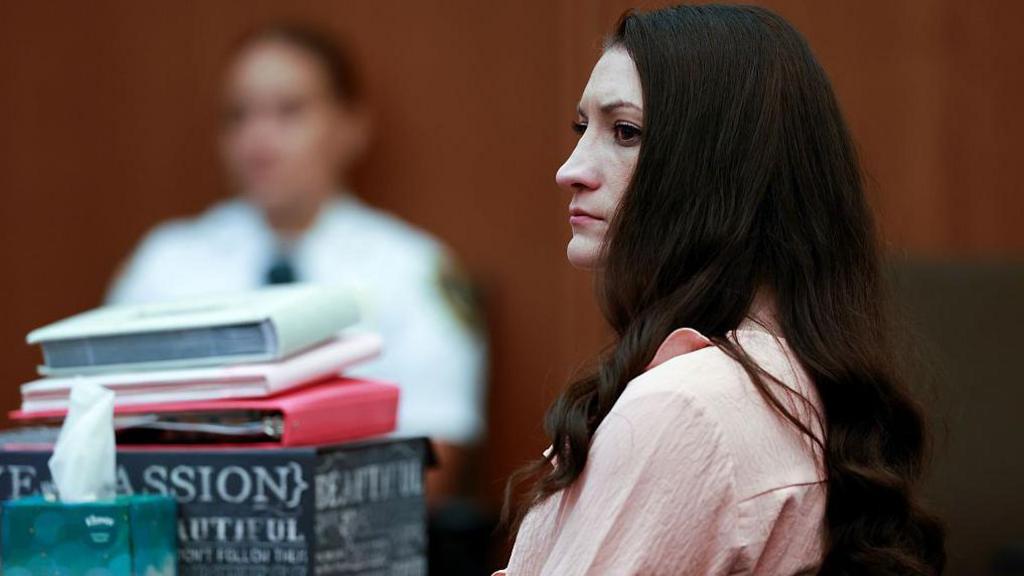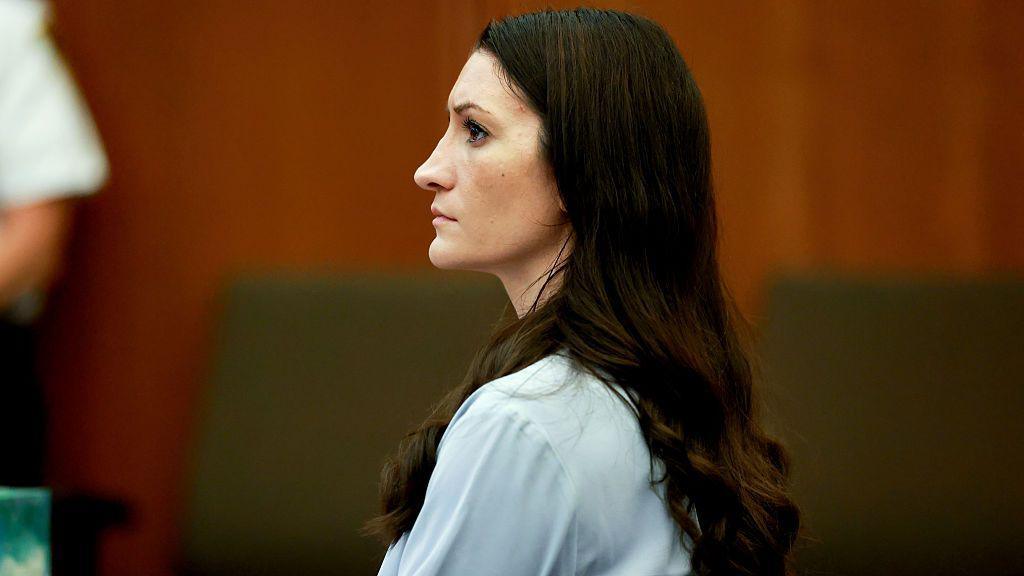
The fate of US mother Lindsay Clancy is now in the hands of a Massachusetts jury, who must decide if she is guilty of first‑degree murder—the intentional and pre‑meditated killing of another person—in the deaths of her three children.
The trial has kept the public and legal community focused on whether Clancy was in a state of postpartum psychosis when she killed her two sons and daughter, who ranged in age from eight months to five years. She does not deny that she killed them; she only argues that her mental state prevented her from having full control.
Prosecutors maintain that Clancy made a calculated decision and could be held accountable for intent. If found guilty of first‑degree murder, she faces a mandatory life sentence with no possibility of parole under Massachusetts law.
The jury can instead find her guilty of second‑degree murder or involuntary manslaughter, charges that also carry prison time. By contrast, a verdict of not guilty by reason of insanity would send her to a psychiatric hospital, where she could remain for life.
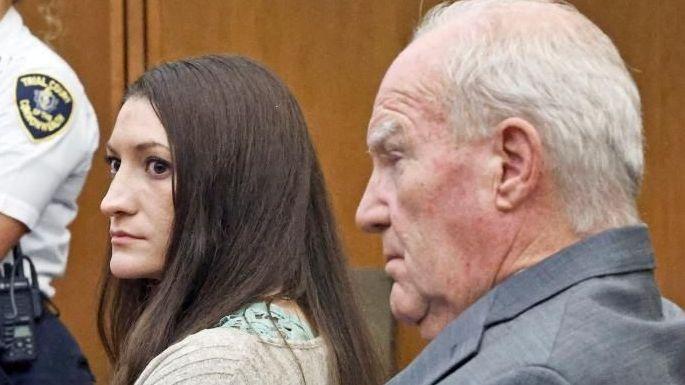
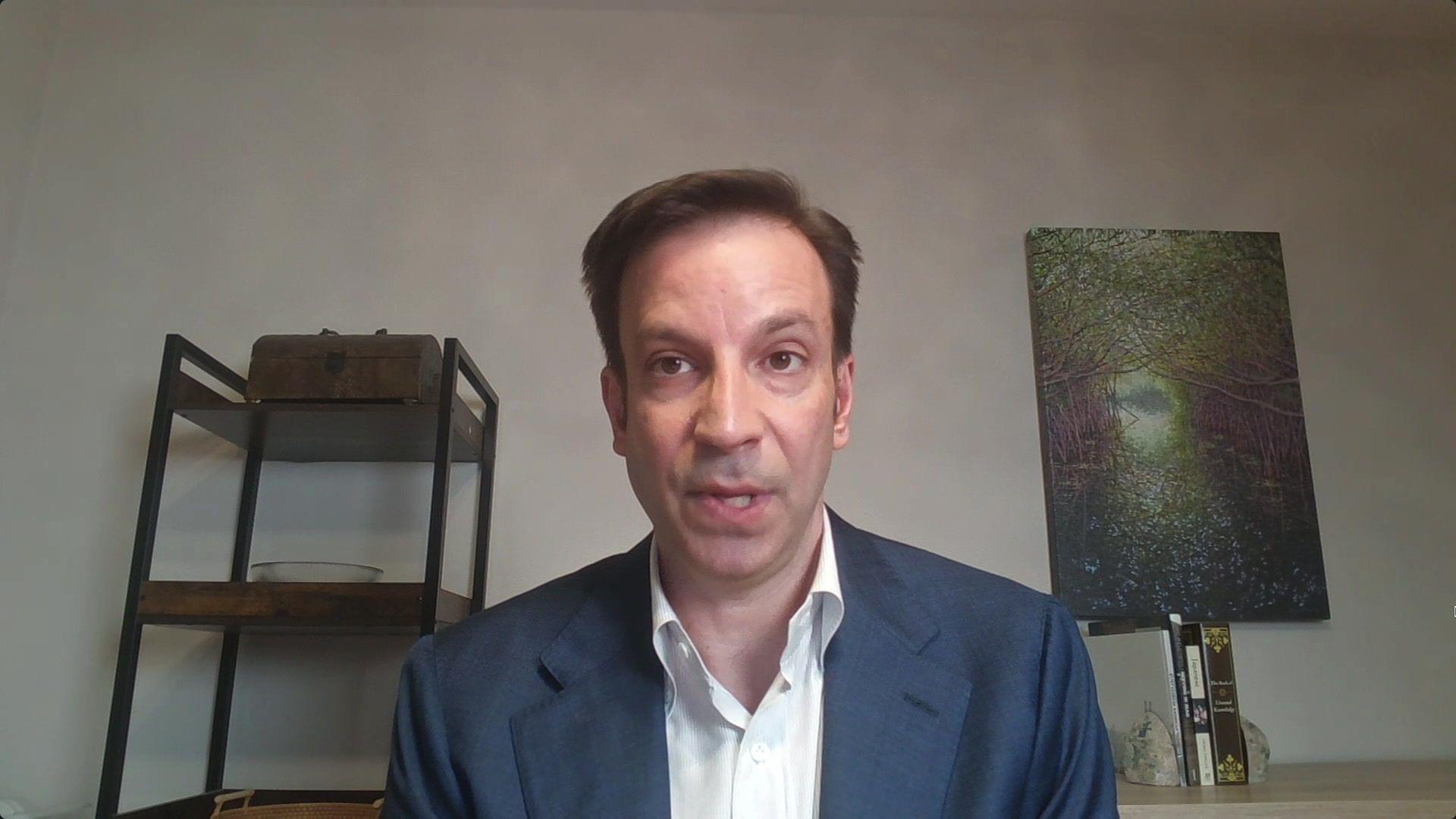
On Thursday, both sides delivered closing arguments before the jury began deliberation. Clancy’s attorney, Kevin Reddington, stressed that she was experiencing postpartum psychosis, citing medical definitions from the UK’s National Health Service. He highlighted her attempt to end her own life following the killings—a fact that left her paralysed and attending court in a wheelchair.
Reddington said his client was “not guilty of the killing of her children” because she was suffering from a disease and defect, and urged the jury to accept the lack of proof of intent.
Prosecutor Jennifer Sprague did admit that Clancy had mental illness but argued that she retained the capacity to distinguish right from wrong at the time of the murders. She noted that her client also had previously concealed harmful thoughts from doctors.
For those affected by distress, support resources are available at Befrienders Worldwide or the UK action line in case of emergency.
Further developments and key moments in the case can be accessed at the original BBC report or the related coverage on postpartum psychosis and legal implications.