In brief
In Kostyantynivka, eastern Ukraine, soldiers face unprecedented challenges as modern warfare evolves. Stuck in a 'kill-zone', they navigate drones, supply shortages, and the constant threat of Russian advances. While technology dominates, the need for ground troops remains paramount to defend territory and maintain postures against enemy forces.
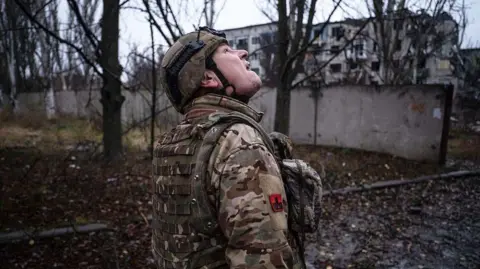
After 225 days stuck in a front-line foxhole, a Ukrainian infantryman, known as Kenya, describes the physical toll of war with muscles weakened to the point where he could barely walk. His attempts to swap places with another soldier were futile due to the persistent threat posed by drones in the area, making rotations arduous. Kostyantynivka, located near the frontline, is one of the most perilous zones where Russian troops are reported to be nearing. Kenya undertook a treacherous 11km journey back to his brigade, evading mines and drones to reach safety. The strategic significance of Kostyantynivka is underscored by the potential for Russian forces to push further into Ukraine, targeting key strongholds in the Donbas region.Ukrainian troops have adapted to the changing nature of warfare, where drone technology dictates tactical decisions. Traditional combat methods, characterized by large formations and armored assaults, have given way to smaller units operating with speed and stealth—a necessity against the aerial threat. The soldiers rely heavily on makeshift supply methods, often utilizing drones for food and ammunition deliveries, but these are frequently unreliable due to the ongoing conflict. The dire conditions in the foxholes are illustrated by the lack of essentials, particularly water, forcing soldiers to cherish any rain as a rare opportunity for basic hygiene.As Russian forces reportedly regroup with intentions of a summer offensive, Ukraine’s military intensifies efforts on logistics and counter-offensives to mitigate the enemy's advance. Amidst these changing dynamics, the boots on the ground remain crucial in holding territory against overwhelming odds.