In brief
In Kerala, an ageing population sees many seniors living alone as family members leave for work abroad. The state’s new department, introduced last month, will coordinate home‑based care, social prescribing, and training for caregivers, alongside plans for day‑care centres and community parks. Experts note the initiative is a bold step, though funding is modest and effectiveness remains to be seen.
In southern India’s Kerala, a state that will soon see 22.8% of its residents over 60, the elderly are increasingly left alone when their children migrate for work. The new government department, announced last month, is India's first dedicated welfare body for older citizens, aiming to keep seniors “in place” rather than in institutional homes.
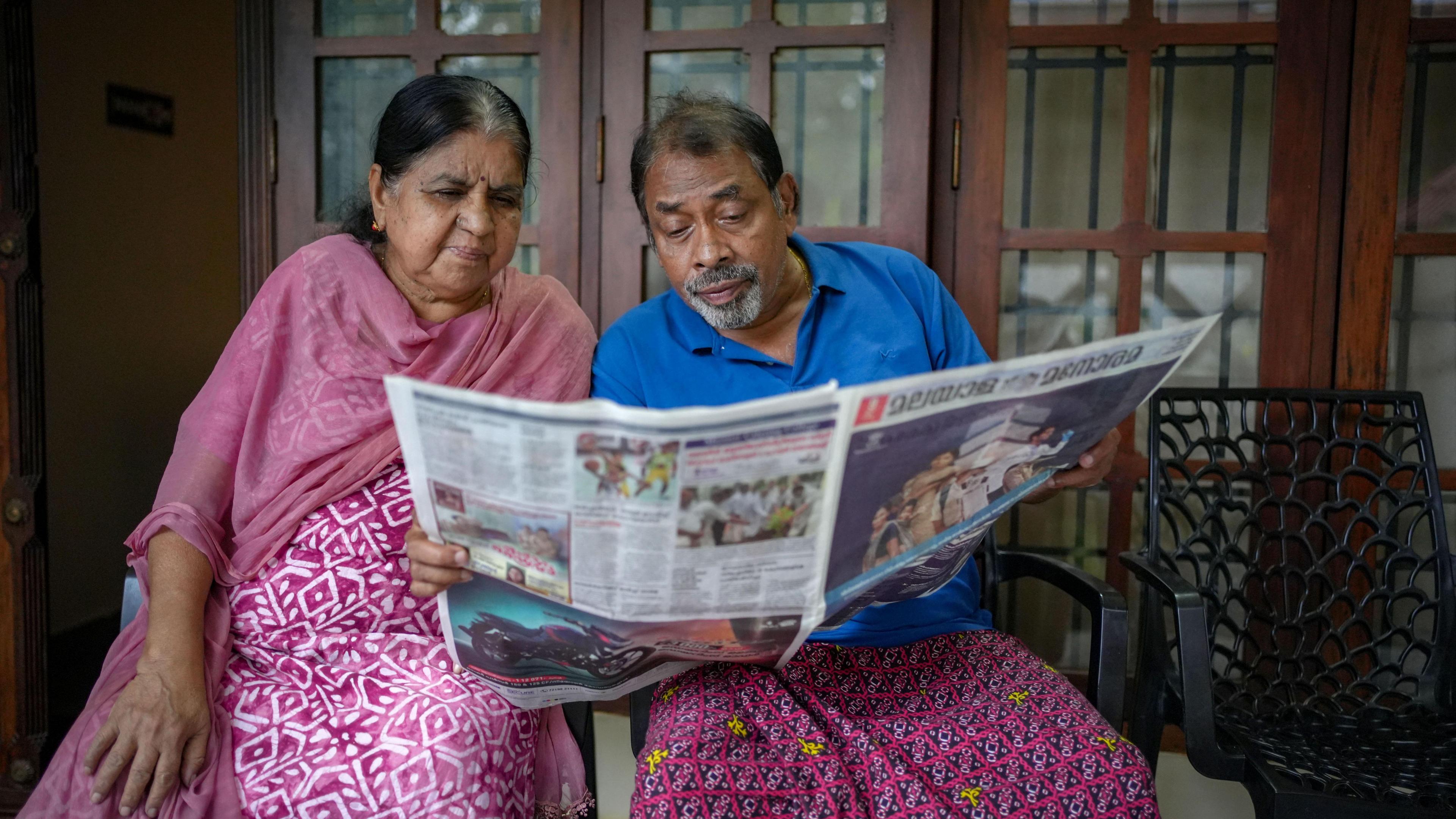
An 70‑year‑old man named TO Dominic juggles the daily calls of his two sons who live in Karnataka and the Middle East, yet when household help is needed he has no one close by. His wife, MJ Martha, feels loneliness weighing on both of them. "Our children visit very rarely and we don't have relatives nearby," Dominic says, "Things are becoming increasingly difficult."
The department’s head, Dr Rathan Kelkar, stresses that the plan centres on community and home‑based care, social prescribing that connects seniors to meaningful activities, and a certified caregiver training programme. He also envisions elderly parks, day‑care centres and fitness facilities, with a statewide survey to guide a long‑term Silver Economy roadmap.
Dr Prasun Chatterjee, a geriatrician at Apollo Hospital in Delhi, worries that many older people are already left alone after losing spouses or seeing children leave, and that India lacks sufficient geriatric specialists or primary care adapted to elder needs. He calls for a broader support network, including community spaces and accessible health services.
Srinivasan Govindaraj, CEO of Athulya Seniorcare, notes the absence of a regulated market for senior care; existing private facilities vary widely in quality. "There is still no properly regulated market for senior care," he says.
Kerala’s plan, with an annual allocation of about 100 million rupees, is seen as a symbolic but foundational step. Kelkar says the government views ageing as a long‑term development priority rather than a short‑term project.
For the couple in Kerala, the most immediate need is help that can arrive physically, not just phone support. Whether the new department can deliver that in a state where families are scattered across oceans and timezones remains to be seen.
Follow BBC News India on Instagram, YouTube, X and Facebook.