In brief
The government of Indian‑administered Kashmir has ordered schools, colleges and universities to delete books deemed "inappropriate or objectionable". The directive, aimed at preventing content that may foster terrorism or challenge national security, has drawn condemnation from academics, opposition parties and student groups who see it as an attack on free thought and history. Critics argue that the move erases the region's contested past and stifles the voice of Kashmiri scholars. The ban faces legal challenges, with activists calling upon the constitution’s freedom of speech provisions.
The Ministry of Education in Indian‑administered Kashmir has issued a blanket prohibition on any published material labelled as "objectionable". Every school, college and university must now screen textbooks, research papers and theses for content that could violate religious sentiment, national security or academic standards. They are also required to report such books to authorities.
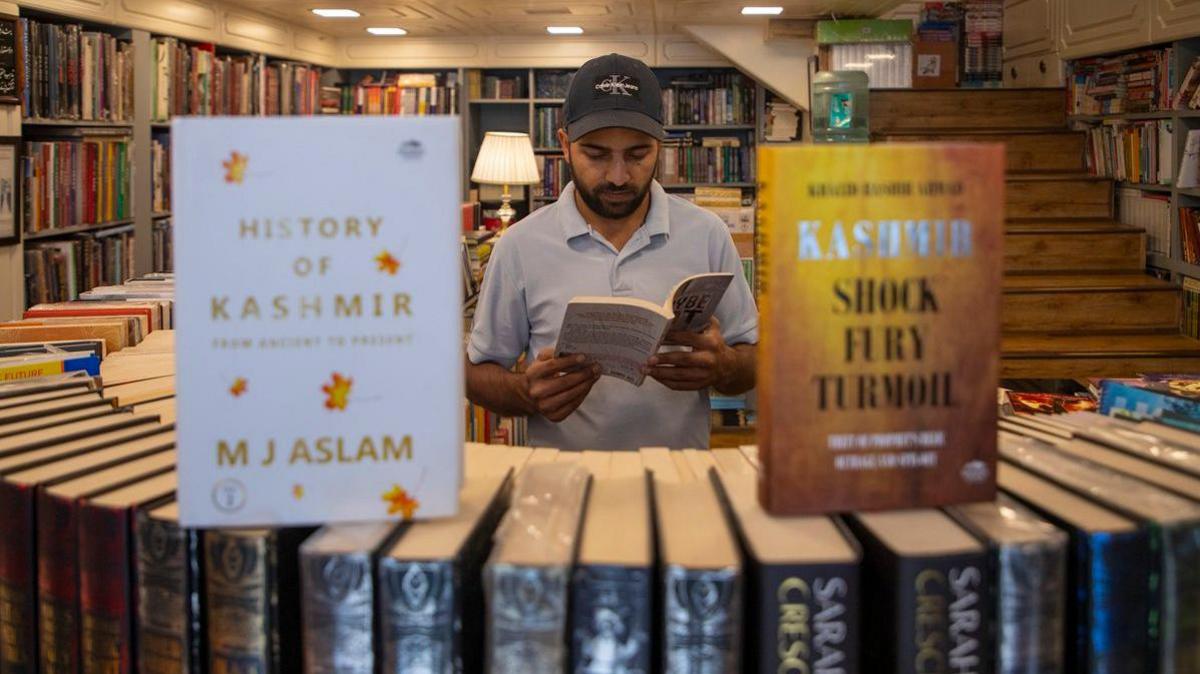
The order follows a recent row over two government libraries’ selections. Those books, featuring profiles of separatist leaders, were withdrawn amid claims they glowed with anti‑national sentiment. Police subsequently raided bookstores in Srinagar, seizing hundreds of titles, and arrested three publishers.
The move is portrayed as a safeguard against extremist propaganda but critics say it is a curtailment of academic freedom. Scholars argue the ban would eradicate unverified narratives about the region’s complex history and the grievances of its people. It is also seen as a reflection of the central government’s tightening grip after revoking Jammu and Kashmir’s semi‑autonomous status in 2019.
Legal experts note that the ban contravenes India’s constitutional guarantee of free speech. The government has defended the directive, claiming it merely removes content that could inflame public sentiment and threaten national security. An opposition spokesperson stated that the action was aimed at preventing “glorification of separatists under the guise of academic freedom.”
The ban of 25 books last year, including works by Arundhati Roy and A. G. Noorani, remains under judicial review. The current order could further complicate legal proceedings and ignite another confrontation between the state and those who advocate for open historical discourse.